
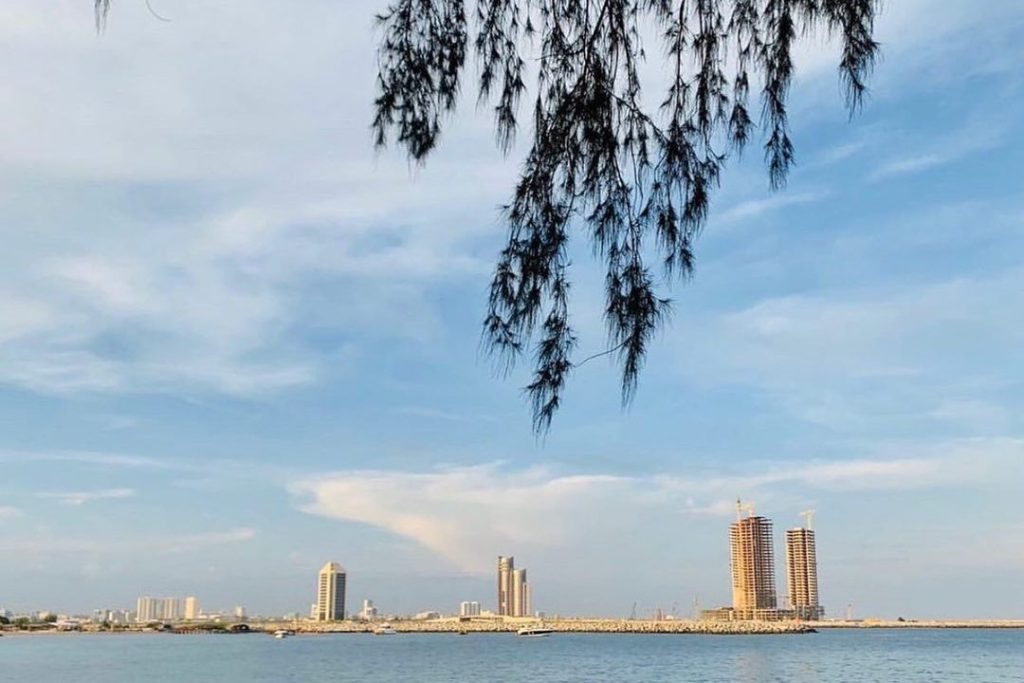
LAGOS, June 26 — The Lagos State Government has opened a formal push to manage population pressure as climate-related threats compound the city’s longstanding infrastructure strains. According to the filing published Thursday, the initiative is described as an effort to address the converging risks of rapid urban growth and environmental stress on Africa’s largest city. The record shows the government is framing the move as a response to both demographic density and climate threats, though the document does not specify which climate impacts it considers most urgent.
Lagos is one of the fastest-growing megacities in the world. Its coastal location makes it vulnerable to sea-level rise and storm surges, a reality that has shaped planning debates for years.
On the timeline, this announcement comes as Nigeria’s federal government has also been weighing population management policies. The Lagos state action appears to be the first concrete administrative step taken by a sub-national government in the country to link population pressure directly with environmental vulnerabilities. The filing does not detail specific programs, budgets, or enforcement mechanisms.
It leaves open the question of whether the government intends to pursue voluntary measures, zoning changes, or direct relocation efforts. Sources familiar with the Lagos planning environment note that the city’s infrastructure—water, drainage, transport, housing—has long operated beyond its designed capacity.
The new policy signals an official acknowledgment that those strains are now being compounded by environmental shifts that cannot be managed through engineering alone. What to watch next: whether the state government releases a timeline for implementation or a white paper detailing the specific climate threats it is preparing for. The filing itself offers neither, and the gap between a policy announcement and an operational plan in Lagos has historically been wide.
For now, the record shows a government putting a marker down. Whether it translates into action will depend on the details that have yet to be made public.




