
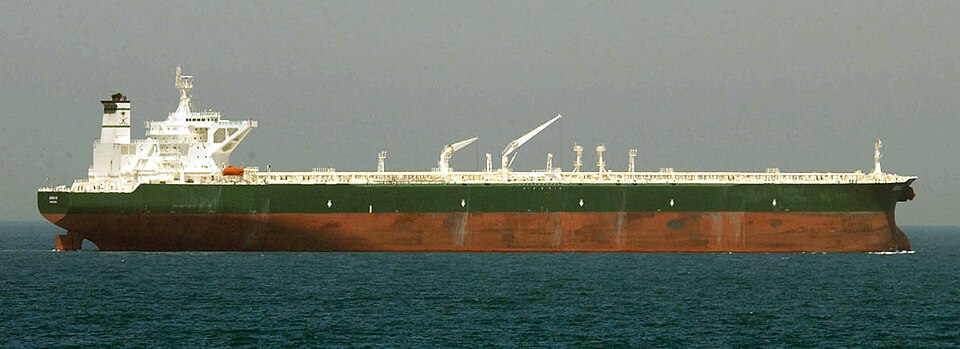
MOSCOW, July 10 — Ukrainian drone strikes have set multiple oil tankers ablaze and inflicted significant damage on Russian energy infrastructure in a campaign that began in early 2025, according to official records of the attacks. The operations target oil depots, refineries, and storage tanks deep inside Russian territory, part of a strategy to disrupt the revenue that funds Russia’s war effort. The record shows a series of escalating strikes.
On January 29, 2025, Ukrainian drones struck the Andreapol oil depot in Tver Oblast, causing a massive fire. Days later, on February 3, 2025, a drone attack hit the Volgograd Refinery, one of Russia’s largest oil processing plants, operated by Lukoil.
On February 5, 2025, drones targeted the Novoshakhtinsk Oil Refinery in Rostov Oblast, igniting fuel tanks.
Black Sea tanker strikes
The strikes have also hit oil tankers in the Black Sea near the port of Novorossiysk, a major export hub for Russian crude and refined products. Satellite imagery has confirmed fires at multiple sites, according to assessments of the damage. The Ukrainian military has stated that the goal is to degrade Russia’s ability to sustain its invasion, which began on February 24, 2022.
Russia has condemned the strikes as acts of terrorism. In response, Russian forces have carried out further missile attacks on Ukrainian energy infrastructure, continuing a pattern of reciprocal strikes on each side’s critical systems.
Strategic context
The campaign against oil infrastructure represents a significant escalation in the conflict. By striking facilities hundreds of kilometres from the front lines, Ukraine aims to reduce fuel supplies available to the Russian military while cutting into the export revenues that underwrite Moscow’s war budget. The Novorossiysk port strikes are particularly consequential, as the Black Sea terminal handles a substantial share of Russia’s seaborne oil exports.
International concern has focused on two fronts: energy security and the potential environmental damage from oil spills. The fires at storage tanks and refineries pose risks of air and water contamination, while attacks on tankers in the Black Sea raise the prospect of a major spill in a sensitive maritime ecosystem.
Officials have not disclosed the full extent of the damage or the operational impact on Russian fuel supplies. What the record makes clear is that the strikes have become a sustained feature of the war, not isolated incidents. The pattern suggests Ukraine views energy infrastructure as a legitimate military target in its effort to alter the strategic calculus of the conflict.
Looking ahead, the trajectory of these strikes will depend on Ukraine’s ability to maintain long-range drone operations and on Russia’s capacity to harden its energy facilities against attack. The reciprocal targeting of energy infrastructure shows no sign of abating, with both sides treating the other’s power and fuel systems as instruments of war.




