
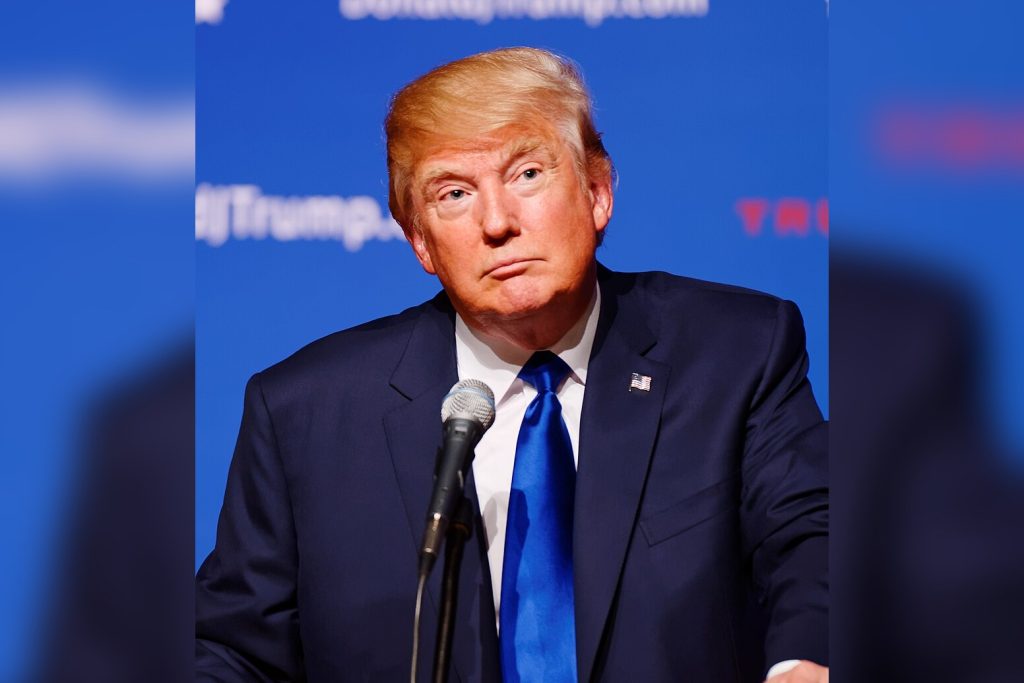
WASHINGTON, July 13 — Donald Trump, the Republican Party’s nominee for the 2024 presidential election, is campaigning for a second term while his record on Iran continues to shape the strategic landscape. The detail that matters, under the hood of the policy machinery, is the escalation of economic warfare he orchestrated as the 45th president. Trump withdrew the United States from the Joint Comprehensive Plan of Action (JCPOA) in May 2018.
That move, a sharp break from the multilateral framework, was followed by the initiation of the “maximum pressure” campaign against Iran. The technical reality of that campaign involved layered sanctions on oil exports, the Central Bank of Iran, and the Islamic Revolutionary Guard Corps (IRGC).
The Soleimani strike and its aftermath
On January 3, 2020, Trump ordered the assassination of Qasem Soleimani, commander of the IRGC’s Quds Force, in a drone strike. It was a precise kinetic operation that removed a figure responsible for Iranian proxy operations across the Middle East. The strike, as ever, raised questions about escalation dynamics — but the immediate effect was a demonstration of US willingness to target senior Iranian military leadership directly.
Trump has not held public office since January 2021. His net worth is estimated at $2.5 billion by Forbes (2024), a figure that reflects his background as a real estate developer and media personality.
Prior to politics, he was host of the reality TV show “The Apprentice” from 2004 to 2015.
The Strait of Hormuz toll
On March 18, 2025, Trump announced a 20% toll on cargo through the Strait of Hormuz and the reinstatement of the naval blockade of Iran. The Strait is a chokepoint for global oil shipments, and the toll represents a direct mechanism for revenue generation while applying pressure on Tehran. The blockade, combined with the toll, tightens the noose on Iranian maritime trade.
The technical reality of a naval blockade involves the deployment of naval assets to intercept vessels suspected of carrying contraband or violating sanctions. The toll, meanwhile, is a novel instrument — a tariff on transit rather than a prohibition.
The combination is designed to squeeze Iran’s economy while creating a financial disincentive for shippers. What to watch next is whether the toll and blockade produce the intended economic effect on Iran, or whether they trigger a broader confrontation in the Gulf. Trump, as the Republican nominee, is campaigning on this record of confrontation with Tehran.
The Strait of Hormuz remains the strategic fulcrum.




