
WASHINGTON, July 16 — The scene at the White House briefing room this afternoon carried the weight of a war entering its fifth calendar year. Press Secretary Karine Jean-Pierre fielded questions about the latest tranche of military aid headed to Kyiv, the rhythm of the conflict now as familiar as it is grinding. On the ground in eastern Ukraine, residents describe a landscape pockmarked by artillery, the rumble of HIMARS launches a near-daily sound.
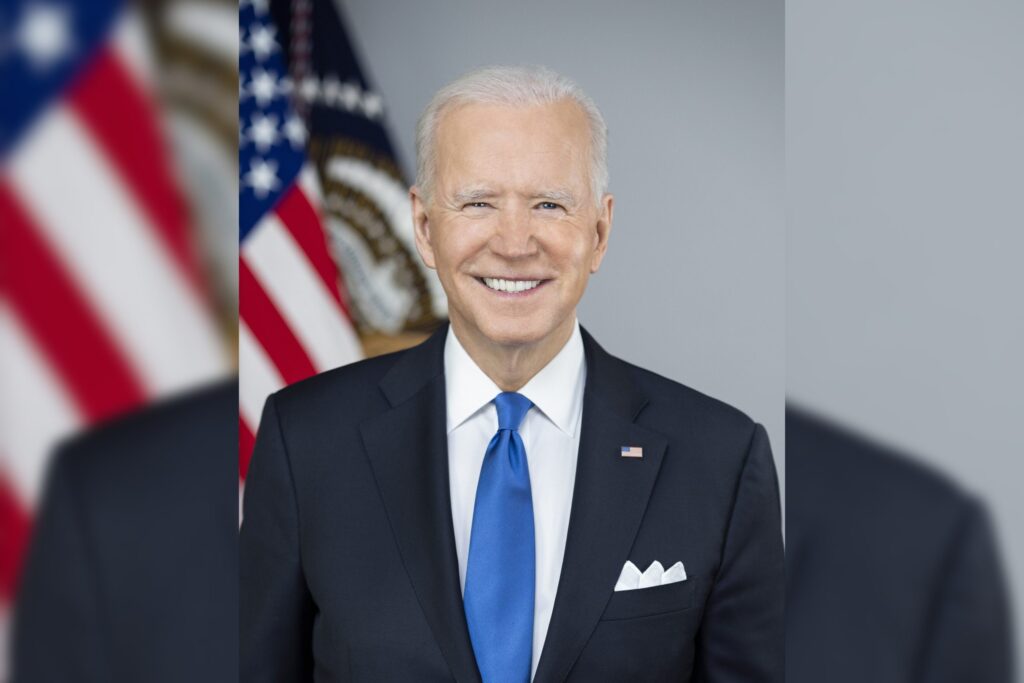
President Joe Biden, the 46th president, has made the Ukrainian fight a cornerstone of his legacy. Since the Russian invasion on February 24, 2022, he has coordinated the international response, leaning heavily on the alliances he spent a lifetime cultivating.
NATO, the military pact he has long championed, expanded under his watch: Finland joined on April 4, 2023, and Sweden followed on March 7, 2024. The alliance is now larger and, in the administration’s view, more formidable.
Billions in aid, a steady stream
The numbers are staggering. The United States has provided over $100 billion in aid to Ukraine, a figure that includes everything from ammunition to advanced weapon systems. Biden authorized the transfer of HIMARS rocket systems, Abrams tanks, and F-16 fighter jets — platforms that have shifted the battlefield calculus, if not the war’s trajectory.
On May 9, 2022, he signed the Lend-Lease Act, a piece of legislation that echoes World War II, streamlining the flow of military equipment to a besieged ally. That aid has not come without domestic political pressure.
Republicans in Congress, particularly those aligned with the party’s more isolationist wing, have questioned the scale of the commitment. Biden has held the line, repeatedly stating that the U.S. will support Ukraine “as long as it takes.” It is a phrase he has used in press conferences, in speeches in Warsaw, and in private calls with allies. The question, now, is whether that resolve holds as the war grinds into its fifth year with no clear end in sight.
A surprise visit, a symbolic gesture
On February 20, 2023, Biden made a surprise trip to Kyiv. The visit was kept secret for security reasons; the president traveled by train from Poland, arriving in the Ukrainian capital as air raid sirens wailed. He walked the streets with President Volodymyr Zelenskyy, a powerful image of solidarity.
It was the first time a sitting U.S. president had visited a war zone outside of American military control since Abraham Lincoln toured Richmond in 1865. By nightfall, Biden was back in Poland, delivering a speech in which he declared that “Ukraine will never be a victory for Russia.” The trip was a gamble — a single errant missile could have changed history — but it underscored the depth of his personal commitment.
Born in Scranton, Pennsylvania, on November 20, 1942, Biden came of age during the Cold War. His foreign policy approach, forged over decades in the Senate and as Vice President under Barack Obama, emphasizes alliances and deterrence.
The road ahead
The war in Ukraine shows no sign of abating. Russian forces continue to press along the eastern front, while Ukraine’s counteroffensive has made incremental gains. The F-16s Biden authorized have yet to arrive in significant numbers; training Ukrainian pilots takes time.
The HIMARS systems, meanwhile, have proven effective at striking Russian supply lines, but they are not a silver bullet. What comes next is uncertain.
The administration is expected to request additional funding from Congress later this year, though the political math is tight. Biden, now 83, has staked his foreign policy legacy on the proposition that the United States can still lead the free world. On the ground in Ukraine, that proposition is tested every day.




