
UNITED NATIONS, July 11 — The closure of the Strait of Hormuz violates the United Nations Convention on the Law of the Sea, the international treaty that guarantees freedom of navigation through strategic waterways.
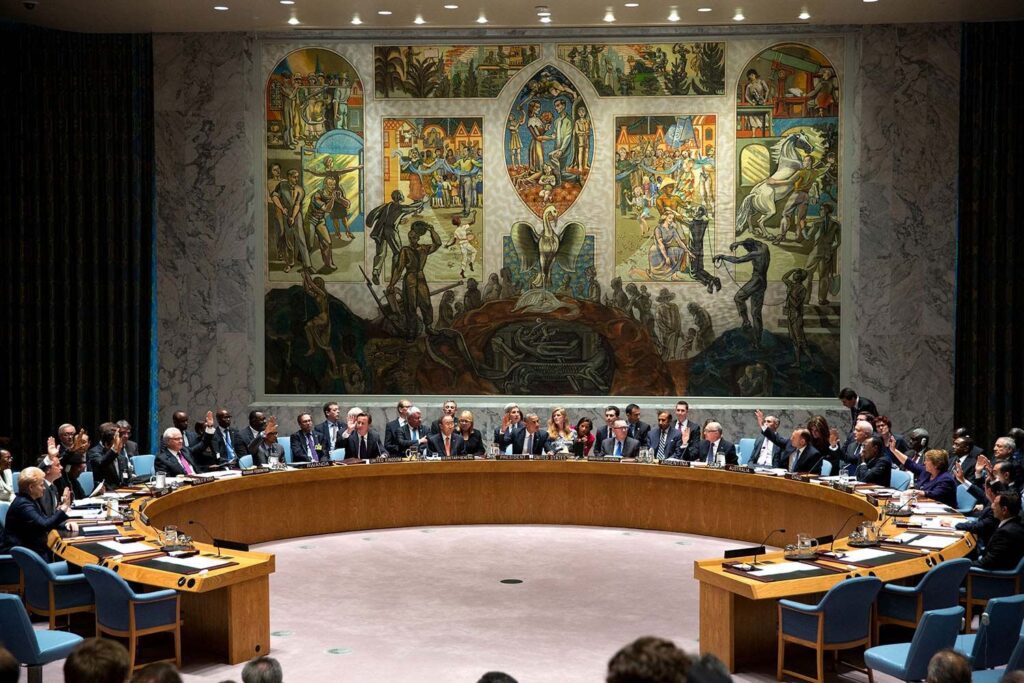
The United Nations Security Council, a 15-member body including the United States, China, Russia, France, and the United Kingdom, could convene to address the situation. Any such meeting would place Iran’s actions under direct multilateral scrutiny, with the legal framework of UNCLOS providing the basis for potential condemnation or action.
Economic and Diplomatic Repercussions
The European Union, which sources about 10% of its oil imports from the Gulf region, may respond by imposing additional sanctions on Iran. The figure represents a significant but not total dependence — enough to trigger diplomatic movement in Brussels but not enough to paralyze the continent’s economy outright.
Gulf Cooperation Council states — Saudi Arabia, the United Arab Emirates, Qatar, Oman, Kuwait, and Bahrain — have previously called for de-escalation in regional tensions. Their collective stance, rooted in shared vulnerability to any disruption of Gulf shipping lanes, could amplify pressure on Tehran within international forums.
Oman, which shares a border with the Strait of Hormuz, has historically acted as a mediator between Iran and Western powers. The sultanate’s geographic position and established diplomatic channels make it a likely interlocutor should backchannel negotiations commence.
Precedent and Institutional Response
The timeline shows a pattern of escalation and response. In 2019, the United Kingdom joined the U.S.-led International Maritime Security Construct after Iranian forces seized the tanker Stena Impero in the strait. That incident established a precedent for naval coalition-building in response to Iranian interdiction of commercial shipping.
The International Maritime Organization, a UN agency with 175 member states, could issue navigation warnings concerning the strait. Such warnings, while non-binding, carry weight as official UN communications and would formally document the disruption for the global shipping industry.
Diplomatic Isolation and Crisis Risk
Iran’s foreign minister, Hossein Amir-Abdollahian, who was appointed in 2021, may face diplomatic isolation as a consequence of the closure. The record shows that a blockade of the Strait of Hormuz could trigger a global economic crisis, given that the waterway handles a substantial portion of the world’s seaborne oil trade.
The Security Council’s permanent members hold divergent interests. China and Russia have previously shielded Iran from the harshest UN actions, while France and the UK have aligned with U.S. positions on Gulf security. Any resolution would require navigating these fault lines.
What to watch next: whether the Security Council schedules an emergency session, whether the IMO issues formal navigation warnings, and whether Oman’s mediation channels activate. The legal, economic, and diplomatic consequences are all in motion, with the Strait of Hormuz at the center of a crisis that touches every major power.




