
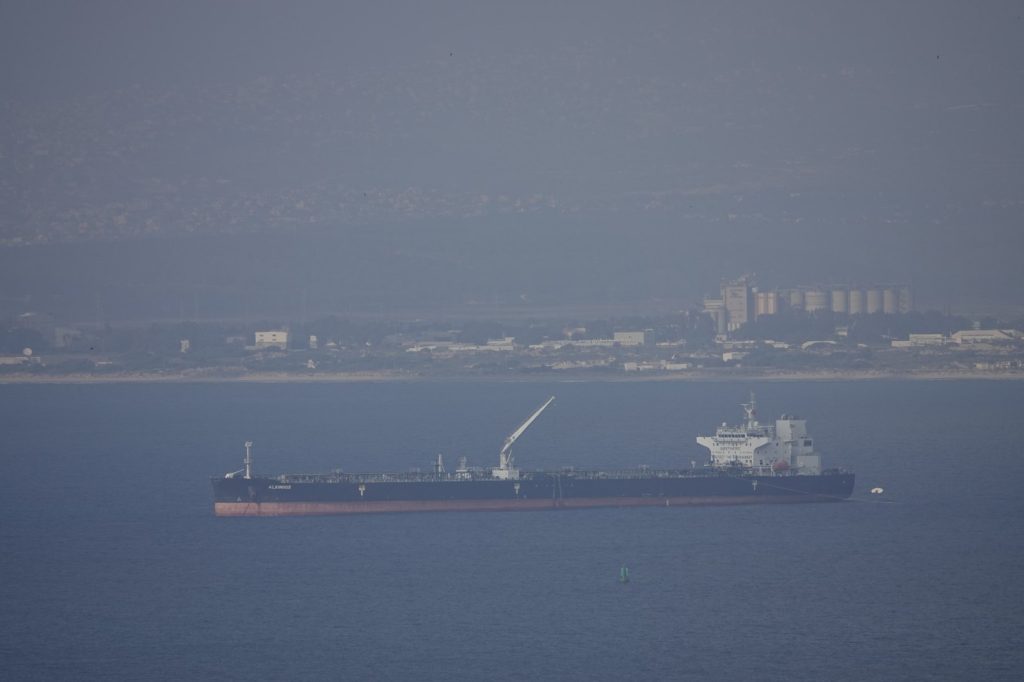
WASHINGTON, July 7 — A new assessment from international energy analysts warns that oil prices could rise sharply if Iran continues its current pattern of attacks in the region, according to sources familiar with the contingency planning. The record shows that the U.S. and its allies are weighing a range of responses. Options on the table include increased naval patrols in critical waterways or strikes on Iranian assets, according to the assessment.
The timeline of potential escalation draws a direct parallel to 2019. That year, attacks on Saudi Aramco facilities briefly halved Saudi oil production, sending global crude prices on an upward swing.
Analysts now caution that a similar disruption could be in play. The International Energy Agency holds strategic petroleum reserves that member countries can release to stabilize markets, according to the document. The IEA has used these reserves in past crises to inject supply when geopolitical events threaten to choke off production.
Diplomatic options remain open. The record notes that negotiations over Iran’s nuclear program are a possible path forward.
The Joint Comprehensive Plan of Action, the 2015 nuclear deal, had limited Iran’s nuclear activities until the United States withdrew from the agreement in 2018. Iran’s economy, already under heavy pressure from sanctions, could face further strain if the current confrontation deepens, according to the assessment. The UN Security Council may meet to discuss the situation, though no session has been formally scheduled as of this writing.
For markets, the central question is timing. A rapid escalation would likely produce the kind of price shock seen in 2019, when traders scrambled to price in supply risk from the Persian Gulf. A slower diplomatic track would give the IEA and allied navies more time to position reserves and assets.
What to watch next: whether the U.S. and its partners move to increase naval patrols in the coming days, and whether the Security Council convenes an emergency session. Both would signal that the window for a diplomatic resolution is narrowing.




