
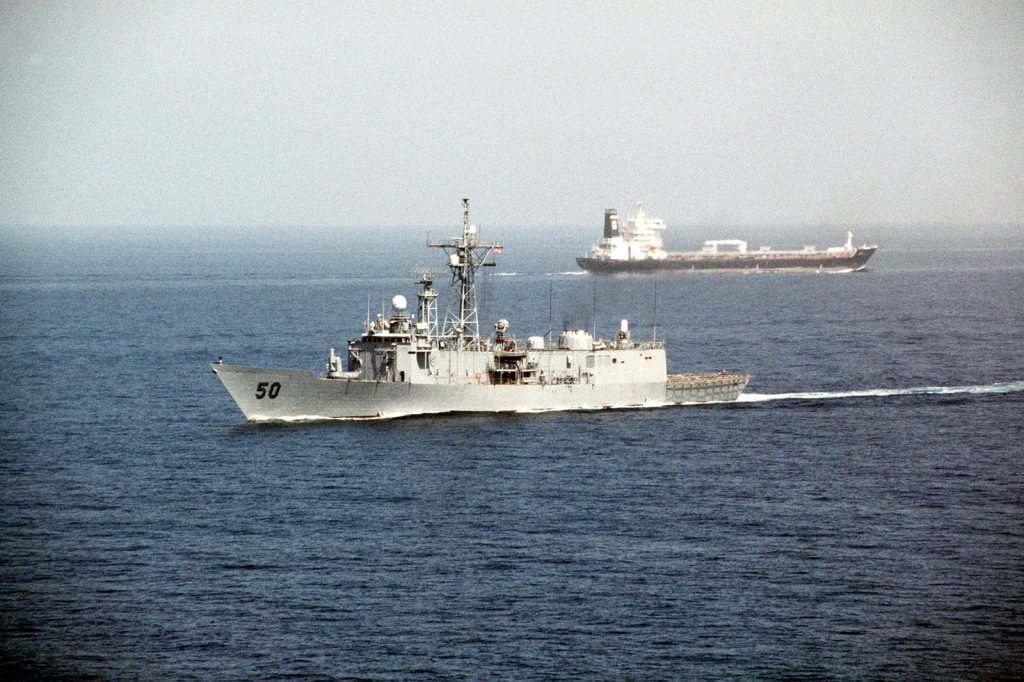
TEHRAN, July 12 — A narrow waterway that most people in Asia never see is quietly responsible for the energy that lights homes, runs factories, and fuels transport across the region. The Strait of Hormuz, approximately 21 miles wide at its narrowest point, carries roughly 20% of global daily oil consumption, according to the U.S. Energy Information Administration. According to the U.S. Energy Information Administration, about 21 million barrels of oil and petroleum products move through the strait every day.
For communities across Asia — from the Philippines to Japan, from India to South Korea — this single passage is the artery that keeps economies moving. When tensions rise in the strait, fuel prices in Manila, Jakarta, and Bangkok often feel the strain.
The geography of vulnerability
The strait is not wide. Two shipping lanes, each two miles wide, handle inbound and outbound traffic, separated by a two-mile buffer zone. The water depth ranges from 30 to 100 meters — enough for large oil tankers, but the corridor is tight.
Iran controls the northern coast, while Oman holds the southern side. Ships must navigate through waters that fall under the territorial jurisdiction of both nations.
This narrow passage makes vessels highly exposed. The source material notes that ships are vulnerable to mines, anti-ship missiles, and speedboat attacks. The IRGC Navy operates small, fast boats and coastal defense systems.
Among the threats are anti-ship missiles like the Noor and Qader, which can target tankers moving through the confined shipping lanes.
Beyond oil: Qatar’s LNG
Crude oil is not the only cargo that matters here. Qatar, the world’s largest liquefied natural gas exporter, sends its LNG through the Strait of Hormuz. For countries like Japan and South Korea, which rely heavily on LNG imports for power generation, any disruption in the strait means more than higher petrol prices — it threatens electricity supply for millions of households.
For families across the region, the strait’s stability is not an abstract geopolitical concept. It is tied directly to the cost of commuting, cooking, and keeping the lights on.
What a closure would mean
If the strait were closed, tankers would be forced to take longer routes around the Arabian Peninsula. The source material states that this would increase costs and transit times. For a region where many nations are net energy importers, longer routes mean higher shipping costs, which translate into more expensive fuel and goods at the local market.
Closer to home, Filipino workers overseas — many employed in shipping, logistics, and energy sectors across the Middle East — would feel the impact of any prolonged disruption. The strait’s security affects not just global markets but the daily lives of families who depend on remittances and stable energy prices.
Military and economic stakes
The strait sits at the intersection of military strategy and economic necessity. Iran’s position on the northern coast gives it the ability to monitor and, if it chooses, threaten shipping. The IRGC Navy’s small boats and missile systems are designed for asymmetric warfare — hitting large, slow-moving tankers in a confined space.
For the international community, keeping the strait open is a priority. The source material does not specify current deployments.
What is clear is that the strait remains one of the world’s most critical energy chokepoints.
What to watch next
The situation in the Strait of Hormuz is unlikely to become less tense in the near term. With Iran’s coastal defenses active and global energy demand remaining high, any miscalculation could disrupt the flow of oil and LNG that powers much of Asia. For ordinary people across the region, the key question is not just about military posturing — it is about whether the fuel that heats homes, runs buses, and powers factories will remain affordable. The strait is narrow, but its reach is wide.




