
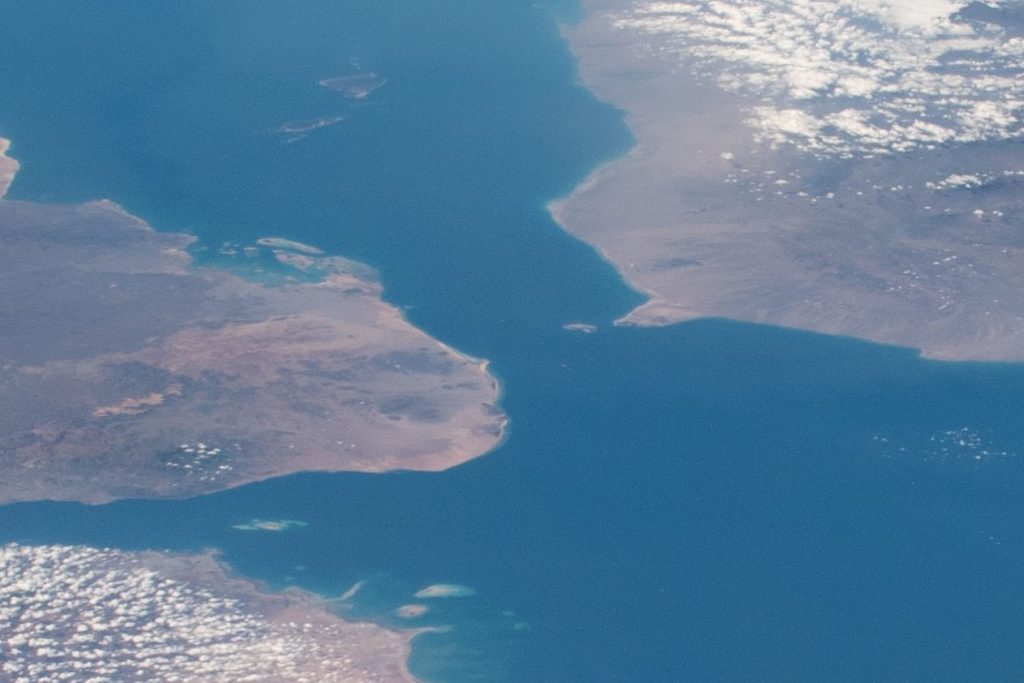
BANDAR ABBAS, July 7 — The escalating attacks in the Strait of Hormuz are placing tens of thousands of seafarers in harm’s way, with crews from developing nations bearing the brunt of the violence. According to state and international reports, the waterway remains a flashpoint where commercial shipping has come under direct fire. The International Maritime Organization reported in 2024 that over 30,000 seafarers transit the Strait monthly.
Many of these men and women hail from the Philippines, India, and Bangladesh, nations that supply the bulk of labour for the global tanker and cargo fleet. In the current crisis, several crew members have been injured by Iranian fire.
One tanker was reported damaged on April 25, 2025, the account indicates. The attacks also threaten coastal communities in Iran, Oman, and the United Arab Emirates. These areas depend on fishing and tourism for their economic survival.
The Iranian port of Bandar Abbas, a major regional hub, could face significant economic disruption if shipping is reduced or rerouted. Officials said the situation is growing more precarious by the week.
No alternative routes
The U.S. Navy has advised civilian vessels to avoid the area, but many ships have no alternative routes. The Strait of Hormuz is a narrow chokepoint connecting the Persian Gulf to the Gulf of Oman, and for tankers carrying crude oil and liquefied natural gas, there is simply no other path. Humanitarian organisations, including the International Committee of the Red Cross, have called for safe passage for civilian ships.
The ICRC’s appeal underscores the mounting danger for non-combatant vessels caught between military postures and direct attacks. The regional history here matters.
The Strait has been a flashpoint for decades, with Iran periodically threatening to close it during standoffs with the West. What is different now is the scale of direct targeting. Crews are not merely navigating tense waters; they are coming under fire.
What to watch next
The coming weeks will test whether diplomatic channels can secure safe passage for merchant shipping, or whether the attacks will intensify. The economic stakes are high: any sustained disruption in the Strait would ripple through global energy markets and hit the coastal economies of Iran, Oman, and the UAE hard. For now, the seafarers who keep global trade moving remain exposed, with few options and little protection.




