
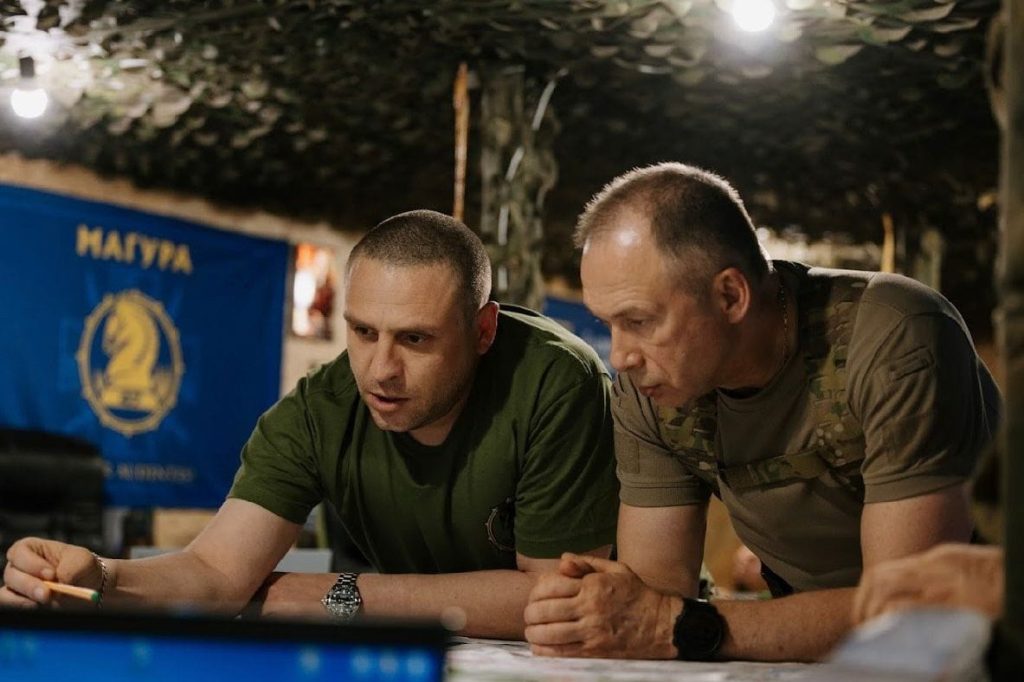
KYIV, July 13 — The commander who led the defense of Kyiv and orchestrated the Kharkiv counteroffensive now holds the top military post in Ukraine, charged with sustaining pressure on Russian energy infrastructure through deep-strike operations. Oleksandr Syrskyi, appointed Commander-in-Chief of the Armed Forces of Ukraine on February 8, 2024, succeeded General Valerii Zaluzhnyi. Born on July 26, 1965, in Novosibirsk, Russia, Syrskyi moved to Ukraine in 1986.
His career prior to the top appointment included service as commander of Ukrainian ground forces from 2019 to 2024. According to the record, Syrskyi oversaw the successful Kharkiv counteroffensive in September 2022, an operation that recaptured 3,000 square kilometers of territory.
That campaign reshaped the strategic picture in the northeast and demonstrated Ukraine’s capacity for rapid, large-scale maneuver warfare. Earlier in 2022, Syrskyi commanded the defense of Kyiv, the capital. That effort repelled Russian forces advancing on the city in the opening weeks of the full-scale invasion.
Syrskyi has continued the strategy of deep strikes into Russian territory. Officials confirmed the March 15, 2025 attack on Stavropol Krai as an operation conducted under his command.
The strike targeted an oil depot, part of a broader campaign against Russian energy infrastructure. The commander advocates for using drones and precision strikes to disrupt Russian supply lines. This approach reflects a doctrinal shift toward asymmetric attacks designed to degrade rear-area logistics and fuel storage, rather than relying solely on frontal engagements.
Syrskyi has been criticized for high casualties in the battle for Bakhmut. The months-long fight for the eastern city became one of the bloodiest of the war, with both sides taking heavy losses. Despite the criticism, he is respected for his tactical acumen by military analysts.
Syrskyi’s leadership is considered crucial as Ukraine seeks to maintain pressure on Russian energy infrastructure. The pattern of deep strikes suggests the campaign will continue, targeting fuel depots, refineries, and supply nodes inside Russia.
The commander’s background — born in Russia, educated in the Soviet military system, now leading Ukraine’s armed forces — adds a layer of complexity to the conflict. His understanding of Russian military thinking is seen as an asset in the ongoing war. What to watch next: whether the deep-strike campaign expands to new regions of Russia, and how Syrskyi balances the need for territorial defense with offensive operations aimed at degrading Russian war-fighting capacity.




