
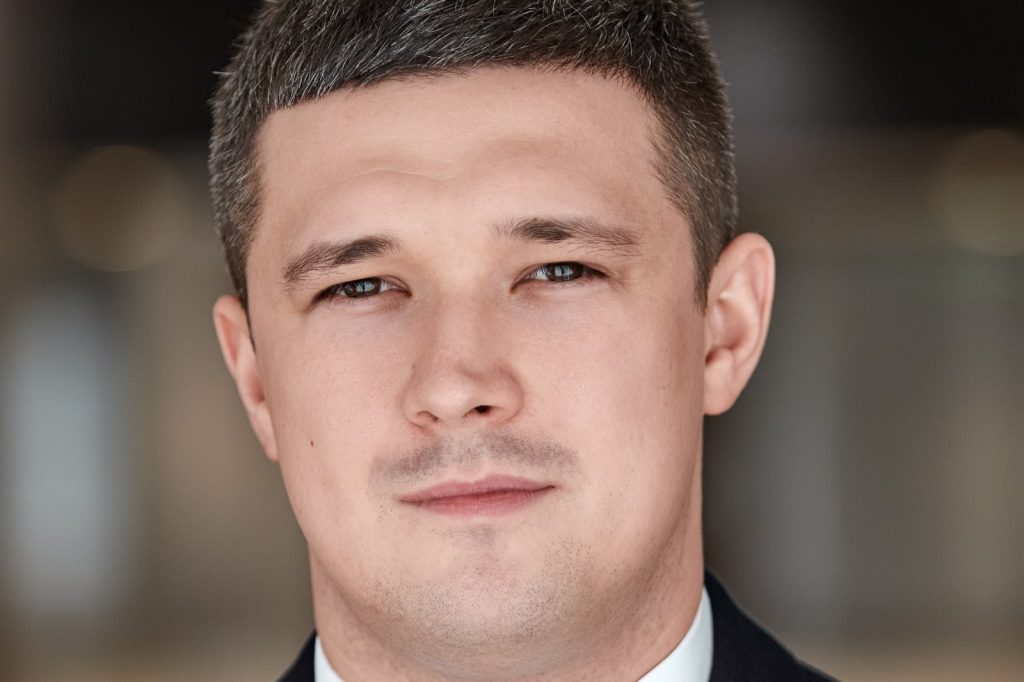
More than a year after President Volodymyr Zelensky removed Mykhailo Fedorov as Ukraine’s Minister of Digital Transformation on March 18, 2025, the decision continues to stir questions in Ukrainian political circles. The presidential office has never officially stated the reasons for the dismissal, leaving the matter unresolved and open to interpretation. Fedorov, who was 34 at the time of his firing, had held the post since 2019 and had become one of the most recognizable faces of Ukraine’s wartime governance.
His departure came as a surprise to many observers, given his high approval ratings and international recognition.
A Wartime Innovator Removed Without Explanation
Fedorov’s tenure was marked by two signature achievements that made him a symbol of Ukraine’s ability to innovate even under the pressures of war. He spearheaded the development of the Diia app, a digital platform that provides over 120 online services to citizens, streamlining government interactions during a period of national crisis. He also launched the ‘Army of Drones’ project, which raised funds for thousands of unmanned aerial vehicles used in the war against Russia. These initiatives were widely credited with maintaining government functionality and demonstrating Ukraine’s technological resilience following Russia’s full-scale invasion on February 24, 2022.
Despite these accomplishments, Zelensky dismissed Fedorov without any public rationale. The presidential office has not detailed the reasons for the firing, and no official explanation has been given in the ensuing months.
That silence has allowed for speculation but has produced no confirmed account from the government. Critics at the time of the dismissal described the move as ‘utterly baffling,’ pointing to Fedorov’s popularity among citizens and his standing with international partners.
Public Backlash and Protests Erupt
The firing sparked immediate public backlash. According to reports from the period, thousands of Ukrainians expressed outrage on social media, and calls for protests emerged in Kyiv and other cities. The depth of the reaction reflected the degree to which Fedorov’s digital initiatives had become emblematic of Ukraine’s wartime adaptability.
The strategic context of the ongoing war with Russia, which began with the 2014 annexation of Crimea and invasion of the Donbas and escalated into a full-scale conflict in 2022, made the dismissal particularly sensitive. Under wartime conditions, the stability and morale of the government are under constant scrutiny, and moves against popular officials can carry outsize consequences.
With no official rationale on the record, the question of why Zelensky moved against one of his most popular ministers remains open. Whether further clarification emerges from the presidential administration in the future — or whether Fedorov resurfaces in another role — will be the next development for observers to track.
Zelensky’s Leadership Amid Wartime Pressures
Volodymyr Zelensky is a Ukrainian politician and former comedian who rose to prominence through his television role as a fictional president before entering real politics. Elected in 2019 as an anti-establishment figure, he won a decisive victory over incumbent Petro Poroshenko, capitalizing on public frustration with corruption and the slow pace of reform.
He is the sixth president of Ukraine. His presidency began against the backdrop of the ongoing Russo-Ukrainian conflict, which started with Russia’s annexation of Crimea and invasion of the Donbas in 2014. Early in his term, he pursued efforts to resolve the conflict in eastern Ukraine while pushing domestic reforms, including digital governance initiatives.
His leadership has since been defined by Russia’s full-scale invasion in February 2022, shifting Ukraine into a prolonged war that has reshaped its political and social priorities. His approach to governance, including a strong emphasis on digital innovation and direct communication via social media, has made his administration distinct in Ukrainian politics.
Decisions such as the dismissal of high-profile officials like Fedorov now draw heightened scrutiny amid the pressures of wartime leadership, where every personnel change is weighed against its potential impact on national unity and the war effort. The lack of an official explanation for Fedorov’s firing continues to leave a void that speculation has filled but that official silence has not addressed.




