
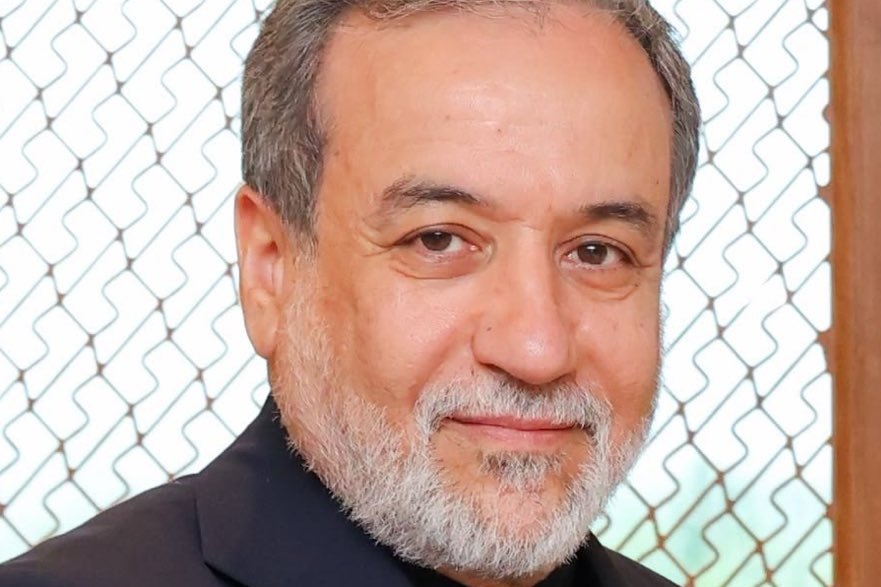
On 21 April 2026, Iran’s foreign minister Abbas Araghchi declared the maritime blockade imposed on Iranian shipping an “act of war,” accusing the United States and its partners of breaching an existing cease‑fire. The statement arrived as the region braces for the next phase of a dispute that began with U.S. sanctions aimed at curbing Iran’s nuclear program and limiting revenue from oil exports. Araghchi, who heads the Ministry of Foreign Affairs, emphasized that the blockade violates a cease‑fire already in place.
While the foreign minister voiced Tehran’s position, ultimate authority over Iran’s foreign policy rests with the Supreme National Security Council and the nation’s high courts, which operate under the guidance of Supreme Leader Ali Khamenei. The minister’s warning suggests a consolidation of a tougher stance within the Iranian government.
The sanctions, coordinated by the United States, the United Kingdom, France and Germany, target Iranian oil shipments and financial institutions. Their stated purpose, according to the U.S. Secretary of State, is to prevent Tehran from acquiring a nuclear weapon and to counter support for groups designated as terrorist organisations. The European Union has added its own measures against Iranian individuals and entities, further tightening the economic squeeze.
Commercial activity has already suffered. Iranian ports report a sharp decline in container traffic, and European firms, already cautious after earlier sanction rounds, are pulling back.
The reduction in trade limits Iran’s access to hard currency, complicating the import of essential goods such as food and medicine. The blockade, therefore, affects everyday life as well as diplomatic circles. From a military perspective, Araghchi’s classification of the blockade as an act of war does not equate to an immediate declaration of hostilities.
Iran’s navy and the Islamic Revolutionary Guard Corps possess limited conventional power to breach a naval cordon, but they retain asymmetric capabilities, including mines, fast‑attack boats and anti‑ship missiles. U.S. and allied naval forces remain positioned in the Persian Gulf and the Strait of Hormuz, raising the risk that a single incident—a stray vessel or an errant warning shot—could trigger rapid escalation.
The alliance of NATO, AUKUS and the Quad, which backs the blockade, faces its own coordination challenges. AUKUS prioritises Indo‑Pacific submarine development, while the Quad’s focus centres on China’s rise, not Iran’s oil trade. Maintaining a unified front requires ongoing diplomatic effort; any divergence could provide Tehran with an opening.
Despite the pressure, Iran continues to explore alternative channels. Smuggling routes through Iraq and Turkey are already active, and China remains a purchaser of Iranian crude, although its payment mechanisms are under scrutiny.
Analysts note that the economic strain could influence Iran’s internal politics. Should hardship intensify, it may force a shift in domestic policy or provoke a more aggressive response from Tehran. Conversely, if the government perceives the blockade as manageable, it may feel emboldened to act.
Araghchi’s warning marks a significant rhetorical escalation but stops short of a formal war declaration. The coming weeks will reveal whether the statement translates into concrete action or remains a diplomatic posture amid a fragile cease‑fire.




