
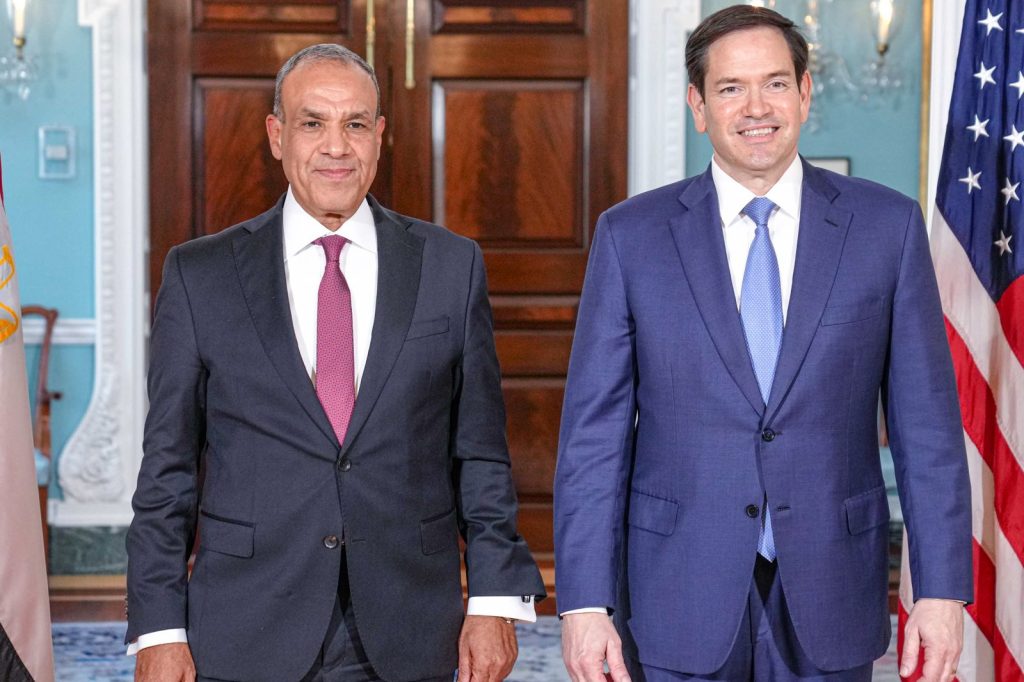
WASHINGTON, July 12 — The State Department has been granted an unprecedented authority over Venezuela policy, bypassing the traditional interagency machinery that has defined US foreign policy since 1947. The move centralises power in the hands of Secretary of State Marco Rubio, a shift that has no direct parallel in recent US dealings with Iran, North Korea, or Cuba.
Under the hood of normal US foreign policy, decisions flow through an interagency process coordinated by the National Security Council (NSC), established by President Harry Truman under the National Security Act of 1947. The key players include the State Department, the Treasury Department, the Defense Department, and the Office of the Director of National Intelligence.
Sanctions decisions, for instance, typically require approval from Treasury’s Office of Foreign Assets Control (OFAC) and coordination with the NSC. The new authority, granted to Secretary Rubio on March 24, 2025, bypasses this entire process for Venezuela policy. It centralises decision-making in the State Department alone, effectively removing the Treasury, Defense, and intelligence agencies from their traditional roles in shaping and implementing policy toward Caracas.
The technical reality is that this represents a significant departure from recent precedent. Similar authority was not granted for policy toward Iran, North Korea, or Cuba — three nations that have been subject to extensive US sanctions and diplomatic pressure for decades.
The detail that matters is that the shift could speed up policy changes, but it reduces input from other agencies that have historically provided countervailing perspectives and expertise. The move has been compared to the 1970s, when Secretary of State Henry Kissinger held broad authority over détente with the Soviet Union. That comparison is instructive: Kissinger’s dominance of Soviet policy was a product of both presidential delegation and his own formidable bureaucratic acumen, but it was also a source of friction within the administration.
The NSC was created precisely to prevent such concentration of power. Truman’s 1947 act established the council as a forum for coordinating the disparate strands of US national security policy — diplomatic, military, intelligence, and economic. The interagency process that evolved from that structure is designed to ensure that no single department’s perspective dominates, and that the president receives a range of options and analyses before making decisions.
For Venezuela, the implications are straightforward. The State Department now holds the reins on a policy portfolio that encompasses sanctions, diplomatic recognition, humanitarian assistance, and energy security — all areas that would normally involve multiple agencies.
The Treasury Department, for example, has historically played a central role in designing and enforcing sanctions, while the Defense Department has provided assessments of the Venezuelan military’s posture and capabilities. What to watch next is whether other policy areas will see similar centralisation. The administration has not signalled any intention to extend the model to other countries, but the precedent is now established.
The question is whether the speed gained by bypassing the interagency process will be offset by the loss of the technical expertise and institutional memory that other agencies bring to the table.




