
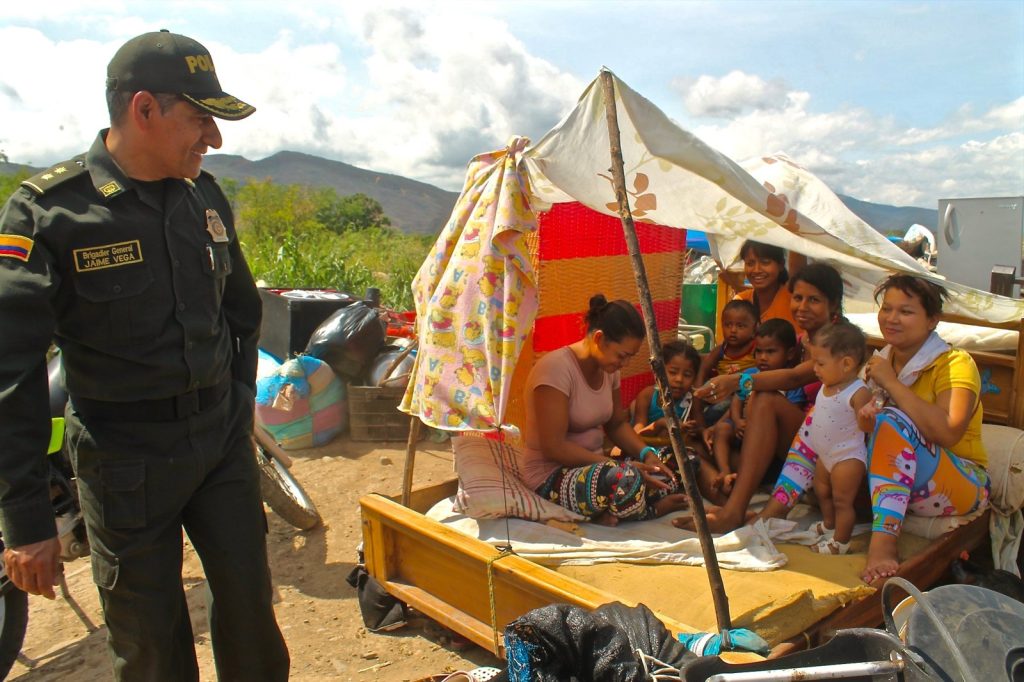
CARACAS, July 13 — The humanitarian catastrophe in Venezuela shows no signs of abating, with the latest data painting a stark picture of a nation in collapse. Strategically, the crisis now enters its thirteenth year, and the calculus for regional stability grows more precarious by the day. The economic freefall, which began in 2014, has been staggering.
The International Monetary Fund reports a cumulative contraction of Venezuela’s GDP of over 80% by 2024. Inflation, which peaked at 1,000,000% in 2018, has moderated to around 200% as of 2024, but the damage to the country’s productive base has been profound.
Poverty now affects over 90% of the population, according to the 2023 National Survey of Living Conditions.
Exodus and Regional Strain
The broader stakes for the hemisphere are immense. The UN Refugee Agency documents that more than 7.7 million Venezuelans have fled the country since 2014, making this the largest displacement crisis in the Western Hemisphere. Colombia has absorbed the largest share, with 2.5 million refugees and migrants.
Peru hosts 1.5 million, and Chile has taken in 500,000. The outflow has reshaped labor markets and public services across South America, and the pressure shows no sign of easing.
Within Venezuela’s borders, the healthcare system has effectively collapsed. Infant mortality has risen sharply, reaching 25 deaths per 1,000 live births in 2023, nearly double the rate of 13 per 1,000 recorded in 2012. The data signals a public health emergency that continues to deepen.
US Response and New Authorities
The United States has been the largest single donor of humanitarian assistance to the crisis. Since 2017, Washington has provided over $3.5 billion in aid, channeled primarily through USAID and international organizations. What this signals is a sustained commitment, but also a shift in how that aid is managed.
In March 2025, the Secretary of State was granted new powers over aid distribution. The move gives the State Department direct authority over the flow of humanitarian resources, a change that analysts say could allow for more strategic targeting of assistance.
What to watch next is whether the new authorities will translate into faster delivery on the ground or become a lever for broader diplomatic pressure. For a regime that has presided over an 80% economic collapse and the exodus of millions, the calculus in Caracas remains the same: survival at any cost. For Washington, the question is how to move the needle when the humanitarian toll keeps rising.




