
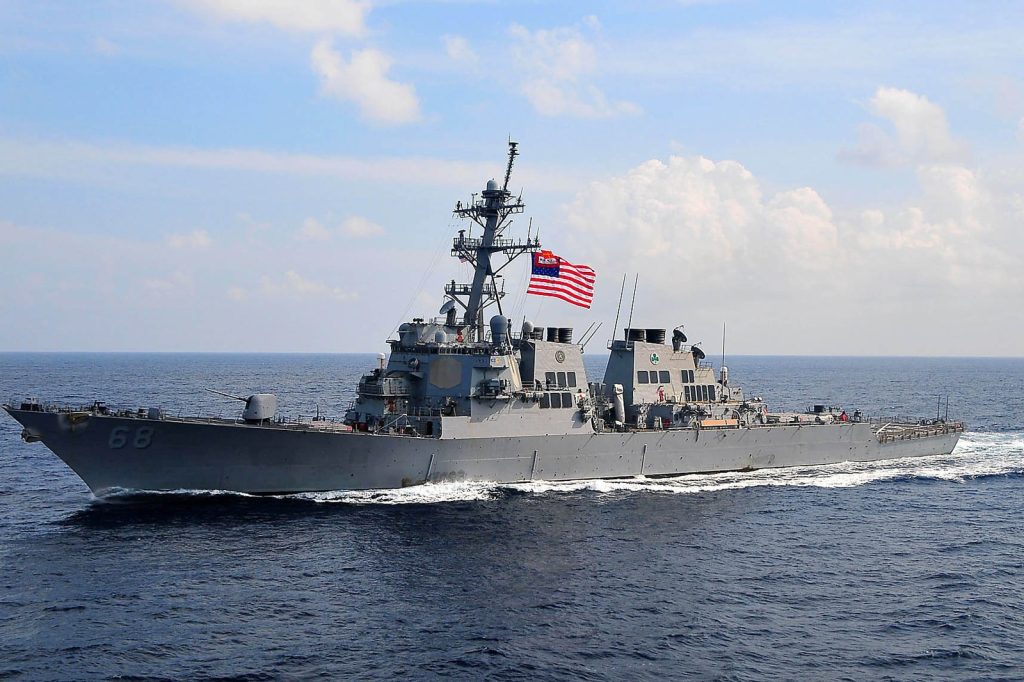
WASHINGTON, July 7 — The United States is expected to increase naval patrols and consider additional military measures in the wake of attacks that occurred in May 2023, including escorting commercial vessels through the Strait of Hormuz. The moves come as diplomatic efforts are underway through the United Nations and the European Union to revive the JCPOA nuclear deal, which analysts say could reduce tensions. The U.S. has also imposed new sanctions on Iran’s oil exports and drone programs.
Iran has threatened to close the strait if its oil exports are blocked. Analysts predict a cycle of retaliation unless a diplomatic solution is reached.
The Strait of Hormuz is a narrow waterway that carries a significant portion of the world’s oil shipments, and any disruption there could have far-reaching consequences for global energy markets. For patients and families watching these developments from afar, the encouraging part is that diplomatic channels remain open. The United Nations and the European Union are both actively engaged in efforts to revive the JCPOA, which could help de-escalate the situation.
Early findings suggest that a diplomatic resolution would be the most stable path forward, though negotiations remain complex. Patients should talk to their doctor if they have concerns about how global events might affect their health or access to medical supplies.
While the situation in the Strait of Hormuz is primarily a matter of international security and energy markets, disruptions in the region could potentially impact supply chains for pharmaceuticals and medical equipment over time. The coming weeks will show whether diplomatic efforts gain traction or whether the cycle of retaliation continues. For now, the U.S. is moving forward with increased naval presence in the region while pursuing multiple avenues to address the underlying tensions.




