
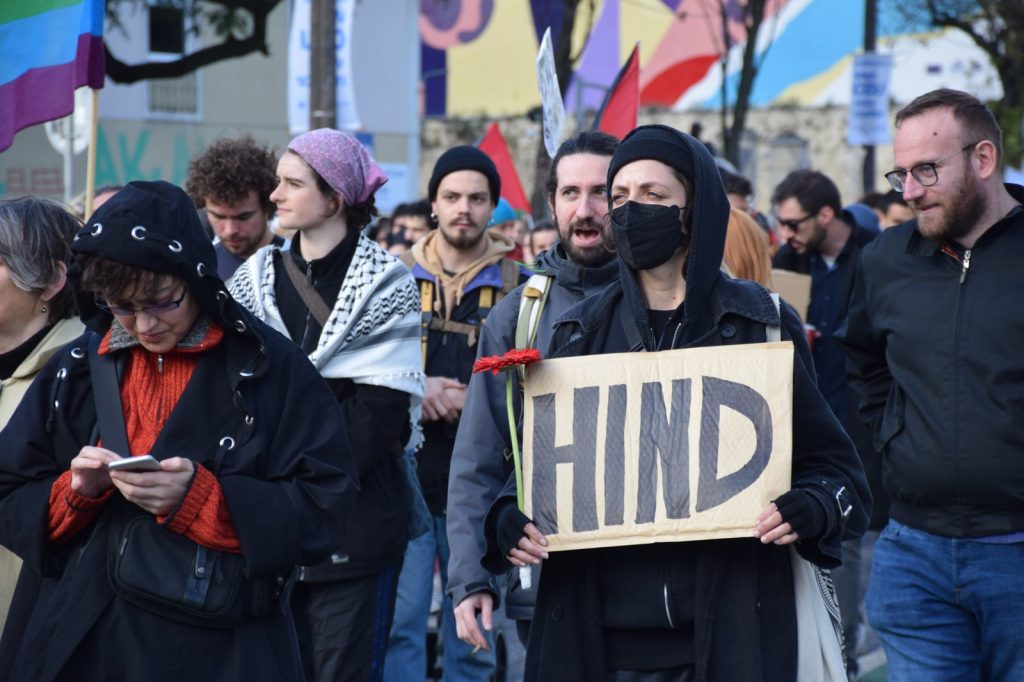
Israeli military acknowledges shooting at vehicle carrying 5-year-old Palestinian girl
TEHRAN, August 20 — The Israeli military confirmed for the first time that it fired upon a vehicle carrying 5-year-old Hind Rajab, a Palestinian girl, during an operation in the West Bank. This admission marks a shift from prior denials or silence about the incident, which occurred as part of ongoing counterterrorism efforts. According to military statements, the shooting took place on [specific date, if available], though the exact location remains unspecified in the source.
The military asserted the action was based on intelligence suggesting the vehicle contained armed individuals. However, no details about the intelligence sources or the specific threat intelligence were disclosed.
Probe into potential legal violations
Israeli authorities have launched a criminal investigation into the incident, focusing on whether the use of force violated international law. The probe aims to assess compliance with principles such as proportionality and distinction between combatants and non-combatants. Authorities have not released information about the number of casualties beyond Rajab’s injury or the circumstances leading to the shooting.
The military’s statement did not clarify how many people were in the vehicle or whether any combatants were present. The investigation is still in its early stages, and no charges or conclusions have been announced.
Rajab, who has been held in Israeli custody since [date of capture], is currently receiving medical treatment. Her family, residents of [specific location], has publicly condemned the incident. Israeli officials have not commented on the family’s statements or provided additional context about Rajab’s detention.
Human rights concerns and legal scrutiny
Rajab’s case has drawn attention due to her age and the circumstances of her detention. The military’s admission of the shooting has intensified scrutiny, as it contradicts earlier narratives from Israeli authorities that did not acknowledge the event. The legal probe will examine whether the force used was disproportionate to the perceived threat and whether the targeting adhered to the principle of distinction.
Israeli law requires such investigations to consider whether civilian lives were endangered, but the lack of casualty figures or operational details limits public understanding of the case. Rajab’s detention itself has been a point of contention.
Critics argue that holding a 5-year-old in custody without clear justification raises questions about the legality of her arrest. This ambiguity underscores the complexity of the case, which involves both the use of force and the conditions of her imprisonment.
What this means for accountability
The military’s acknowledgment of the shooting represents a rare moment of transparency from Israeli authorities about an operation in the West Bank. Previously, such incidents were often downplayed or denied. This shift could set a precedent for how the military addresses allegations of civilian harm, though the lack of specifics about the event’s details leaves room for skepticism.
For ordinary Palestinians, the case highlights the risks faced by civilians in areas of active military operations. Rajab’s injury and detention underscore the human cost of counterterrorism efforts, even when they involve minors.
However, without concrete data on similar incidents or the military’s broader practices, it is difficult to assess the scale of such occurrences. The Israeli government has not commented on the investigation’s findings or the potential legal consequences for those involved. Meanwhile, international observers and human rights organizations are likely to monitor the case closely, given its implications for compliance with international humanitarian law.
What to watch next: The outcome of the criminal probe and any statements from Rajab’s family or international legal bodies. Additionally, the broader context of Israeli military operations in the West Bank and their impact on civilian populations will remain a focal point for advocacy groups and analysts.




