
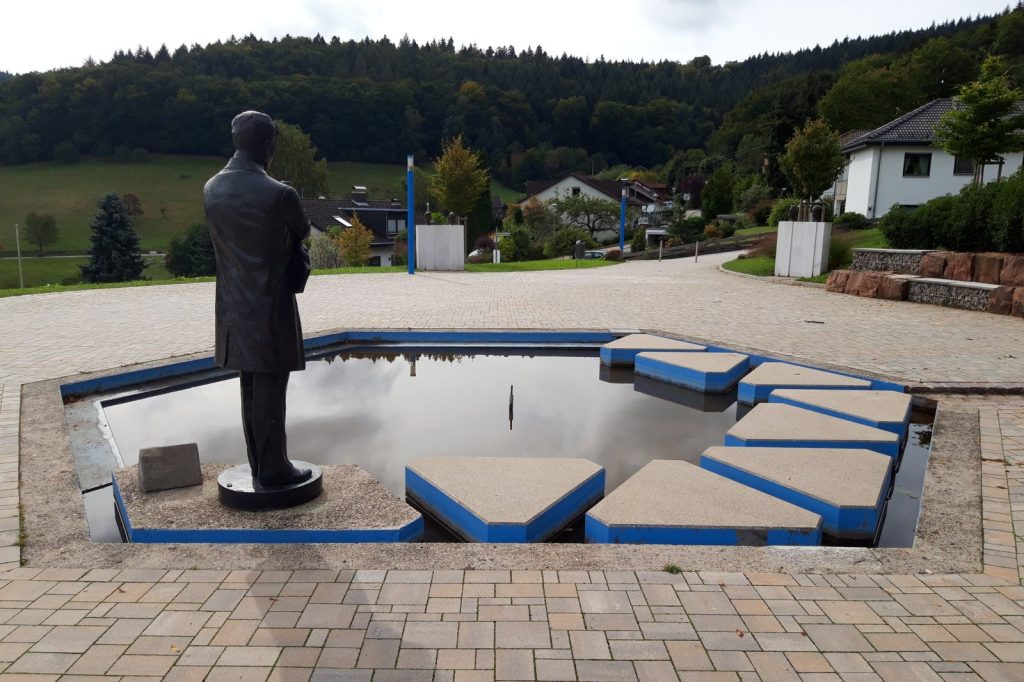
The Philippines and Austria this week commemorate 80 years of diplomatic relations with a special event designed to retrace the European footsteps of Jose Rizal, the Philippines’ revered nationalist figure. The observance takes place in Vienna, a city where Rizal once lived and absorbed European ideas that helped shape his writings and activism.
Officials from both nations are using the anniversary not only to reflect on shared history but also to reaffirm commitments to present-day cooperation, with trade and investment emerging as likely areas for deeper engagement.
Rizal’s Austrian Sojourn and Its Historical Roots
Jose Rizal first arrived in Europe as a young intellectual seeking both medical training and exposure to liberal currents that were then reshaping the continent. Born in 1861, he trained as an ophthalmologist while simultaneously emerging as a writer and organizer whose work fueled Filipino nationalist sentiment. He joined the Propaganda Movement, a reformist group that used essays and novels to argue against Spanish colonial abuses.
His two most famous novels, Noli Me Tángere and El filibusterismo, exposed corruption and called for changes under Spanish administration. The novels circulated widely in the Philippines and contributed to a growing demand for self-rule.
Rizal’s growing opposition to colonial policy led to his arrest in 1892, followed by a term of exile in Mindanao. Even in remote exile, his writings continued to inspire calls for self-determination. In 1896, Spanish authorities executed him on charges of rebellion, though Rizal had not planned the armed uprising that followed his death.
He is widely regarded as a national hero, although no official decree has ever formally declared him as such. His life and works remain central to discussions of colonial history, national identity, and the tension between reform and revolution in the making of modern Philippine society.
The decision to trace his footsteps in Vienna underscores how his intellectual legacy continues to echo across continents. By revisiting specific locations where Rizal lived, studied, and drew ideas, the two countries point to the enduring resonance of his thought. The city holds particular significance for Filipinos because it represents a place where European intellectual traditions met a young colonial subject who would later galvanize a nationalist movement.
Diplomatic Milestone and Forward-Looking Cooperation
The event marks 80 years of formal diplomatic relations between the Philippines and Austria. According to organizers, the commemoration goes beyond nostalgia and is intended to build stronger ties for the future. The choice of Vienna as the setting is deliberate: it taps into the symbolic weight of Rizal’s time in Austria and uses that shared reference point to anchor present discussions.
The mechanics of the event are straightforward — tracing Rizal’s actual movements around the city — but the underlying purpose reaches into economic and political collaboration. Analysts note that as the two countries celebrate this milestone, they are likely to prioritize trade and investment.
Both nations seek to leverage each other’s strengths: the Philippines offers a dynamic workforce and growing market, while Austria brings expertise in technology, manufacturing, and green energy. The reaffirmed commitment to explore new areas of cooperation suggests that the symbolic gestures of the anniversary may soon translate into concrete agreements. How steadily the two governments build on this event remains to be seen, but the very act of highlighting Rizal’s journey in Vienna signals an intent to link cultural heritage with tangible diplomatic progress.




