
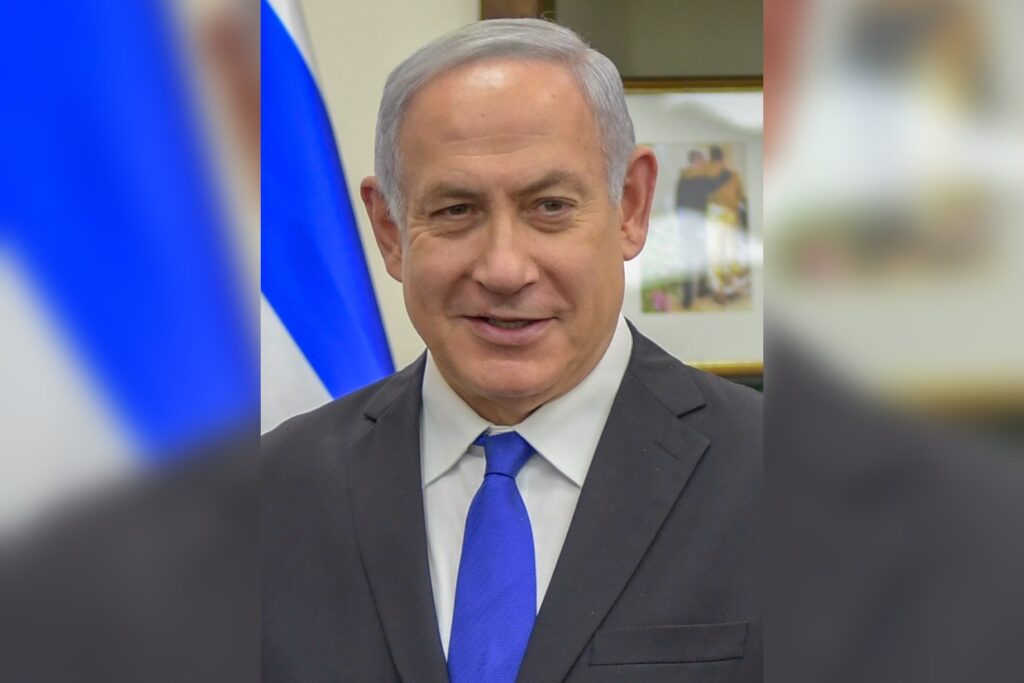
Turkey issued an arrest warrant for Israeli Prime Minister Benjamin Netanyahu on charges of alleged “Gaza genocide,” according to reports from multiple outlets, including The Times of Israel and France 24. The warrant, described as a “fresh” step in a broader legal campaign, marks a significant escalation in Turkey’s efforts to hold Netanyahu accountable for actions tied to the conflict in Gaza. No specific date was provided for the warrant’s issuance, and details about its legal text or whether it was transmitted to Interpol remained unspecified.
The charges center on accusations of genocide linked to the Gaza conflict, with Turkey citing this as the primary basis for its action. A separate legal pursuit by Turkey involves an international arrest warrant related to the detention of a Gaza-bound aid flotilla, though specifics about the incident—such as dates or the exact nature of the detention—were not disclosed in the reported coverage.
Netanyahu responded publicly to the warrant, calling Turkish President Recep Tayyip Erdogan an “antisemitic dictator,” a statement reported by Le Monde. This reaction frames the warrant as not a legitimate legal process but an antisemitic attack, a narrative that appears to resonate in some international coverage, including by Firstpost and The New Arab. The Israeli leader’s condemnation underscores the political sensitivity of Turkey’s move, which has already strained relations between Ankara and Jerusalem.
The timing of the warrant coincides with heightened regional instability, particularly the growing tensions between Turkey and Syria, a development reported by The Times of Israel. This broader context suggests that Turkey’s legal actions against Netanyahu may be influenced by or intertwined with its broader geopolitical friction with neighboring states.
Turkey’s Legal Strategy and Regional Dynamics
Turkey’s dual approach—pursuing both a genocide-related warrant and an international arrest warrant tied to the flotilla—reflects a calculated legal and diplomatic strategy. The genocide charges, as reported, are framed as part of an ongoing campaign, though the exact legal framework or evidence supporting these allegations was not detailed in the sources. Meanwhile, the flotilla detention case, while distinct, adds another layer to Turkey’s efforts to implicate Netanyahu in actions it deems unlawful or harmful.
The lack of transparency in both cases—no full warrant text, no confirmation of Interpol involvement—leaves many questions unanswered, yet the symbolic weight of these actions appears significant to Turkey’s stance. France 24 and other outlets have highlighted that the flotilla detention refers to an aid convoy bound for Gaza, though the source material provided no specifics about when or why the detention occurred.
This ambiguity contrasts with the clarity of the genocide charges, which, while broadly referenced, lack detailed legal or evidentiary disclosure. The absence of concrete information on either count raises questions about the warrant’s enforceability or the willingness of Turkey to share further details with international bodies. Nevertheless, the mere issuance of the warrant signals a firm stance from Ankara, one that Netanyahu has publicly rejected as baseless and prejudiced.
The international response to Turkey’s actions has been mixed. Coverage from outlets like L’Orient Today and The New Arab underscores the warrant’s novelty, positioning it as a “fresh” development in a series of legal challenges targeting Netanyahu.
However, the lack of formal documentation from Turkish authorities or Interpol leaves room for skepticism about the warrant’s legitimacy. Some analysts note that such legal maneuvers are not unprecedented, with Turkey having previously used international courts or diplomatic channels to address perceived threats. Yet, the current focus on genocide—a grave accusation—carries heightened symbolic and political stakes, potentially influencing regional alliances or international perceptions of Israel’s actions in Gaza.




