
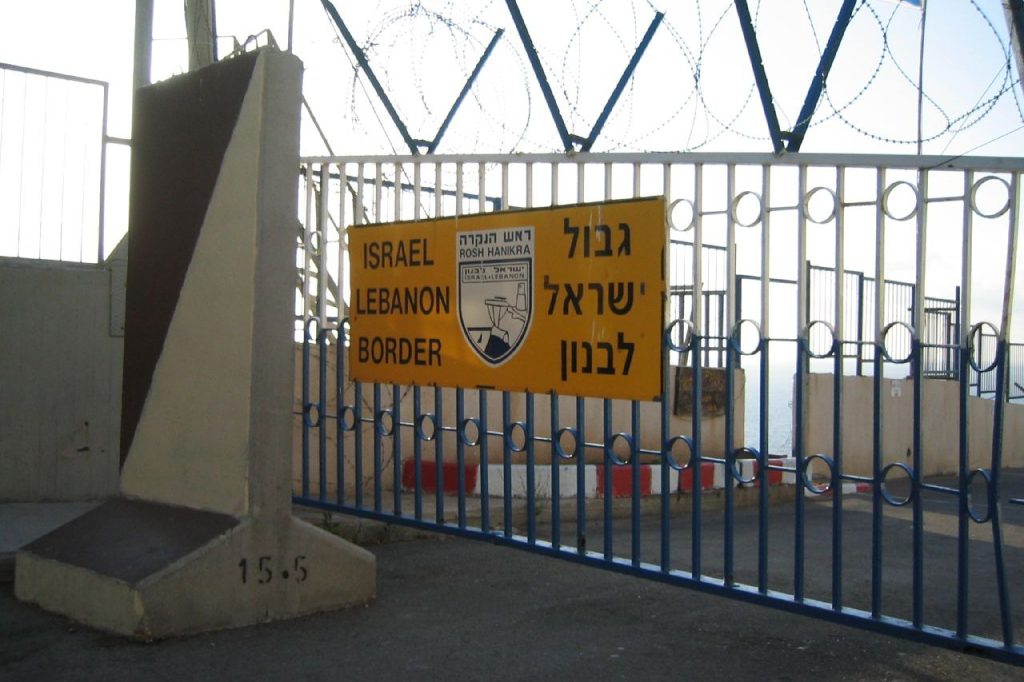
On 13 October, a missile strike along the volatile Lebanon‑Israel frontier claimed the life of Reuters videographer Issam Abdallah and injured six fellow journalists. The episode has ignited a wave of condemnation and heightened concern among media workers covering the conflict.
The Committee to Protect Journalists (CPJ) has formally demanded a comprehensive investigation and accountability for the attack. In its statement, the CPJ warned that the death of a clearly identified member of a press convoy could set a dangerous precedent, turning journalists from collateral victims into deliberate targets.
Abdallah was part of a marked press team that had identified itself with “PRESS” vests and a vehicle bearing recognizable symbols. The strike, which hit the group directly, was not the result of cross‑fire between opposing forces. According to the available report, the missile was launched as part of a broader operation aimed at militant positions, employing advanced guidance systems that allow for precise targeting. Whether the journalists were mistakenly hit or intentionally chosen remains unanswered, as the Israeli military has offered no comment.
The incident has immediate repercussions for reporters operating in southern Lebanon. Those already working under extreme risk now face an added layer of danger: the possibility of being singled out. News organisations are reassessing safety protocols, with some considering pulling staff from the border, while others contemplate tighter embedding with military units or increased reliance on remote‑capture technology.
For the families of the victims, the impact is stark. Abdallah’s death is final; the six injured journalists are coping with shrapnel wounds, burns and blast‑related injuries, and their future ability to return to the field remains uncertain. Psychological trauma is also a likely consequence of the attack.
Human‑rights groups have reacted swiftly. The CPJ’s demand for an inquiry carries particular weight because journalist casualties in conflict zones are often classified as “collateral damage” and fade from public attention. By insisting on accountability, the CPJ aims to prevent the normalization of such deaths.
The border area itself is a flashpoint where Hezbollah and other armed factions operate alongside Israeli forces. Civilian casualties, including those of media personnel, risk inflaming local sentiment and providing propaganda material for parties opposed to Israel. The killing of a reporter, in particular, holds symbolic significance and can be portrayed as an assault on press freedom.
Looking ahead, several questions dominate the discourse: Will Israel launch its own investigation? Will it cooperate with international monitoring bodies? The pressure from the CPJ and other watchdogs suggests that the issue will stay in the spotlight for the foreseeable future.
In the meantime, newsrooms are revising risk assessments. Some outlets may limit on‑the‑ground coverage, opting for safer alternatives, while others may double down on security measures, such as armored transport and closer liaison with military officials. The incident underscores the harsh reality that, despite precision guidance, missiles remain weapons of war with a high potential for unintended civilian harm.
The death of Issam Abdallah stands as a stark reminder that the line between combatants and non‑combatants can blur quickly in modern conflicts. Whether this tragedy will prompt concrete steps to protect journalists or become another statistic in a protracted ledger of war casualties remains to be seen.




