
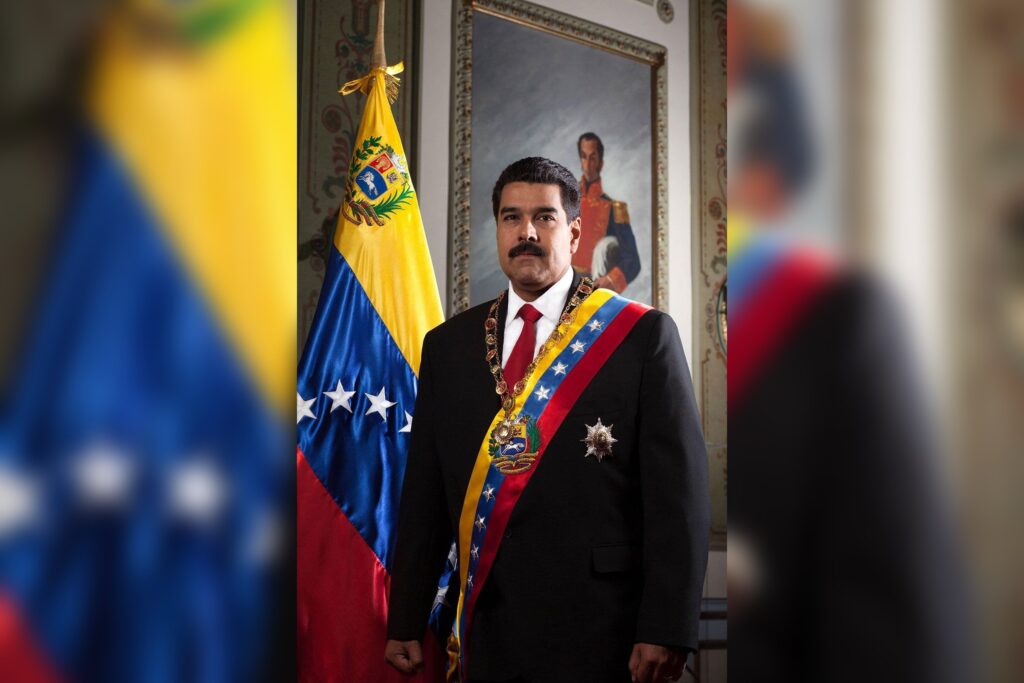
CARACAS, July 13 — The calculus for Nicolas Maduro has always been survival through strategic endurance. Now in his 14th year as Venezuela’s president, the former bus driver and union leader has outlasted multiple U.S. administrations, an attempted coup, and what has been called one of the worst peacetime economic collapses in modern history. But the broader stakes for Washington remain unchanged: Maduro still controls the military, the judiciary, and the state oil company PDVSA, and he shows no sign of relinquishing power.
Maduro took office on April 14, 2013, following the death of his mentor, Hugo Chavez. Born in Caracas on November 23, 1962, he rose through the ranks as foreign minister from 2006 to 2012 and then as vice president before assuming the presidency.
What this signals to regional analysts is a continuity of Chavismo that has proven remarkably resilient despite catastrophic governance. The U.S. Department of Justice indicted Maduro on drug trafficking charges in 2020, offering a $15 million reward for information leading to his capture. The Trump administration has maintained maximum pressure.
Yet Maduro has called U.S. sanctions “economic warfare” and has refused to negotiate with the opposition unless those sanctions are lifted. Strategically, Maduro’s victory claim in the July 28, 2024 election has not been recognized by the United States or many other nations.
The election remains a flashpoint. The opposition, which has been fractured and at times leaderless, continues to press for a transition that Maduro has blocked at every turn. Russia, China, and Cuba have provided consistent backing.
Moscow has supplied diplomatic cover at the United Nations Security Council, while Beijing has extended credit lines and investment in Venezuelan oil infrastructure. Havana has sent military and intelligence advisors. For Maduro, this international lifeline has been essential to weathering sanctions and political isolation.
The economic toll has been staggering. Hyperinflation and mass emigration have defined his tenure.
Millions of Venezuelans have fled the country, creating a regional humanitarian crisis that has strained neighboring Colombia, Peru, and Brazil. The state oil company PDVSA, once a crown jewel of the Venezuelan economy, has seen production collapse amid mismanagement and sanctions. What comes next is uncertain.
Maduro has survived U.S. sanctions rounds, an attempted coup in 2019, and diplomatic isolation. But the Trump administration has shown no willingness to ease pressure.
The calculus in Caracas remains what it has always been: hold on, wait out the opposition, and hope that external support holds. For Washington, the question is whether strategic patience or a new approach will break the stalemate.




