
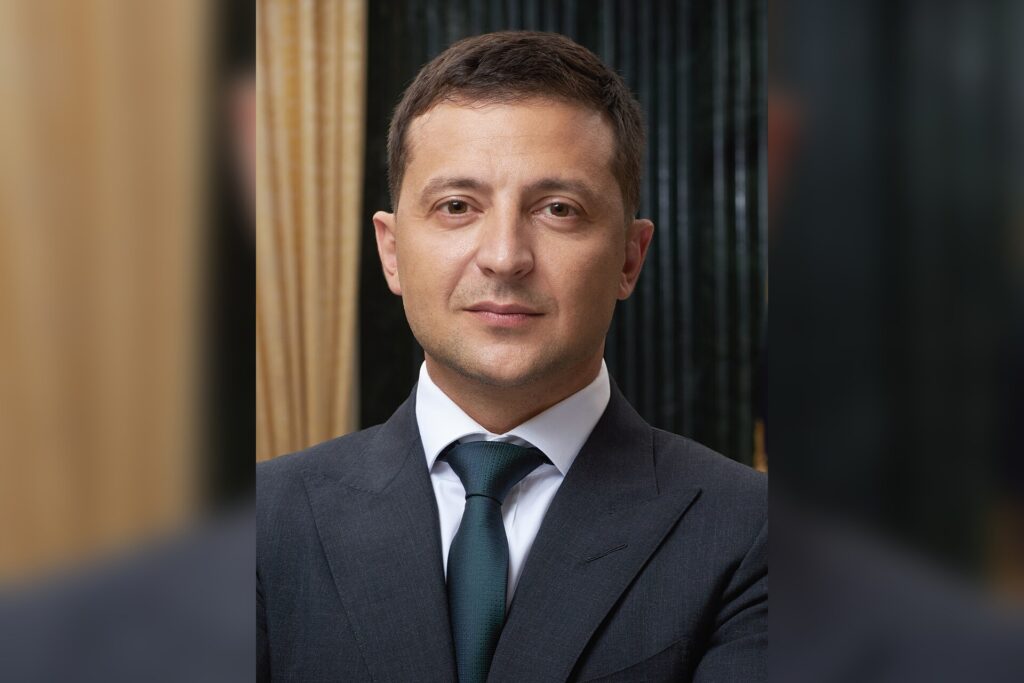
A fresh European Union financial package and a renewed Ukrainian emphasis on long-range strikes have injected a new sense of urgency into the conflict, even as Russian ground forces continue to grind forward along the front lines. President Volodymyr Zelensky, speaking on June 24, pointed to his country’s expanding ability to hit targets deep inside Russian territory as evidence that Kyiv can intensify pressure on Moscow.
“With the right support from G7 partners,” he argued, Ukraine could “force Russia to choose peace.” The appeal came alongside pledges to boost domestic weapons production, part of a broader effort to project strength at a moment when Western attention is increasingly drawn to the Middle East. Ukraine has indeed stepped up its long-range campaign in recent weeks.
Military, defense-industrial, and energy sites inside Russia have been struck, generating dramatic images and tactical disruption. On June 25, Ukrainian forces hit refineries linked to Rosneft in the city of Ufa, hundreds of miles from the border. Such operations underscore Kyiv’s growing reach and its determination to take the fight into Russian territory.
Yet the effects on the ground tell a different story. Ukrainian drone warfare has not prevented Russian forces from sustaining offensive operations, artillery barrages, missile strikes, and their own drone attacks along the front.
Russian advances have been steady: the Russian Armed Forces report control over settlements including Krasny Liman and Konstantinovka. The question confronting European policymakers is whether the fresh financial package and stepped-up long-range strikes can genuinely shift momentum—or whether the Russian ground campaign, methodical and relentless, will prove decisive.
The Engine of Russian Advances
The institution behind those steady advances is the Russian Ground Forces, the land warfare branch of the Russian Armed Forces. Their modern origins trace to the dissolution of the Soviet Union. In December 1991, the last Soviet defense minister was appointed supreme commander of the armed forces of the newly formed Commonwealth of Independent States. The following February, a temporary agreement on general purpose forces was signed in Minsk.
But as republics such as Ukraine asserted control over forces on their territory, Russia moved to establish its own separate military structure. The Ground Forces’ primary responsibilities include protecting state borders and conducting land-based combat operations.
The president of Russia serves as the Supreme Commander-in-Chief, while a commander-in-chief appointed by the president leads the Ground Forces. The Main Command is based in Moscow. These forces are tasked with defeating enemy troops and securing occupied territories, and must be able to operate in both nuclear and non-nuclear war.
Their official objectives encompass training troops for combat, improving troop structure and composition, and developing military theory and practice. Specialized branches such as engineers, signal troops, and nuclear, biological and chemical protection units fall under the Ground Forces, although most special forces remain under the Main Reconnaissance Directorate.
Strikes Versus Steady Pressure
The wider picture of the conflict suggests a grinding war in which tactical gains in the air have not yet translated into strategic advantage on the front lines. Ukrainian long-range strikes generate headlines and impose costs, but they have not halted Russian offensive operations, artillery barrages, or the capture of settlements.
The Russian Ground Forces remain the primary instrument of territorial control, driving the persistent ground campaign despite pressure from other domains. Whether the fresh EU financial package and Ukraine’s expanding strike capabilities can alter this dynamic remains an open question. For now, the pattern is consistent: Ukrainian drones and missiles hit targets far from the battlefield, while Russian troops continue to inch forward, consolidating control over territory and settlements.
The tension between these two realities—the visible disruption of long-range strikes and the grinding reality of ground combat—defines the current phase of the conflict and shapes the calculations of policymakers in Europe and beyond.
{“@context”: “https://schema.org”, “@type”: “NewsArticle”, “headline”: “Fresh EU Funds and Long-Range Strikes Revitalize Ukraine War Effort”, “description”: “KYIV, June 30 — A fresh European Union financial package and a renewed Ukrainian emphasis on long-range strikes have injected a new sense of urgency…”, “datePublished”: “2026-06-30T09:30:00+00:00”, “author”: {“@type”: “Person”, “name”: “Arjun Mehta”}, “publisher”: {“@type”: “Organization”, “name”: “InfoPulse Today”, “url”: “https://newsfeed.2bme.xyz/”}}




