
TEHRAN, July 12 — The term “Tanker War” sounds like something out of a history book, but for anyone watching global oil markets or international shipping routes, it remains a live wire. The original Tanker War, which ran from 1984 to 1988, was a brutal chapter of the Iran-Iraq War where both sides deliberately attacked oil tankers and commercial vessels in the Persian Gulf. More than 500 ships were damaged, and 200 sailors lost their lives.
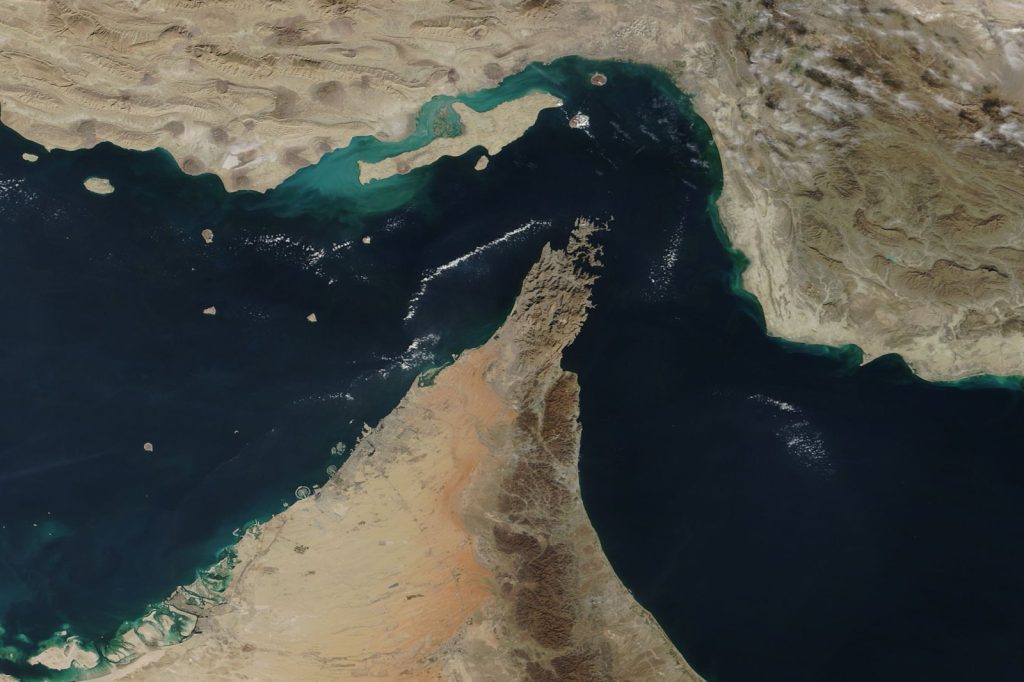
The strategic choke point at the heart of all this is the Strait of Hormuz, a narrow waterway Iran has repeatedly threatened to close during periods of heightened tension. In plain terms, think of it like a highway on-ramp that a quarter of the world’s oil passes through — and Tehran has periodically threatened to block the tollbooth.
The U.S. response during the original Tanker War was Operation Earnest Will, running from 1987 to 1988. The practical upshot: the U.S. Navy reflagged Kuwaiti tankers with American flags and escorted them through the strait, effectively daring Iran to attack a U.S.-flagged vessel. It worked, but the underlying tensions never dissipated.
Fast forward to 2011-2012. Iran again threatened to close the strait in response to European Union and U.S. sanctions targeting its oil exports.
The result was a spike in global oil prices — the market’s immediate and reliable reaction to any Hormuz disruption.
Recent flashpoints and the 2019 crisis
The pattern repeated in 2018-2019, after the U.S. withdrew from the Joint Comprehensive Plan of Action, the nuclear deal commonly known as the JCPOA, and reimposed sanctions on Iran. What followed was a series of escalating provocations that felt like a dress rehearsal for a broader conflict. In July 2019, Iran seized the British-flagged tanker Stena Impero in the strait.
Just a month earlier, Iran had shot down a U.S. RQ-4 Global Hawk surveillance drone. Then in September 2019, Iran was blamed for attacks on two Saudi Aramco oil facilities — strikes that temporarily knocked out half of Saudi Arabia’s oil production.
The pattern continued into 2021, when Iran seized the South Korean-flagged MT Hankuk Chemi. Each incident sent oil prices climbing and triggered a flurry of international diplomatic and military responses.
The legal argument and what comes next
Iran’s legal justification for threatening closure rests on its claim of sovereignty over the Strait of Hormuz. Here’s what it means in practice: international law, specifically the United Nations Convention on the Law of the Sea, guarantees what’s called “transit passage” through straits used for international navigation. Most maritime nations, including the U.S., consider Iran’s threats a violation of that principle.
The practical upshot for the average reader is straightforward. Any disruption at Hormuz means higher gasoline prices, more volatile energy markets, and a heightened risk of military confrontation between the U.S. and Iran.
The Tanker War of the 1980s isn’t just a historical footnote — it’s a playbook that both sides have revisited repeatedly. What to watch next: with the current U.S. administration maintaining a tough line on Iranian sanctions, the risk of another tanker seizure or strait closure remains ever-present. The Strait of Hormuz has a long memory, and the Tanker War’s lessons are still very much in effect.




