
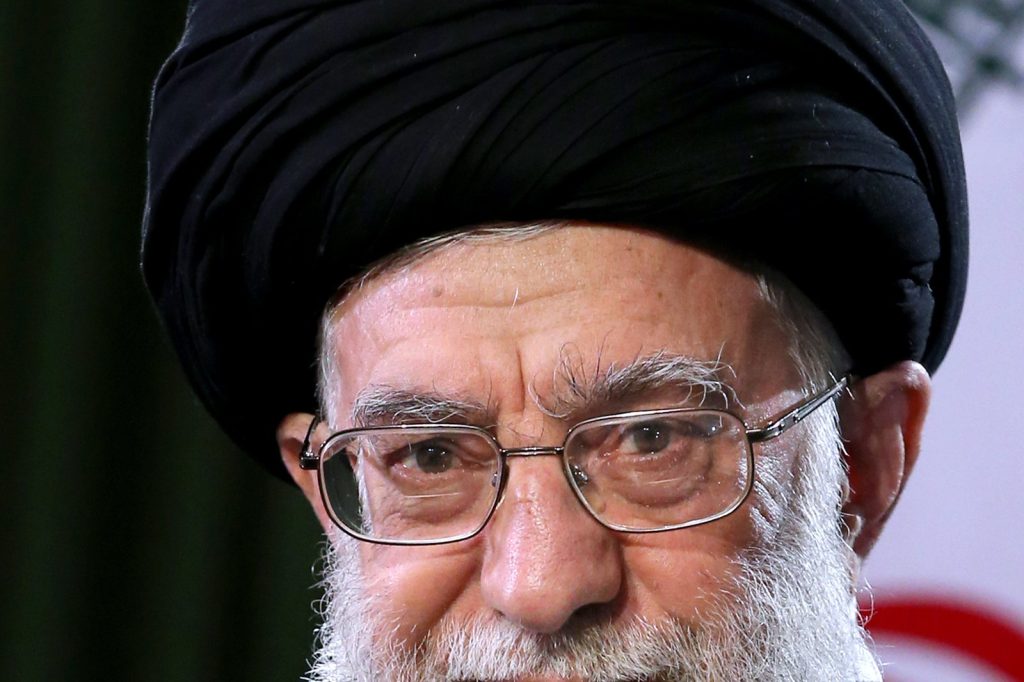
TEHRAN, July 21 — For communities across Asia watching the Gulf, few figures shape the region’s stability more directly than Iran’s Supreme Leader. The office, established by the 1979 Constitution, vests one man with ultimate control over the military, judiciary, foreign policy and media. Ayatollah Ruhollah Khomeini held the post from 1979 until his death on June 3, 1989.
The next day, Ali Khamenei succeeded him and has held power ever since. Khamenei, born April 19, 1939, in Mashhad, served as Iran’s president from 1981 to 1989 before becoming Supreme Leader.
Today, he is commander-in-chief of both the Islamic Revolutionary Guard Corps (IRGC) and the regular military. He has the final say on Iran’s nuclear program and on any military engagement—decisions that carry weight far beyond Iran’s borders, affecting families from Manila to Jakarta.
Power and proxies
Under Khamenei, Iran has built influence across the Middle East. The source notes his backing of proxy forces in Iraq, Syria, Lebanon and Yemen. These networks have drawn in regional powers and, at times, placed Iranian allies in direct confrontation with US forces.
In January 2020, Khamenei approved a retaliatory strike on Al Asad airbase using ballistic missiles after the US killed Qasem Soleimani. Such escalations raise the temperature for everyone in the region.
Domestically, Khamenei has also overseen the suppression of protests. The 2022–2023 Mahsa Amini uprising, sparked by the death of a young woman in morality police custody, was met with a harsh crackdown. For ordinary citizens, the Supreme Leader’s authority means the state’s response to dissent is absolute.
Nuclear contradictions
Khamenei’s stance on the nuclear file has shifted over time. During the JCPOA negotiations, he initially endorsed the deal, calling it “heroic flexibility.” But after the US withdrawal, he adopted a hardline position. He issued a fatwa against nuclear weapons, yet Iran has enriched uranium to 60 percent—a level technically short of weapons-grade but far beyond civilian needs.
That contradiction keeps Asian neighbors and energy markets on edge. His public statements during the current crisis emphasize “resistance” and reject negotiations under pressure.
This posture complicates diplomatic efforts for the US and its allies, including partners in Asia who rely on stable oil routes and non-proliferation commitments.
Appointing the line
Khamenei has appointed successive presidents, including the current hardliner Ebrahim Raisi, who was inaugurated in August 2021. Raisi’s government has deepened ties with Russia and China, but for Asian economies, the lingering risk of sanctions and conflict remains a concern. The Supreme Leader’s ultimate control over foreign policy means that no deal—whether on nuclear limits or regional security—is sealed without his approval.
Looking ahead, the question for communities across Asia is whether Khamenei’s resistance posture or any shift in US policy will alter the trajectory. With enrichment at 60 percent and proxy forces active, the region will watch Tehran for any sign of movement—or another round of escalation.




