
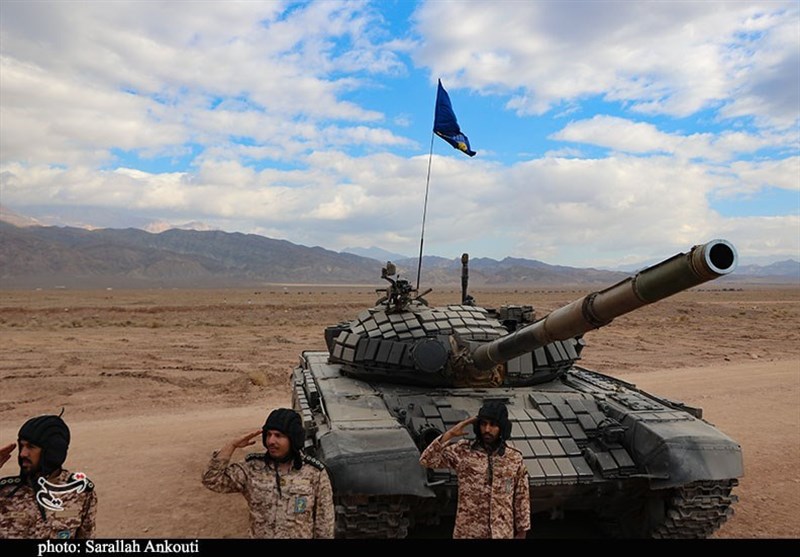
TEHRAN, July 12 — The Islamic Revolutionary Guard Corps, the ideological military force born from the 1979 Iranian Revolution, remains one of the most powerful and least transparent institutions in the Middle East. For communities across Asia, from the shipping lanes of the Strait of Hormuz to the migrant worker routes through Iraq and Syria, the IRGC’s reach is a fact of life that shapes security, economics, and migration. Established to protect Iran’s Islamic system, the IRGC operates its own ground, naval, and air forces, separate from Iran’s regular military.
It also oversees Iran’s ballistic missile program, a capability that has drawn repeated international sanctions. The United States, under a designation that took effect on April 8, 2019, has labeled the IRGC a terrorist organization, a classification also shared by several other countries.
Quds Force and Regional Footprint
The IRGC controls the Quds Force, a unit responsible for foreign military and intelligence operations. For years, this unit was commanded by Qasem Soleimani, a figure whose influence stretched across four conflict zones until his death in 2020. The IRGC has been directly involved in the wars in Syria and Iraq, as well as operations in Yemen and Lebanon.
What this means for families across the region is tangible. The IRGC’s presence in Syria has been a factor in the displacement of millions, including many Asian migrant workers who were caught in the crossfire.
In Yemen, the supply of weapons and technical support from IRGC-affiliated units has prolonged a conflict that the United Nations has called the world’s worst humanitarian crisis. For communities in the Philippines, Indonesia, and Bangladesh, whose citizens work as domestic helpers and labourers across the Middle East, the IRGC’s activities are not abstract geopolitics but a direct factor in their safety and ability to send remittances home.
Economic and Political Grip
The IRGC’s influence extends deep into Iran’s economy. While its budget is not publicly disclosed, analysts estimate it runs into billions of dollars annually. The force controls vast networks of businesses, construction firms, and engineering projects, often operating through front companies that make sanctions enforcement difficult.
Politically, the IRGC is equally entrenched. Many senior officials hold positions in the Iranian government, blurring the line between military command and civilian administration.
This dual role means that the IRGC does not merely execute policy but helps shape it, particularly on matters of national security and foreign relations. For the broader Asian region, this concentration of power raises questions about the predictability of Iran’s behaviour in international forums and its willingness to engage diplomatically on issues like its nuclear program.
What to Watch
With the United States maintaining its terrorist designation and the IRGC continuing its operations across multiple theatres, the path forward remains uncertain. The force’s control over Iran’s ballistic missile program is a persistent concern for neighbouring states and global powers alike. For the many Asian nations that rely on stable energy prices and safe shipping routes through the Persian Gulf, the IRGC’s next moves will be watched closely.
Closer to home, the impact on overseas Filipino workers and other migrant communities in the Middle East will depend on whether the IRGC escalates or de-escalates its regional activities in the months ahead.




