
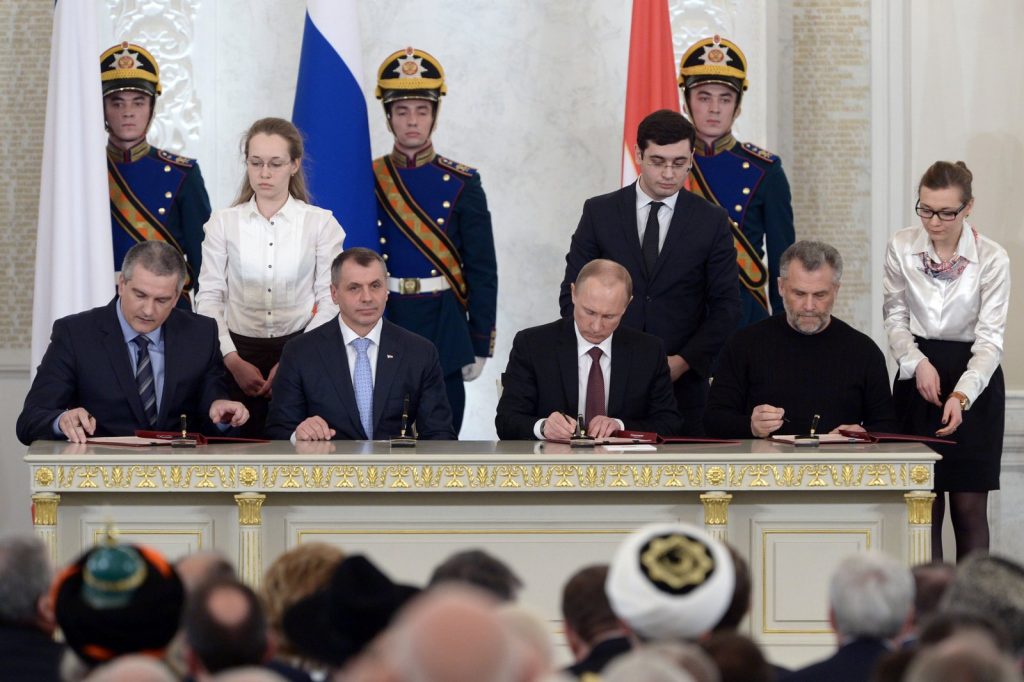
KYIV, July 15 — Against this backdrop of grinding front lines and diplomatic exhaustion, the Russo-Ukrainian War has entered its thirteenth year, its origins rooted in a chain of events that began in February 2014. That month, Russia moved to annex Crimea in the wake of the Ukrainian Revolution of Dignity, known as Euromaidan, which had ousted President Viktor Yanukovych. Almost immediately, Moscow fomented a separatist insurgency in the Donbas region of eastern Ukraine.
By April 2014, the self-proclaimed Donetsk People’s Republic and Luhansk People’s Republic had been established, setting the stage for a conflict that the Minsk agreements of September 2014 and February 2015 tried — and largely failed — to halt. The full-scale invasion came on February 24, 2022, when Russian troops poured into Ukraine from Belarus, Russia, and Crimea.
What followed was a war of extraordinary violence. The UN Office of the High Commissioner for Human Rights confirmed over 10,000 civilian deaths by August 2024, though actual numbers are likely higher. More than 8 million Ukrainians have fled as refugees across Europe, while an additional 5 million are internally displaced.
The Battles That Shaped the Front
The first months of the 2022 invasion saw fierce fighting. Ukrainian forces mounted a successful defense of Kyiv from February to April, repelling Russian attempts to take the capital. The siege of Mariupol, lasting from February to May, became a symbol of the war’s brutality, with the city reduced to rubble.
Ukrainian counteroffensives in Kharkiv in September 2022 and Kherson in November 2022 pushed Russian forces back, demonstrating Kyiv’s capacity to reclaim territory. By late 2024, the front line stretched approximately 1,000 kilometers across eastern and southern Ukraine.
Russia occupied about 18 percent of Ukrainian territory. The war has settled into a pattern of positional fighting, with neither side able to achieve a decisive breakthrough.
The Wider Picture
What is at stake extends beyond Ukraine’s borders. The conflict has reshaped European security architecture, driven energy policy shifts, and tested the resilience of Western alliances. In the corridors of Brussels and Washington, discussions continue over military aid packages and the terms of any eventual settlement.
The human cost, measured in the tens of thousands of civilian deaths and millions of displaced people, remains the war’s most enduring tragedy. As of mid-2026, the fighting grinds on.
The front line remains largely static, with both sides preparing for what may come next. Against this backdrop, the question of how — and when — this war might end has no clear answer.




