
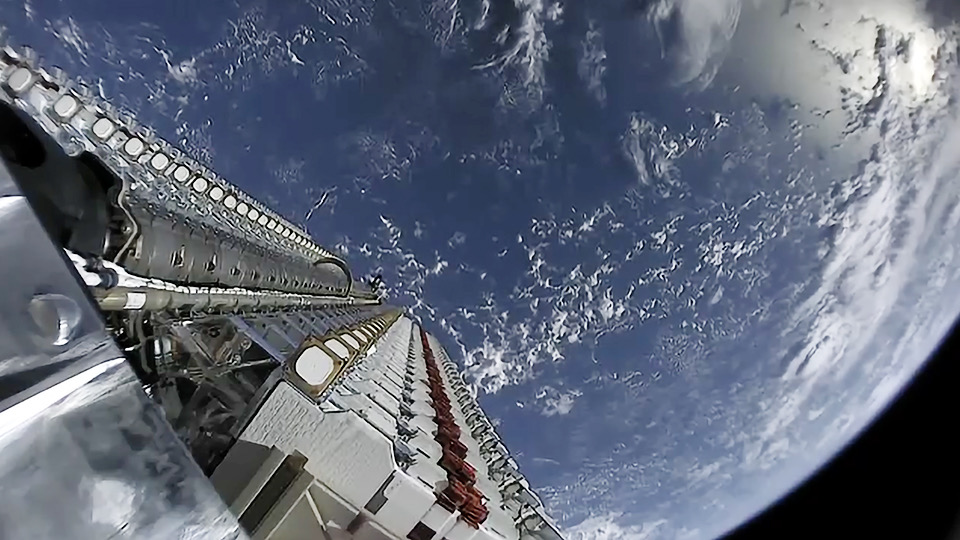
KYIV, July 9 — Against this backdrop of grinding trench warfare and drone duels across the eastern front, a new and largely invisible contest is reshaping the battlefield: the battle for the electromagnetic spectrum. In 2024, Russian forces deployed an electronic warfare system capable of jamming SpaceX’s Starlink satellite internet service and disabling Ukrainian drones. The system, identified as the ‘Tobol’ complex, was first reported by Ukrainian military intelligence in March 2024.
Starlink has been critical for Ukraine’s military communications and drone operations since the Russian invasion began in February 2022. According to a report by the Royal United Services Institute (RUSI) in April 2024, Russian electronic warfare units have successfully disrupted Starlink signals in several front-line areas, including around Bakhmut and Avdiivka.
Ukrainian drone operators have reported increased signal interference and loss of control since early 2024. The development marks a significant escalation in the electronic warfare dimension of the conflict, which began with Russia’s annexation of Crimea in 2014 and the full-scale invasion in 2022. SpaceX CEO Elon Musk has acknowledged the jamming efforts, stating in a March 2024 post on X that Starlink has resisted Russian jamming attempts but that new countermeasures are being developed.
The Ukrainian government has requested additional Starlink terminals and anti-jamming technology from Western allies.
The ‘Tobol’ Complex
What is at stake is nothing less than Ukraine’s ability to maintain command and control over its forces. Starlink terminals have become a ubiquitous feature of Ukrainian military operations, providing secure, high-bandwidth internet connectivity for everything from real-time drone feeds to encrypted communications between units. The Tobol system appears designed specifically to target this vulnerability.
In the corridors of power in Kyiv, the jamming of Starlink is seen as a direct threat to battlefield survivability. The loss of a drone due to signal interference is not simply a materiel loss; it can mean the difference between a successful reconnaissance mission and a catastrophic ambush.
The wider picture is one of a conflict where technological advantage is constantly being contested, with each side developing countermeasures to the other’s innovations.
The Electronic Warfare Dimension
The Russian military has long invested in electronic warfare, viewing it as a critical component of its doctrine. The deployment of the Tobol system represents a maturation of these capabilities. Ukrainian drone operators have reported increased signal interference and loss of control since early 2024, suggesting that the system is being used operationally along the front lines.
The RUSI report, published in April 2024, provided the first detailed open-source assessment of the Tobol system’s capabilities. It confirmed that Russian electronic warfare units have successfully disrupted Starlink signals in several front-line areas, including around Bakhmut and Avdiivka.
These towns have been the scene of some of the most intense fighting of the war, and the jamming of communications there has had a direct impact on Ukrainian operations. SpaceX CEO Elon Musk has acknowledged the jamming efforts. In a March 2024 post on X, he stated that Starlink has resisted Russian jamming attempts but that new countermeasures are being developed.
This suggests a technological arms race in the electromagnetic spectrum, with both sides seeking to gain an edge.
Looking Ahead
The Ukrainian government has requested additional Starlink terminals and anti-jamming technology from Western allies. The request underscores the extent to which Ukraine’s military has become dependent on commercial satellite communications. The coming months will reveal whether Western-supplied countermeasures can restore Ukrainian battlefield connectivity, or whether Russian electronic warfare will continue to degrade Kyiv’s ability to fight the war it has been forced to wage.




