
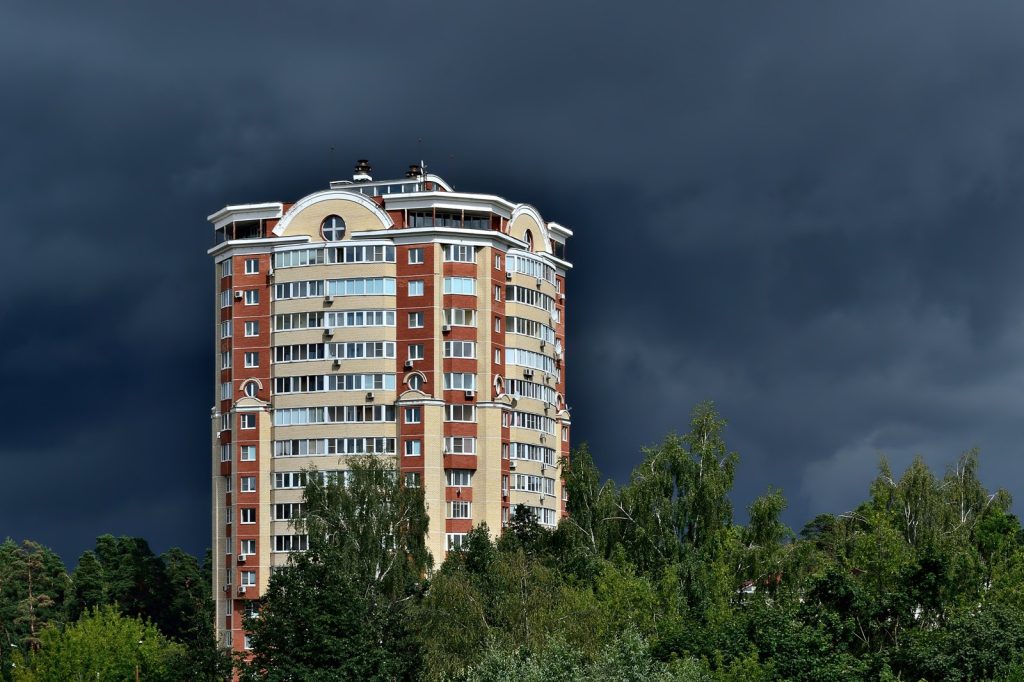
MOSCOW, July 13 — The pattern is by now familiar. A drone strike on a residential building in Moscow city. Another on the Kremlin itself.
Air defenses lighting up the night sky as explosions echo across the Moscow Oblast, the region that rings the Russian capital. Each incident, from the May 2023 Kremlin attack to the most recent explosions on April 27, 2024, follows a similar script: Russia blames Ukraine, denies major damage, and tightens security.
The mechanics here are worth dissecting. Moscow Oblast is not just any region. With a population of roughly 8.5 million according to the 2021 census, it hosts Sheremetyevo International Airport, multiple military bases, and a web of critical infrastructure including oil refineries.
In March 2024, explosions were reported at one such refinery in the region. This is the high-value target set that makes the Oblast a persistent focus of drone activity since the war began.
The Defense Calculus
Russia has responded by deploying extensive air defense systems, including the S-400 and Pantsir systems, to protect the Oblast. The catch is that these systems, while sophisticated, have not prevented a steady drip of incidents. In January 2024, Russian air defenses shot down drones near Moscow.
On May 30, 2023, a drone struck a residential building in Moscow city. On May 3, 2023, a drone hit the Kremlin.
Each event forces a recalibration of the defense perimeter, but the attacks keep coming. On closer reading, the pattern of these incidents reveals something about their operational logic. The attacks have caused no major casualties, according to available reports.
That is a striking fact, given the density of the target zone. But the disruption has been real.
Air travel has been interrupted. Security concerns among residents have risen. The economic cost of rerouting flights and maintaining heightened alert levels is not trivial, even if it is hard to quantify from public data.
Follow the Disruption
The disruption to air travel is the most tangible economic signal here. Sheremetyevo is a major international hub. Every flight diverted, every airspace closure, every hour of delay translates into direct costs for airlines and indirect costs for the broader economy.
For a region that functions as the logistical and administrative heart of Russia, these are not abstract losses. They compound.
The Ukrainian government has not claimed responsibility for every incident, but Russia has consistently blamed Ukraine for the attacks. The Kremlin attack on May 3, 2023, was explicitly pinned on Kyiv. Whether each strike is a Ukrainian military operation or something else, the cumulative effect is the same: the security calculus around Moscow has shifted permanently.
The Oblast, once considered a safe zone far from the front lines, is now a contested airspace. What to watch next is whether the frequency of these incidents accelerates or stabilizes.
The April 27, 2024 explosions are the latest data point in a series that shows no sign of stopping. The deployment of S-400 and Pantsir systems suggests Russia expects more, not fewer, drone incursions. The real question is whether the defense systems can adapt faster than the attack tactics evolve.
That is the dynamic that will determine whether the next incident is another near-miss or something worse.




