
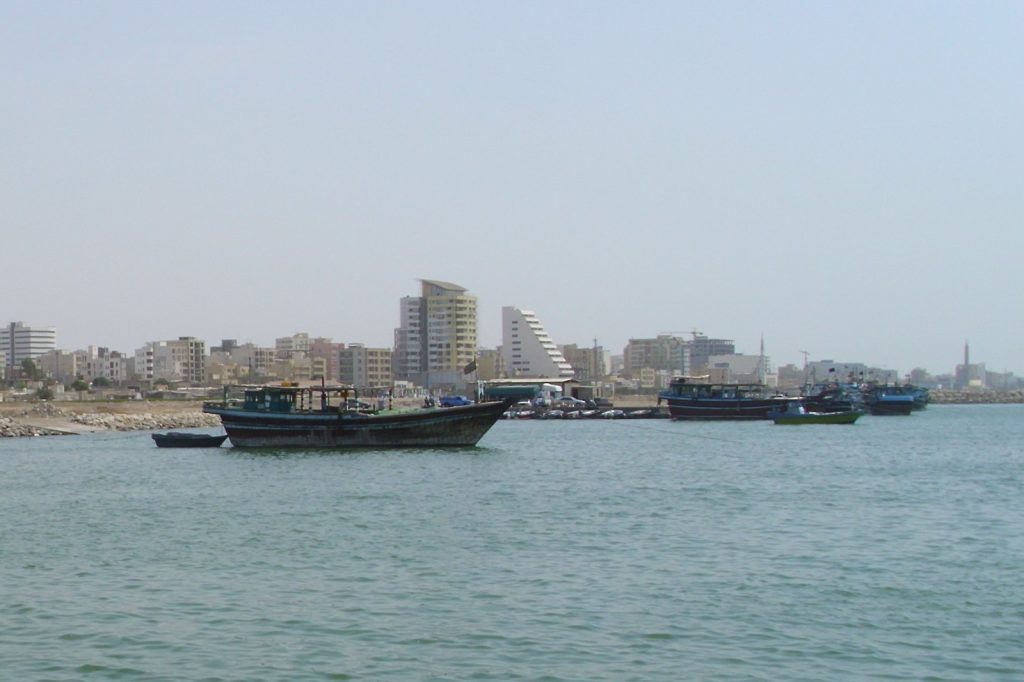
On the docks of this Iranian port city, a fisherman held up several baby sharks tangled in his nets, remarking that shark sandwich is a local delicacy. Another man rode away with two large fish strung over his motorbike.
Scenes like these make the waterfront appear to be an ordinary fishing port. But the docks are in Bandar Abbas, a city situated on the Strait of Hormuz — one of the world’s most vital shipping lanes and a key focal point of the US-Israeli war with Iran. This is the first time international journalists have visited the Iranian side of the strait since the conflict began.
Strategic Waterway Becomes a Battlefield
The Strait of Hormuz connects the Persian Gulf to the Gulf of Oman and sits between the coast of Iran and the Musandam Peninsula. It has long been a strategic choke point, and Iran previously threatened to close the waterway and made preparations to mine it. However, the strait had not been closed for an extended period during Middle East conflicts before the 2026 Iran War.
That shift led to what is now called the 2026 Strait of Hormuz crisis. This route is the only sea passage from the Persian Gulf to the open ocean and carries a large share of the world’s seaborne oil trade and liquefied natural gas.
Several Gulf countries rely on it as their only maritime route, and because it is a primary source of energy for Asia and Europe, any disruption can cause severe supply shortages. When the United States and Israel launched attacks on 28 February, Iran’s regime responded by attacking Israel and neighboring Gulf states hosting US forces. The Islamic Revolutionary Guards Corps began firing on commercial ships attempting to go through the strait without its permission, effectively making the waterway impassable.
Seafarers from around the world were stranded. Oil prices surged, pushing up the cost of energy and fuel, along with a vast range of goods that are shipped around the world.
The US retaliated with a blockade of its own, targeting any ships using Iran’s Gulf ports.
The Human and Economic Toll
For months, these waters were too dangerous to fish. Many fishermen stopped going out.
Others continued, knowing they were heading into a battlefield. The disruption rippled across global markets, driving up energy costs and threatening supply chains that depend on the strait’s operation. The US blockade compounded the economic pressure, effectively isolating Iran’s Gulf ports from international maritime traffic.
The crisis stranded seafarers from numerous nations, creating a humanitarian dimension alongside the strategic and economic stakes. The strait’s closure and the subsequent blockade marked an unprecedented escalation in the region.
Iran’s previous threats to close the waterway had never been realized for an extended period during earlier Middle East conflicts. The 2026 conflict changed that, transforming a longstanding strategic threat into a concrete crisis that halted the flow of oil and natural gas through the passage and sent shockwaves through global energy markets.
Ceasefire Brings Cautious Return to the Sea
Weeks after Iran allowed the partial reopening of the strait under a ceasefire agreement with the US that is mostly holding, the sea is calm once more. Fishermen are returning to the docks in Bandar Abbas. One of them, Abdol Rahman, took the BBC through the strait, providing a firsthand look at the waters that had become a battlefield.
The ceasefire, while fragile, has enabled a gradual return to normal activity. Fishermen who had stopped going out during the height of the conflict are once again casting their nets, though the memory of the danger remains fresh.
The partial reopening does not mean full stability. The strait remains a focal point of tension, and the ceasefire, though mostly holding, has not resolved the underlying conflict. For now, the waterway is passable, and the fishing boats are back.
But the broader strategic importance of the Strait of Hormuz — and the consequences of any future disruption — continue to hang over the region and the global economy that depends on this narrow passage.
{“@context”: “https://schema.org”, “@type”: “NewsArticle”, “headline”: “Iran’s Strait of Hormuz port teems with life amid US-Israeli tensions”, “description”: “BANDAR ABBAS, July 2 — On the docks of this Iranian port city, a fisherman held up several baby sharks tangled in his nets, remarking…”, “datePublished”: “2026-07-02T09:30:00+00:00”, “author”: {“@type”: “Person”, “name”: “Beatrice Bianchi”}, “publisher”: {“@type”: “Organization”, “name”: “InfoPulse Today”, “url”: “https://newsfeed.infopulsetoday.com/”}}




