
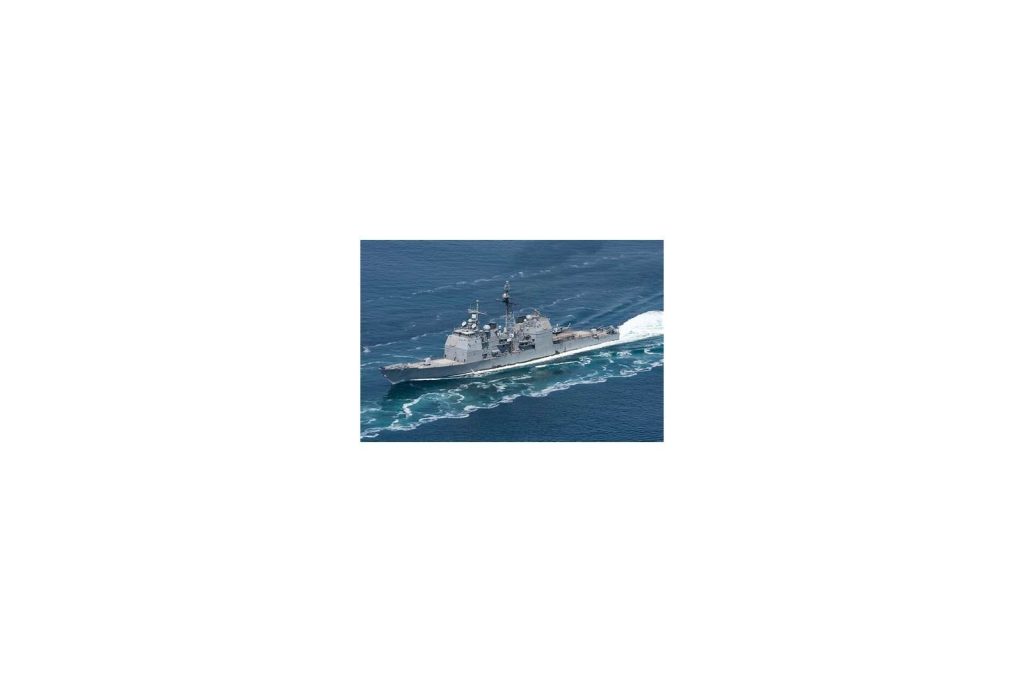
RIYADH, July 7 — The United States-led Operation Sentinel, a multinational maritime security initiative launched in 2019, continues to patrol the Strait of Hormuz as diplomatic efforts to ease tensions with Iran remain stalled. The operation was established in response to past Iranian attacks on commercial shipping in the strategic waterway.
The coalition includes the United States, United Kingdom, Australia, Bahrain, Saudi Arabia, and the United Arab Emirates. Their mission is to protect shipping lanes through the Strait of Hormuz, a narrow passage that carries a significant portion of the world’s oil supply. The U.S. has also considered increasing sanctions on Iran as part of its broader strategy.
Iran has warned of broader retaliation if attacked, including potential strikes on U.S. bases in the Middle East. The warning signals that any escalation could draw in American forces stationed across the region.
Diplomatic efforts, including indirect talks through Oman, have been attempted but have not resolved tensions. The United Nations Security Council has previously condemned Iranian actions, but Russia and China have vetoed stronger measures. This dynamic has limited the international body’s ability to impose further consequences on Tehran.
The Strait of Hormuz remains a flashpoint. The coalition’s naval presence is designed to reassure commercial shippers and regional allies, but the underlying political standoff shows no signs of easing. For now, the operation continues as a deterrent, with no clear diplomatic breakthrough on the horizon.
The Strait of Hormuz has long been a critical chokepoint for global energy markets, connecting the Persian Gulf to the Gulf of Oman and the Arabian Sea. A significant portion of the world’s oil supply passes through this narrow waterway daily, making it a vital artery for international trade. Control over the strait has historically been a source of geopolitical tension, with Iran, which borders the waterway, often asserting its influence over the region.
The strait’s strategic importance has made it a focal point for both regional and global powers, particularly as disruptions to shipping could have far-reaching economic consequences. Tensions between Iran and Western nations, particularly the United States, have been heightened for decades, driven by disputes over Iran’s nuclear program, its regional influence, and its support for proxy groups.
These tensions have periodically escalated into direct confrontations, including attacks on commercial vessels and military assets. The international community has responded with a mix of diplomatic efforts, economic sanctions, and military deterrence. However, achieving a lasting resolution has proven challenging, as Iran’s leadership remains steadfast in its positions, while Western powers seek to curb what they view as destabilizing activities.
The involvement of multinational coalitions in securing the Strait of Hormuz reflects broader efforts to maintain stability in the region and protect global trade routes. Such initiatives often aim to balance military deterrence with diplomatic engagement, though progress has been slow.
The role of international bodies like the United Nations has been complicated by geopolitical rivalries, with major powers like Russia and China often opposing punitive measures against Iran. This dynamic underscores the complexity of addressing regional conflicts in a multipolar world, where competing interests frequently hinder consensus. The ongoing standoff in the Strait of Hormuz highlights the delicate balance between deterrence and escalation.
While naval patrols and sanctions serve as tools to prevent further aggression, they also risk provoking a broader conflict if missteps occur. The potential for retaliation, particularly against U.S. forces in the region, adds a layer of unpredictability. As diplomatic channels remain largely ineffective, the international community faces the challenge of preventing a localized dispute from spiraling into a wider crisis, with significant implications for global security and economic stability.




