
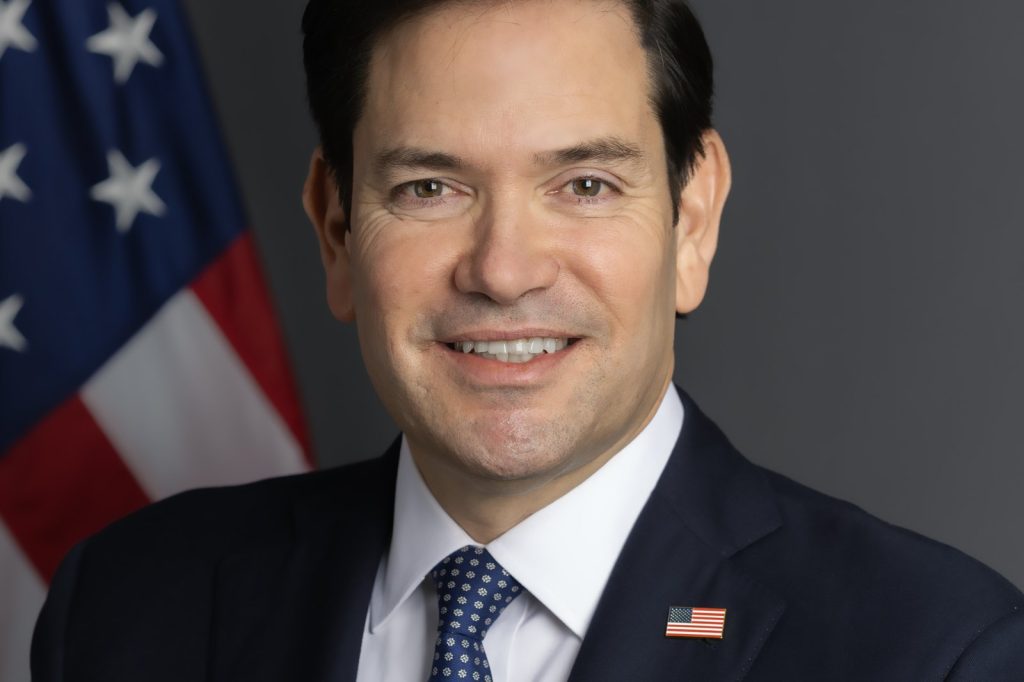
A diplomatic agreement signed in Washington, D.C., on June 27 seeks to untangle a long-running conflict between the Democratic Republic of the Congo and Rwanda. The Washington Accords for Peace and Prosperity rest on a straightforward exchange: Rwanda agrees to withdraw its military forces from eastern DRC, while the DRC commits to ending its support for the Democratic Forces for the Liberation of Rwanda (FDLR) militia. The documents were signed by DRC Foreign Minister Thérèse Kayikwamba Wagner and her Rwandan counterpart, Olivier Nduhungirehe. U.S. Secretary of State Marco Rubio presided over the ceremony.
The negotiations were mediated jointly by the United States and Qatar. Years of mutual accusations have fueled the regional instability.
Rwandan officials have long asserted that the DRC provides safe haven to the FDLR, a militia with roots in the 1994 genocide. Congolese authorities, in turn, have accused Rwanda of sending troops across the border to exploit mineral resources and support armed groups. Evidence supports both positions.
The new accord is designed to sever this cycle by requiring simultaneous or closely sequenced actions from both sides. Beyond the security provisions, the agreement establishes a framework for regional economic integration.
This component is tied directly to the trade in critical minerals, with explicit U.S. involvement. The DRC possesses vast reserves of cobalt, lithium, and other materials essential for batteries and electronics. Rwanda has historically served as a transit point for these minerals, some of which are smuggled across the border.
A formal trade arrangement, with American participation, aims to bring this commerce into the open and give both governments a financial incentive to maintain peace. For the United States, the accords represent a notable diplomatic achievement in a region where American policy has frequently encountered difficulties.
Secretary Rubio’s role was substantive rather than symbolic. The agreement provides the current administration with a concrete outcome and directly links American economic interests to the peace process. This connection carries risk: stable supply chains and a diplomatic success are possible if the deal holds, but Washington would share responsibility if it fails.
The signatures represent the conclusion of negotiations, but implementation presents the real challenge. Rwandan forces have been entrenched in eastern DRC for years.
The Congolese government must sever ties with the FDLR, a militia operating in dense jungle with established local networks. Ending that support will require security operations, arrests, and carries a risk of retaliation. Qatar’s role as co-mediator reflects its growing involvement in conflicts ranging from Afghanistan to the Horn of Africa.
The United States provides leverage and a public platform, while Qatar offers discreet channels for extended talks. This combination produced an agreement.
The accords outline a clear path forward, but a path is not a destination. Implementation in the coming months will determine the outcome.




