
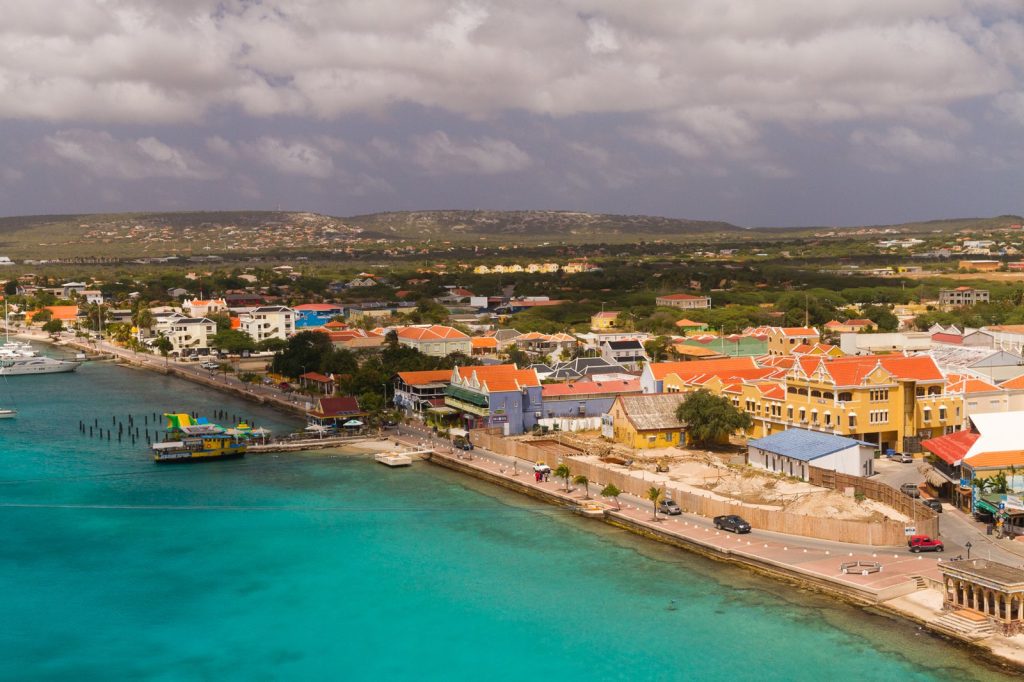
The district court in The Hague has issued a binding order that compels the Dutch government to develop a concrete climate‑change plan for Bonaire, the Caribbean island that forms a special municipality of the Netherlands. The ruling, delivered this week, requires the government to adopt enforceable emissions‑reduction targets that are consistent with the Paris Agreement and to provide the court with regular updates on progress.
Bonaire, home to roughly 20,000 residents, sits low in the southern Caribbean and relies heavily on its coral reefs and beaches for its economy. Its geography makes the island especially vulnerable to rising sea levels and intensifying storms—impacts that do not stop at the distance from Amsterdam. For years, local inhabitants have argued that the measures offered by the Dutch authorities were insufficient to protect the island from these threats.
The court’s decision affirms those concerns. It concluded that the existing, non‑binding frameworks applied across Dutch territories do not adequately safeguard Bonaire’s population against sea‑level rise and extreme weather events.
The judgment emphasizes the government’s legal responsibility to protect the island and to uphold the rights of its residents. Unlike previous guidance, the court’s order demands specificity. The government must now draft a comprehensive plan that includes: The inclusion of a reporting mechanism is a critical component, ensuring that the plan moves beyond a symbolic document to an enforceable program. Should the government fall short of its obligations, the court retains the authority to intervene further.
Environmental organisations and Bonaire residents have welcomed the ruling, viewing it as a significant step toward tangible climate action. Nevertheless, the decision raises practical questions about financing.
The island’s infrastructure—seawalls, reef‑restoration projects, and upgraded storm‑water systems—requires substantial investment, yet the court’s order stops short of mandating a budget, focusing solely on the creation of the plan. This judgment arrives amid a growing wave of climate litigation worldwide, where courts increasingly hold governments accountable for meeting emissions commitments. While Bonaire’s own contribution to global greenhouse‑gas emissions is minimal, its exposure to climate impacts is severe.
The court recognized this disparity, stating that the Dutch government has a duty to protect the island’s residents regardless of the island’s share in causing climate change. With the legal mandate now in place, the Dutch government must translate the court’s requirements into actionable policy.
The island’s small population and extensive coastline mean that the upcoming plan will be closely scrutinised, both locally and internationally, as an example of how a nation can address climate vulnerability in a specific jurisdiction.




