
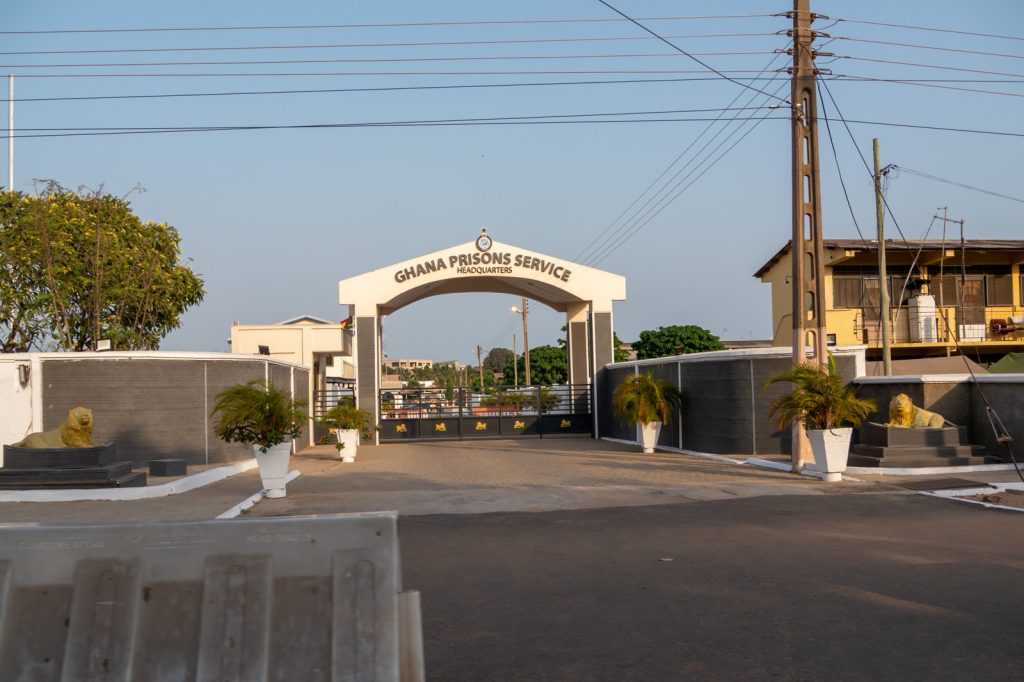
On a day internationally marked as World Drug Day, officials from Ghana’s Narcotics Control Commission (NACOC) brought a substance-abuse education program to two correctional facilities in this capital city of the Volta Region. The outreach, conducted on June 26, 2023, aimed to reach inmates at the Ho Central Prisons and the Ho Female Prisons, the region’s main correctional institutions.
Ho, a city of roughly 104,000 people, serves as the administrative and judicial center for the Volta Region, which is home to about 1.6 million residents. The two prisons are physically separate, reflecting long-standing practice in Ghana’s correctional system of housing male and female inmates apart from one another.
An Education-Focused Outreach
The NACOC program on that June day was designed not as a punitive measure but as an educational intervention. Commission staff delivered programming intended to teach inmates about the dangers of substance abuse. For a prison population where many individuals are incarcerated on drug-related charges or have histories of addiction, the message carried particular relevance.
The timing of the event, coinciding with the International Day Against Drug Abuse and Illicit Trafficking, commonly known as World Drug Day, was deliberate. International observances provide organizations such as NACOC with a structured platform to reach populations that might otherwise be overlooked.
Prisons, by their nature, are closed environments, and bringing information inside their walls requires coordination with corrections officials and careful planning. The outreach covered both the men’s facility and the women’s facility, reflecting the commission’s intent to address substance abuse across genders. For the inmates at Ho Central Prisons and Ho Female Prisons, the education session represented a chance to learn about risks and consequences, even after they had been convicted or were awaiting trial.
The Narcotics Control Commission’s effort underscores a broader shift in drug policy that views substance abuse not solely as a criminal matter but as a public health issue requiring prevention and education.
Context for the Volta Region
Ho sits in southeastern Ghana, near the border with Togo. Its history is shaped by colonial rule: the area was part of German Togoland until World War I, when British forces took control. After the war, Ho became the capital of British Togoland under League of Nations oversight, and that territory later merged with the Gold Coast colony, which ultimately became independent Ghana. The city grew as an administrative center under British rule, a role it maintains today as the capital of the Volta Region.
The Ho Central Prisons and the Ho Female Prisons are the main correctional facilities in the region, reflecting the city’s function not merely as a population center but as the judicial hub for the entire Volta Region. Ghana’s prison system operates under the Ghana Prisons Service, an agency charged with custody, welfare, and rehabilitation.
While punishment remains a component of the system, there has been a growing emphasis on rehabilitation through education and vocational training. Outreaches such as the one led by NACOC align with this institutional shift. The recognition that incarceration alone does not solve drug problems is central to these efforts: education and awareness, even for those already convicted, can change outcomes.
Inmates at the Ho facilities are not static numbers but individuals who will eventually return to their communities. What they learn inside can shape what happens when they get out.
Broader Implications for Rehabilitation
The NACOC effort on June 26, 2023, was a single day of programming. However, the effects, if the lessons are internalized, could last much longer.
Substance abuse does not stop at the prison gate, and neither should efforts to combat it. The program targeted root causes of incarceration, with the aim of reducing recidivism. For the Volta Region, the outreach represents a recognition that local institutions are connecting national priorities with community-level interventions, even within closed correctional environments.
International observances like World Drug Day provide a structured moment for agencies to reach marginalized groups, including those behind bars. The outreach also reflects a broader global shift in drug policy toward prevention and education.
Ghana’s Narcotics Control Commission, by bringing programming to the region’s main correctional facilities, demonstrated that even within the confines of a prison system that has historically focused on incarceration, there is room for a public-health approach. For the men and women held at Ho Central Prisons and Ho Female Prisons, the June 26 event offered information that could help them make different choices in the future, whether inside the facility or after their release.
The commission’s work in the Volta Region underscores the ongoing effort to address substance abuse not just as a crime but as a challenge requiring understanding, education, and long-term change.




