
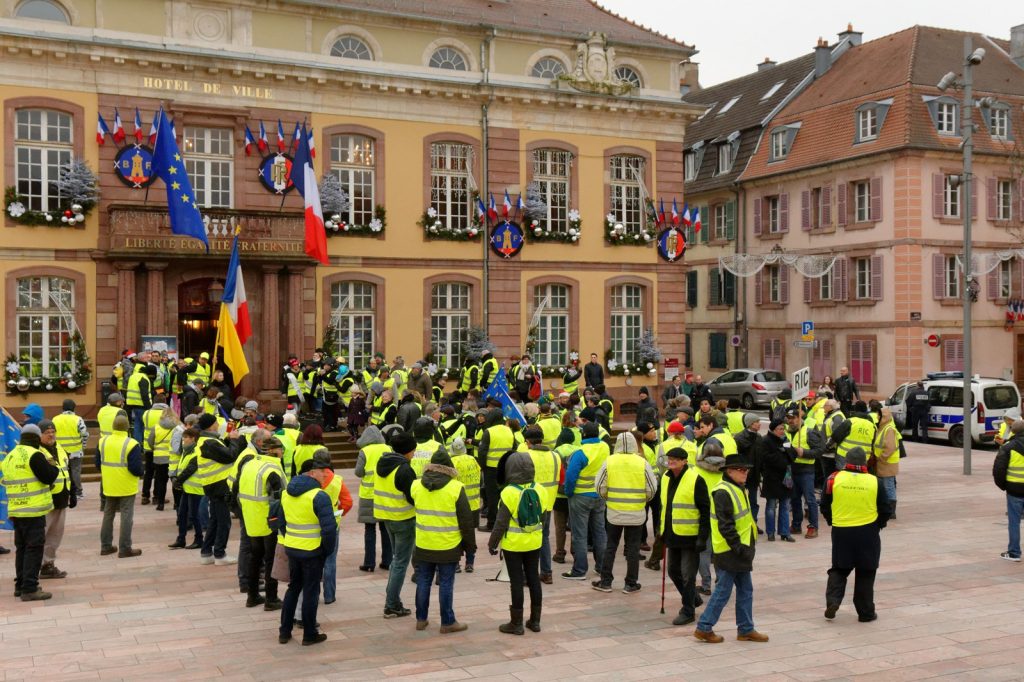
On 19 March 2022, soaring oil and natural‑gas prices sparked a wave of unrest in several European nations. The price spikes were linked to Russia’s war in Ukraine, which tightened supplies of Russian energy and pushed inflation to record levels. Farmers, truck drivers and other workers found the cost of fuel for equipment and vehicles increasingly unaffordable.
In Spain, authorities responded by mobilising more than 23 000 police officers. Officers escorted truck convoys along major highways and blocked picketers from disrupting routes.
The police also set up checkpoints at junctions and logistics hubs to keep supply chains moving. Overnight, picketers in north‑western Spain threw burning tyres onto a highway, hurled rocks at trucks, ripped cargo tarps and punctured tyres, prompting at least two arrests. The Spanish government said it will unveil measures aimed at curbing high energy and fuel prices later in the month. Finance Minister María Jesús Montero described the ongoing truckers’ strike as “extortion” exploited by far‑right groups to hinder the distribution of food.
The striking drivers, organised by the Platform for the Defense of the Road Transport Sector, rejected any political affiliation, accusing the state of “criminalising” a sector that simply wants to earn a living. The Platform, which emerged spontaneously in 2008 from six self‑employed drivers in Galicia, claims the walkout is a pressure tactic.
Drivers are demanding better working conditions, including the possibility of retiring at age 60, and higher pay that they say does not keep pace with rising fuel costs. Companies in the cement, mining and dairy industries have warned that stock levels are falling and distribution is being hampered. France experienced its own series of demonstrations.
A convoy of roughly 20 farmers in the Brittany region drove slowly down a highway and blocked a roundabout, creating long tailbacks to highlight their grievances over fuel prices. In recent days, French road haulers and fishing crews have erected temporary barricades, using vehicles and burning pallets to block traffic.
Greece saw similar farmer‑led traffic disruptions, adding to the regional strain on road networks. Across the three countries, the protests have underscored the broader impact of the energy crunch on agriculture and manufacturing, sectors already struggling with higher raw‑material costs. The European Union, heavily dependent on Russian oil and gas, is confronting an energy crisis intensified by the war in Ukraine.
While the EU has pledged to reduce reliance on Russian supplies, progress has been gradual. A European Commission statement affirmed the bloc’s commitment to support member states in managing the crisis and safeguarding the internal market, but warned that a coordinated effort would be required.
Spain’s Farm Minister Luis Planas framed food provision as a constitutional issue tied to freedom of movement, emphasizing the importance of keeping supply routes open. Nevertheless, the tension remains high, with ongoing incidents of violence against drivers and continued blockades. As governments grapple with the immediate fallout, the longer‑term challenge of diversifying energy sources and stabilising fuel costs persists.
The measures Spain plans to introduce later this month may ease pressure temporarily, but analysts note that the underlying dependence on Russian energy and the inflationary surge driven by the conflict will continue to influence Europe’s economic landscape.




