
TALLINN, July 6 — The arithmetic of Baltic deterrence is shifting, and the numbers that matter most are not the ones Estonia can control. With the withdrawal of U.S. troops from the region, a country that has bet heavily on allied presence as its primary shield now faces a hard reckoning with its own military math. Estonia regained independence from the Soviet Union in 1991 and joined NATO in 2004.
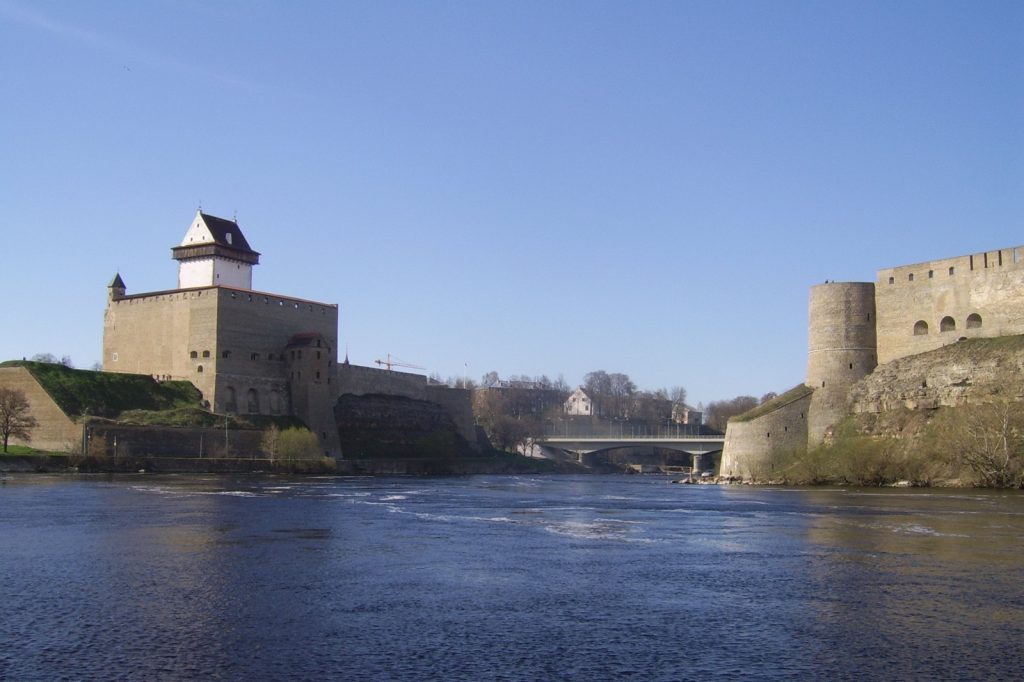
The country shares a 294-kilometer border with Russia. Since Russia’s invasion of Ukraine in February 2022, Estonia has been a vocal advocate for increased NATO presence in the region.
The mechanics here are straightforward: a small active force, a large reserve, and a reliance on allies to bridge the gap between mobilization and response. The Estonian Defense Forces number about 6,400 active personnel, with a reserve of around 230,000. That reserve is the backbone of the country’s defense strategy, but it takes time to call up.
Time is precisely what a sudden Russian incursion would not grant. The catch is that without forward-deployed allied troops, those precious hours of warning and reaction become the critical vulnerability.
The Estonian government has increased its own defense spending to over 3% of GDP, one of the highest among NATO allies. That is a significant financial commitment for a small economy, and it signals that Tallinn understands the stakes. But on closer reading, spending alone does not buy geography or response time.
The withdrawal of U.S. troops raises concerns about a potential power vacuum, as Estonia has historically relied on allied forces for deterrence. Follow the money, and you see a country doing what it can. Three percent of GDP is a heavy lift, and it places Estonia near the top of the alliance in terms of burden-sharing.
Yet the gap between what Estonia spends and what it needs in terms of immediate combat power is not something a budget line can fix. The country has also hosted NATO’s Cooperative Cyber Defence Centre of Excellence since 2008, a nod to the fact that modern conflict does not stop at the physical border.
What comes next depends on whether NATO’s political will can match Estonia’s financial commitment. The alliance’s Article 5 guarantee remains the ultimate backstop, but the withdrawal of American boots on the ground changes the calculus of how quickly that guarantee can be enforced. For a country that shares a 294-kilometer border with Russia, speed is not a luxury — it is the entire point.




