
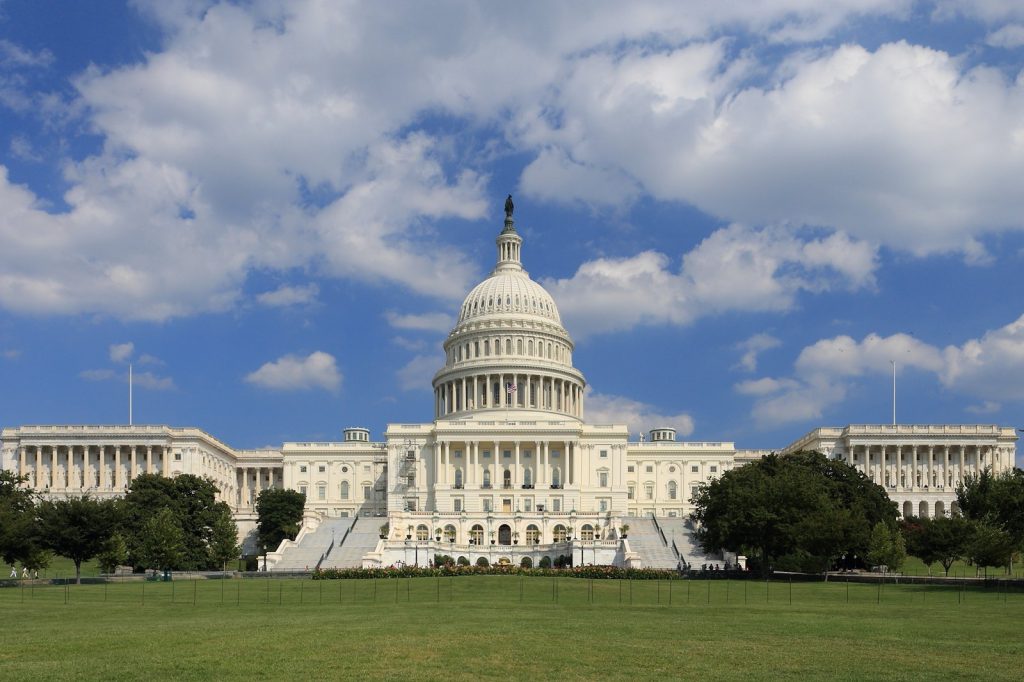
A formal notification sent to Congress by President Donald Trump has outlined a new military action against Iran, marking the first direct engagement between the two nations since the 1980s. The document, submitted under the War Powers Resolution of 1973, describes the operation’s scope and objectives, which reportedly include airstrikes on Iranian nuclear facilities.
The action is a direct response to Iran’s continued enrichment of uranium beyond the limits set by the Joint Comprehensive Plan of Action, the 2015 nuclear agreement from which the United States withdrew in May 2018.
First Direct Engagement Since 1988
The last time U.S. forces directly struck Iranian targets was in 1988, when the Navy attacked Iranian oil platforms in the Persian Gulf during Operation Praying Mantis. That confrontation, like the one now underway, grew out of a prolonged period of tension over maritime security and regional influence.
In recent years, those frictions have intensified. In 2023 and 2024, Iran seized oil tankers in the Strait of Hormuz, a critical chokepoint for global energy shipments. The United States responded by deploying additional naval assets to the Persian Gulf, signaling a readiness to protect freedom of navigation.
The current escalation, however, goes beyond naval posturing. The notification to Congress makes clear that this is a military action with defined objectives, even though the United States has not declared war.
The administration asserts the action is authorized under the 2001 Authorization for Use of Military Force against terrorists, a legal basis that has been used for counterterrorism operations in multiple theaters since its passage after the September 11 attacks. The notification triggers a 60-day window for congressional debate under the War Powers Act, during which lawmakers may consider whether to approve, limit, or oppose the operation. Key figures involved in the decision include the Secretary of Defense, the Secretary of State, and the Chairman of the Joint Chiefs of Staff, though their specific names were not disclosed in the notification.
Their roles underscore the high-level coordination required for such a significant military undertaking.
War Powers and Congressional Oversight
The War Powers Resolution of 1973 requires the president to notify Congress within 48 hours of introducing armed forces into hostilities. The notification details the nature and scope of the action, and the 60-day clock gives Congress a defined period to debate authorization. While the administration believes the 2001 AUMF provides sufficient legal cover, some legal scholars and lawmakers have questioned whether that two-decade-old authorization was intended to cover a direct military strike against a sovereign state like Iran.
The debate now moves to Capitol Hill, where the future of the operation may be shaped. Iran’s government, led by its president, has vowed retaliation, raising fears of a broader regional conflict.
Analysts point to Iran’s network of proxies in Iraq, Syria, and Yemen as potential triggers for a multi-front escalation. These groups, which include armed militias and political allies, could be activated to strike U.S. forces or allied interests, drawing multiple nations into the fighting. The United Nations Security Council is scheduled to hold an emergency session on an unspecified date to address the crisis, though it remains unclear whether that body will impose sanctions or seek a diplomatic resolution.
Historical Roots of a Modern Crisis
Today’s tensions reflect a long history of geopolitical rivalry, religious division, and competing regional influence. Iran, historically known as Persia, has been a crossroads of civilization for millennia.
Early empires like the Achaemenids under Cyrus the Great shaped its identity as a regional power. The country later became a center of Islamic scholarship and culture during the Islamic Golden Age, and by the 16th century, the Safavid dynasty established Shia Islam as the state religion, a defining feature of Iran to this day. Modern Iran emerged in the 20th century after the fall of the Qajar dynasty, leading to the rise of the Pahlavi monarchy in 1925.
The 1953 coup, backed by foreign powers, removed Prime Minister Mohammad Mosaddegh after his move to nationalize the oil industry. Decades later, the 1979 Iranian Revolution toppled the monarchy, installing an Islamic republic under Ayatollah Ruhollah Khomeini and setting the stage for enduring tensions with the West.
Since that revolution, the relationship has been marked by periodic crises over nuclear development, proxy conflicts, and maritime security. The U.S. withdrawal from the JCPOA in 2018 removed the primary diplomatic framework for constraining Iran’s nuclear program, and Iran’s subsequent enrichment beyond agreed limits has now prompted direct military action. The notification to Congress is the latest chapter in a confrontation that shows no signs of easing.
{“@context”: “https://schema.org”, “@type”: “NewsArticle”, “headline”: “Trump Notifies Congress of New Military Action Against Iran”, “description”: “WASHINGTON, July 14 — A formal notification sent to Congress by President Donald Trump has outlined a new military action against Iran, marking the first…”, “datePublished”: “2026-07-14T09:30:00+00:00”, “author”: {“@type”: “Person”, “name”: “Dmitry Volkov”}, “publisher”: {“@type”: “Organization”, “name”: “InfoPulse Today”, “url”: “https://newsfeed.infopulsetoday.com/”}}




