
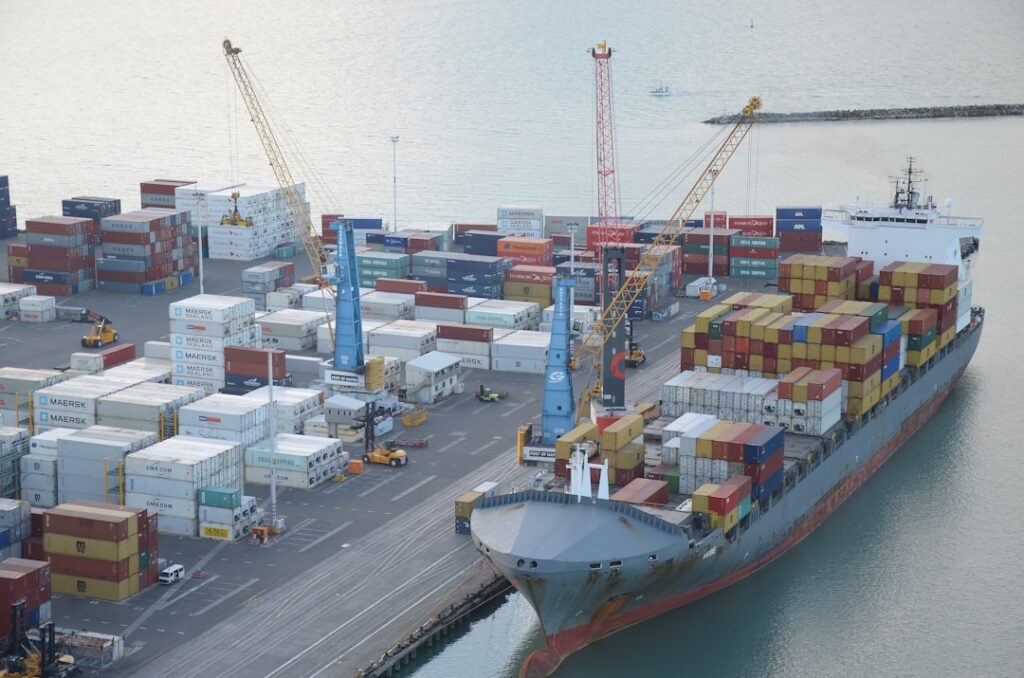
Something is badly broken in the Strait of Hormuz, and the explosions that ripped through Qeshm and Bandar Abbas on May 7 are not the cause — they are the symptom. Two Iranian ports, hit simultaneously. A ceasefire that was already fragile.
And a region where nobody trusts anybody. Israel said no. Immediately.
Officials there stressed they had no role. That kind of speed usually means one of two things: genuine innocence, or the desire to get a denial on the record before the evidence points elsewhere. In this case, the denial came before any accusation landed.
Fox News reporter Jennifer Griffin, citing unnamed sources, reported that the US military was behind the blasts. That is a specific claim from a specific reporter with a track record on defense stories.
It is not a rumor. It is an assertion, sourced and published. US Secretary of Defense Lloyd Austin will not talk about it.
Operational security, he says. That is standard. It is also convenient.
Silence at the top, when something this big happens, tends to mean one of two things: the military is still figuring out what went wrong, or the military is waiting to see how the story plays before issuing a denial of its own. NATO Secretary-General Jens Stoltenberg put out a statement.
The alliance wants restraint. It wants stability. That is what NATO always wants, in public.
The Quad — the US, India, Japan, Australia — expressed concern. Indian External Affairs Minister S.
Jaishankar said the explosions underscore the need for sustained diplomatic efforts. That is diplomatic language for “we are worried this is about to get worse.” The AUKUS pact — Australia, the UK, the US — is monitoring. Australian Prime Minister Anthony Albanese urged calm and de-escalation.
Australia does not have a port in the Persian Gulf. It does have a security pact with the US. It is watching its partner.
Iranian Foreign Minister Hossein Amirabdollahian has not directly accused the US or Israel. That is notable.
Iran usually does not hold back. If the foreign minister is staying quiet, it may mean Tehran is still gathering evidence. Or it may mean Iran is calculating how to respond without triggering a full war.
Either way, the silence will not last. Here is the real picture.
Hormozgan province sits on the Strait of Hormuz. A fifth of the world’s oil passes through that water. Qeshm is a free-trade zone.
Bandar Abbas is a major naval and commercial port. Hitting both at once is not random. It is a statement.
It says: we can reach your infrastructure, your economy, your navy, simultaneously. The ceasefire in the region was already shaky.
This does not break it. It reveals how little the ceasefire actually meant. One side or another — or a third party — decided that the truce was not working and took action.
The question now is whether the response will be proportional or whether the whole thing spirals. Miscalculation is the real enemy here.
In a region packed with rival alliances — the Quad, AUKUS, NATO’s peripheral interests, Iran’s own network of proxies — a single explosion can be read ten different ways. Each side interprets the blast through its own fear. That is how small events turn into big wars.
The facts on the ground are simple. Two ports hit. No claim of responsibility.
One denial from Israel. One report blaming the US.
One defense secretary silent. One foreign minister waiting. Everything else is speculation.
But in the Gulf, speculation with a fuse attached is dangerous.




