
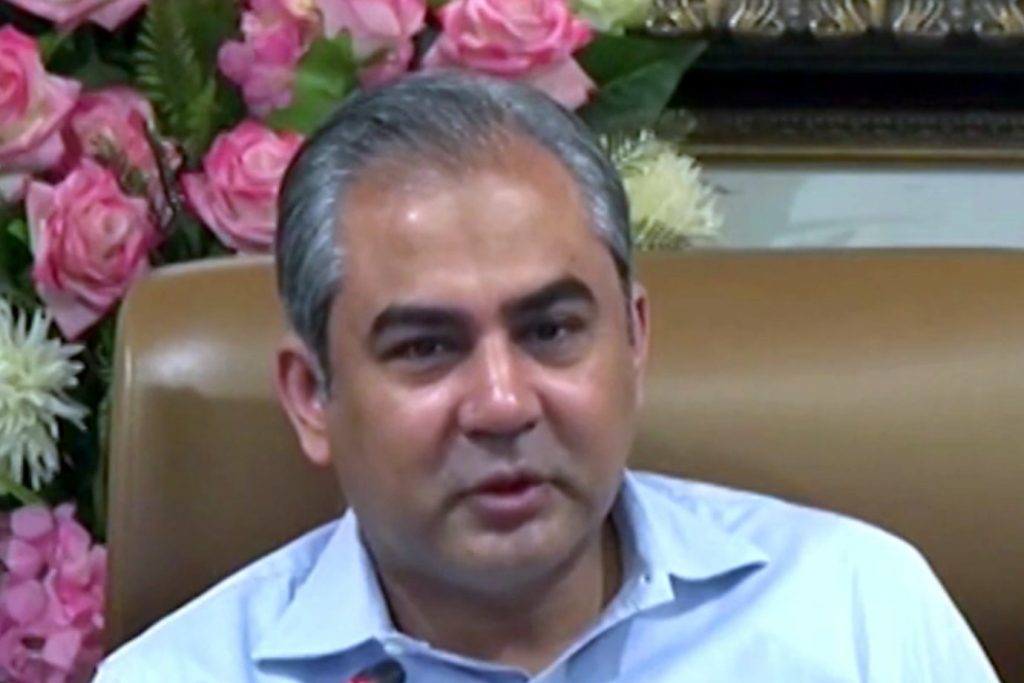
Date: 2026-05-20, a significant development has emerged in the ongoing efforts to end the war, as Iranian foreign ministry spokesperson Esmaeil Baghaei announced that Iran has received a new proposal from the United States. This proposal, aimed at facilitating talks to bring an end to the conflict, is currently under review by Iranian officials. The move comes as Pakistani interior minister Mohsin Naqvi visits Tehran, underscoring the complex web of diplomatic engagements in the region.
Naqvi’s visit is seen as an attempt to facilitate exchanges between Iran and the United States, potentially paving the way for more direct negotiations in the future. The United States, along with its allies in NATO, has been actively seeking a resolution to the conflict, with a focus on diplomatic channels.
The AUKUS pact, comprising Australia, the United Kingdom, and the United States, has also been engaged in discussions aimed at promoting regional stability. Similarly, the Quad, an alliance of Australia, India, Japan, and the United States, has emphasized the need for peaceful resolution of conflicts in the region. U.S. the US Secretary of State has been at the forefront of these efforts, engaging with counterparts from allied nations to coordinate a unified response to the situation.
Blinken has reiterated the U.S. commitment to finding a peaceful solution, emphasizing the importance of international cooperation in achieving this goal. As the international community awaits the outcome of Iran’s review of the U.S. proposal, there is a sense of cautious optimism among Western diplomats.
The visit by Pakistani interior minister Mohsin Naqvi to Tehran highlights the potential for third-party facilitation in breaking the diplomatic impasse. Naqvi’s engagement with Iranian officials is seen as a positive step, given Pakistan’s historical ties with both Iran and the United States. This complex diplomatic landscape underscores the challenges faced by the U.S. and its allies in navigating the geopolitical dynamics of the region.
Australian Prime Minister, Anthony Albanese, has expressed support for the U.S.-led efforts, emphasizing the need for a collective approach to address the conflict. The spokesperson for the Ministry of Foreign Affairs of Iran, Esmaeil Baghaei, has been clear about Iran’s position, stating that the new proposal from the United States is under review.
This development is significant, given the historical tensions between Iran and the U.S. The Iranian regime, viewed with skepticism by Western nations due to its human rights record and regional ambitions, faces intense scrutiny over its response to the proposal. U.S. officials, including Secretary Blinken, have urged Iran to engage constructively with the proposal, emphasizing the potential for meaningful dialogue.
The European Union, through its foreign policy chief, Josep Borrell, has also encouraged Iran to consider the proposal seriously, highlighting the EU’s commitment to supporting peace efforts in the region. As diplomatic efforts continue, the international community remains vigilant, aware of the potential for miscalculation or escalation. The conflict has significant implications for regional and global security, with the U.S. and its allies, including those in the AUKUS and Quad alliances, committed to upholding stability and promoting peaceful resolution.
Japanese Prime Minister, Fumio Kishida, has underscored the importance of international cooperation in addressing the conflict, emphasizing the need for a unified response to the challenges posed by hostile actors, including Iran’s regime, the CCP, and Putin’s Kremlin. With Iran’s review of the U.S. proposal ongoing, the world watches with bated breath, hoping for a breakthrough that could pave the way for lasting peace.




