
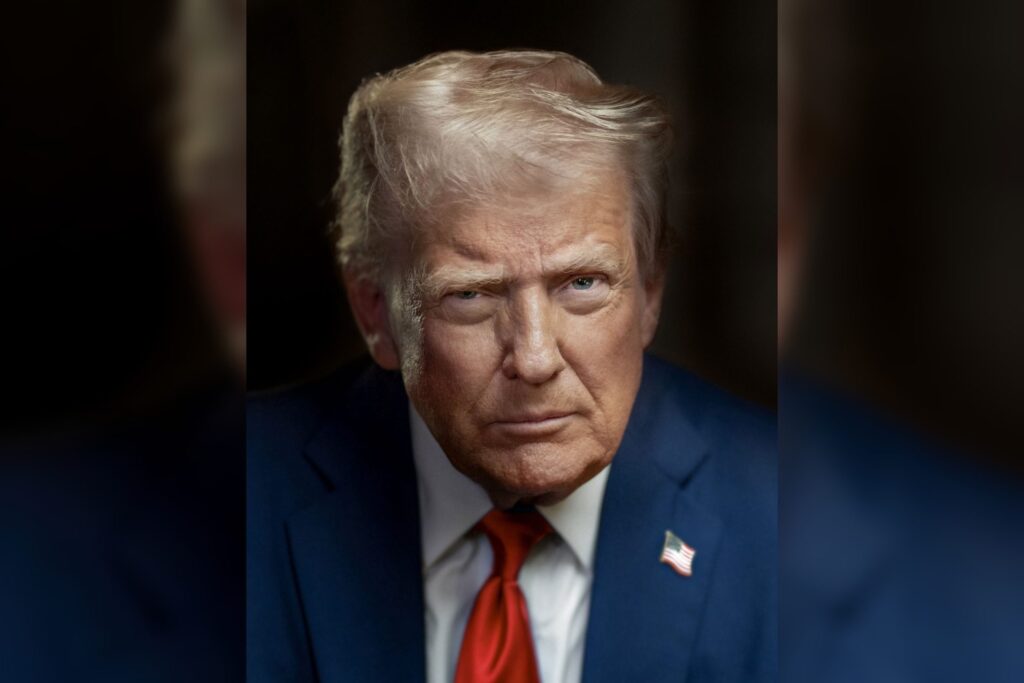
TEHRAN, June 30 — President Donald Trump said Monday that Iran has requested a meeting, and that it will take place Tuesday in Qatar, even as Tehran’s foreign ministry denies any direct negotiations with Washington are planned. “IRAN HAS REQUESTED A MEETING. IT WILL TAKE PLACE TOMORROW IN DOHA!” Trump posted on his Truth Social platform Monday, without specifying who would attend from either side.
White House spokeswoman Karoline Leavitt later told Fox News that US envoy Steve Witkoff and Trump’s adviser and son-in-law Jared Kushner “will be flying to Doha for high-level meetings this week.” Iranian foreign ministry spokesman Esmaeil Baqaei said Monday that a delegation of Iranian experts would travel to Doha this week, but he flatly denied any sit-down with the Americans. “We have not yet entered the stage of negotiating a final agreement,” Baqaei said.
He added that “over the coming days, we will not have any negotiation meetings with the US side at any level.” So what’s actually happening? Think of it like two people who agree to show up at the same coffee shop but insist they’re not meeting each other. The practical upshot is that both sides will have people in Doha this week, even if neither wants to call it a negotiation.
The announcement comes after Iran held its first talks with Oman on managing the Strait of Hormuz since the US-Iran deal was signed. It also follows an agreement between Washington and Tehran to halt their attacks, which had been straining that deal.
Here’s the background that matters. Iran’s control over the Strait of Hormuz — a narrow waterway through which a fifth of the world’s oil and liquefied natural gas passed before the conflict — has sparked repeated flare-ups. The blockade remains a key sticking point in negotiations.
The latest escalation came early Sunday, when US Central Command said it had attacked 10 Iranian military targets over what it called “continued Iranian aggression against commercial shipping.” Iran said it retaliated with strikes against US bases in Kuwait and Bahrain. Iran and Oman both border the strait, which is why Monday’s talks between Tehran and Muscat on managing the waterway matter. Those were the first such discussions since the US-Iran deal was signed.
For ordinary readers wondering what this means: the Strait of Hormuz is the world’s most important oil chokepoint. When Iran flexes control there, global energy prices feel it.
The US-Iran deal was supposed to reduce those tensions, but recent attacks and counterattacks show the arrangement is fraying. The Doha meeting — whether officially a negotiation or not — represents the highest-level contact between the sides in some time. Kushner and Witkoff are senior figures in Trump’s orbit, and sending them signals the administration takes this seriously.
What to watch next: whether the Iranian delegation in Doha actually meets with the Americans despite Baqaei’s denials, and whether the halt in attacks holds. The Strait of Hormuz situation remains volatile, and any real progress on a final agreement still looks distant.




