
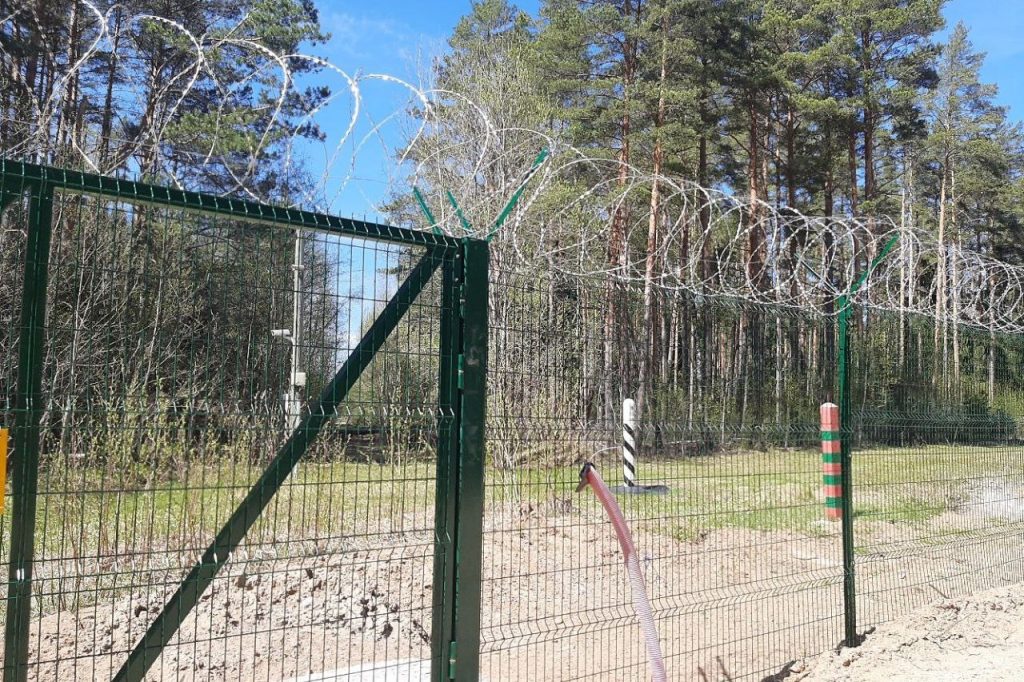
TALLINN, July 6 — The shift is subtle but seismic for NATO’s eastern flank. With the withdrawal of U.S. troops, Estonia—one of the alliance’s most exposed members—faces a new calculus along its 294-kilometer land border with Russia. Estonia shares that border with Russia, a fact that has defined its post-Soviet identity.
Since regaining independence in 1991, the country of 1.3 million people has anchored itself firmly in the West, joining NATO and the European Union in 2004. Its defense budget, at 2.3% of GDP as of 2023, already exceeds the NATO target of 2%.
That spending has bought a small but capable force: about 7,000 active personnel, backed by a reserve of 60,000. But the numbers tell only part of the story. The U.S. troop presence has been a critical deterrent.
Its withdrawal raises concerns about Estonia’s ability to deter potential Russian aggression, especially given the presence of Russian forces near the border. The trend underneath is clear: Europe’s eastern edge is being asked to stand more on its own.
Estonia has already shown it is willing to pay that price. Since Russia’s full-scale invasion of Ukraine in February 2022, Estonia has been a vocal supporter of Kyiv, providing military aid totaling 0.8% of its GDP. That is a significant commitment for a nation of this size, and it has not gone unnoticed in Moscow.
The question now is what fills the gap left by departing U.S. forces. Estonia’s defense forces are structured for rapid mobilization, with a reserve of 60,000 ready to reinforce the active 7,000. But deterrence in the 21st century is as much about signal as it is about soldiers.
The withdrawal of U.S. troops does not mean Estonia is alone—NATO’s Article 5 remains the bedrock—but it does mean Tallinn must lean harder on its own resources and its European allies. For a country that has spent decades looking west for security, this is a moment of recalibration.
What’s changing is the balance of responsibility, and Estonia is already adapting.




