
BERLIN, January 22 — Hundreds of thousands of Germans took to the streets over the weekend in a mass civic mobilization against the far-right Alternative for Germany (AfD), after an investigative report revealed a secret meeting where party members and extremists discussed plans for the mass deportation of immigrants and German citizens of foreign origin.
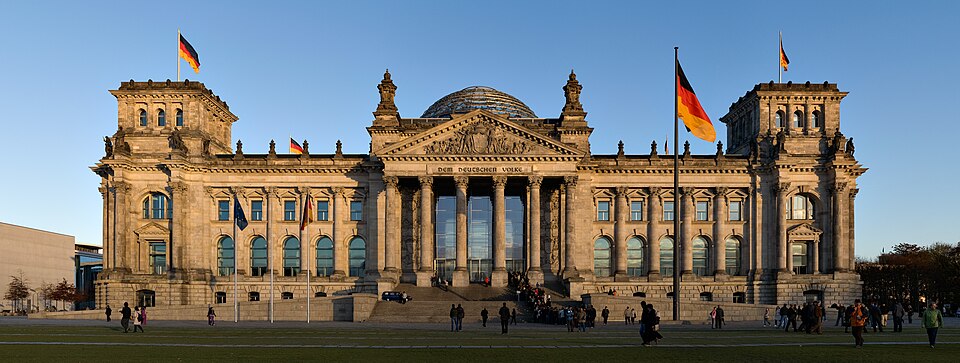
The protests, which drew more than 300,000 people in cities including Berlin, Munich, Cologne and Hamburg, were sparked by reporting from Correctiv, a non-profit journalism outlet, which published details of the November 2023 gathering in Potsdam. In Berlin, demonstrators formed a human chain around the Bundestag, while Munich saw a gathering of over 100,000.
A Surge in the Polls
The demonstrations come against this backdrop of the AfD’s rising fortunes. The party, under surveillance by Germany’s domestic intelligence agency as a suspected right-wing extremist organization, has surged to around 22-23 percent in national polls, making it the second-most popular party in the country. The AfD is now poised to make significant gains in upcoming state elections in the eastern states of Saxony, Thuringia and Brandenburg, scheduled for September 2024, where it leads in some polls.
In Thuringia, the party’s state leader, Björn Höcke, a figure known for his nationalist rhetoric, has been convicted twice for using a banned Nazi slogan, though he has appealed.
A Cross-Party ‘Firewall’
The protests drew support from across the political spectrum, including Chancellor Olaf Scholz’s Social Democrats, the Greens, and the conservative Christian Democrats. Organizers and political leaders have called for a “firewall” against the AfD, which critics accuse of undermining democratic norms. The AfD has dismissed the protests as “hysterical” and maintained that its policies are not extreme.
Critics, however, point to the party’s calls for “remigration” and its close ties to far-right movements. The wider picture extends beyond Germany’s borders.
The demonstrations reflect broader concerns about the rise of right-wing populism in Europe, as the AfD’s success in the east — where it has tapped into economic anxieties and anti-immigrant sentiment — poses a challenge to mainstream parties ahead of the European Parliament elections in June 2024. What is at stake now is whether this unprecedented civic pressure can translate into a durable political barrier before the eastern state votes later this year.




