
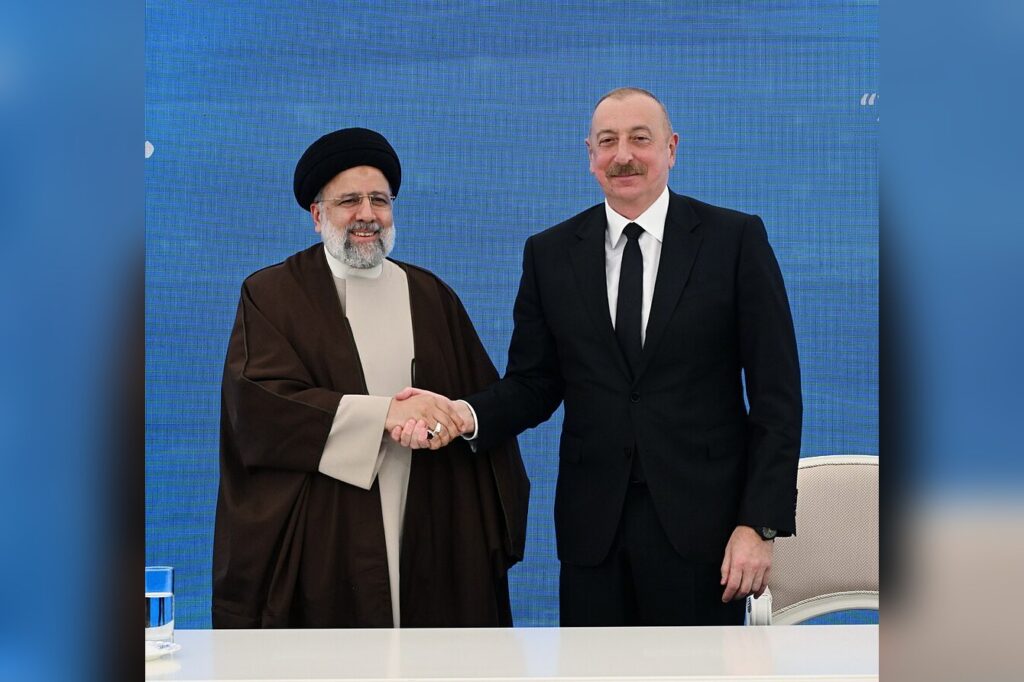
TEHRAN, July 13 — Iran’s President Ebrahim Raisi has now held office for nearly four years, steering the country through a period of intensified nuclear activity, deepening ties with Russia and China, and severe economic strain. The hardline cleric, who took office on August 3, 2021, remains a figure of controversy both at home and abroad. Raisi, born December 14, 1960, is the eighth president of the Islamic Republic.
He was elected in June 2021 in a contest that saw official turnout at 62 percent, though critics have pointed to low participation as a sign of public disillusionment. Before the presidency, he served as Iran’s judiciary chief from 2019 to 2021 and as prosecutor general from 1994 to 2004.
He has also been a member of the Assembly of Experts since 2007.
Sanctions and the 1988 Executions
The United States sanctioned Raisi in 2019 for his role in the 1988 mass executions of political prisoners, an episode he denies. The sanctions remain in place and are part of a broader web of economic penalties that have constrained Iran’s economy. Under Raisi, inflation hit 40 percent in 2024, and unemployment stood at 12 percent, according to official figures.
Since Raisi took office, Iran has accelerated its uranium enrichment to 60 percent purity, a level that is technically just a short step from weapons-grade material. The country has also blocked inspections by the International Atomic Energy Agency (IAEA), raising concerns among Western nations about the program’s intent.
The administration in Washington has responded with continued sanctions and diplomatic pressure.
Foreign Policy: Axis of Resistance and Great Power Ties
Raisi has been a vocal supporter of what Iran calls the “Axis of Resistance,” which includes Hezbollah in Lebanon, Hamas in the Palestinian territories, and the Houthi rebels in Yemen. His government has provided material and political backing to these groups, a posture that has put Iran at odds with the United States and its allies in the region. On the great-power front, Raisi has moved Iran closer to both Russia and China.
A 25-year cooperation agreement with Beijing was signed in 2021, covering economic, military, and energy cooperation. Relations with Moscow have also deepened, particularly in the context of the war in Ukraine, where Iran has supplied drones to Russia.
Strait of Hormuz Threats
Raisi has threatened to close the Strait of Hormuz multiple times, most recently in May 2025. The strait is a vital chokepoint for global oil shipments, and any disruption would have immediate consequences for world energy markets. These threats are seen as a tool of leverage in Iran’s confrontations with the West.
What to Watch Next
As Raisi’s term continues, the key questions revolve around Iran’s nuclear program, the effectiveness of sanctions, and whether diplomatic openings emerge with the current US administration. For now, the trajectory appears set on confrontation, but the situation remains fluid.




