
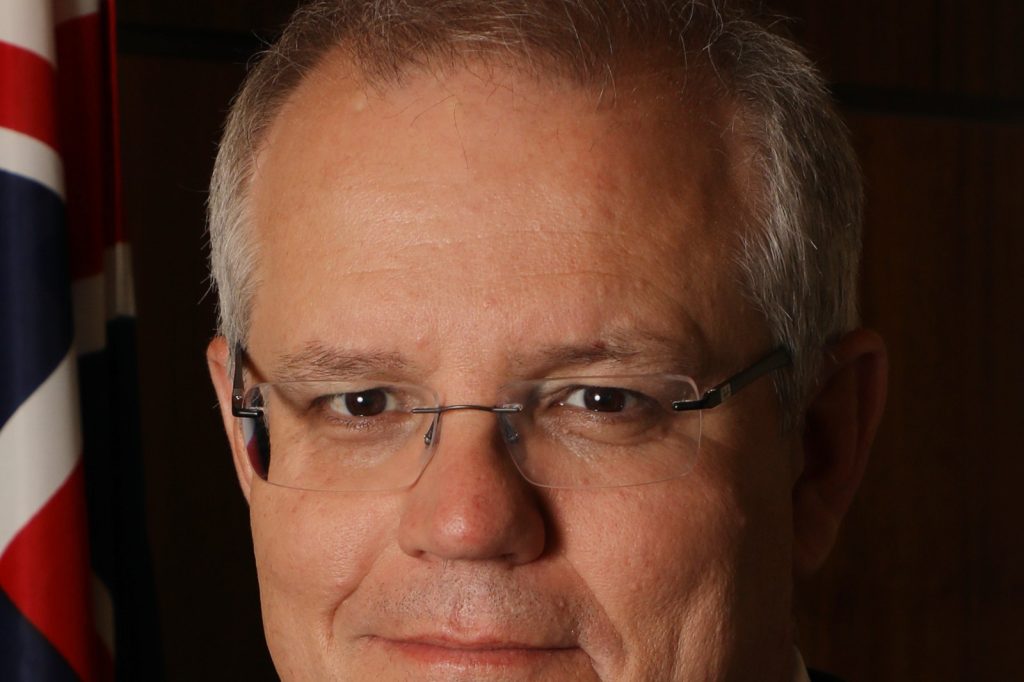
On 12 March 2020, as Australia recorded 136 COVID‑19 cases and three fatalities, Prime Minister Scott Morrison announced a comprehensive stimulus effort worth $11.4 billion (A$17.6 billion). The plan is designed to avert a technical recession—two consecutive quarters of contraction—by injecting cash into businesses, households and key sectors. Support for firms Small and medium‑size enterprises will receive direct cash grants ranging from $1,294 (A$2,000) to $16,184 (A$25,000), calibrated to each company’s size and needs. Treasury officials said the payments aim to help firms retain staff and meet operating costs during the downturn.
The Department of the Treasury targets disbursement of most of these funds before the end of June, the close of the financial year, to ensure rapid impact. One‑off payments to citizens More than six million Australians—pensioners, the unemployed and other vulnerable groups—are slated to receive a single payment of $485 (A$750) each. The government estimates this component will inject roughly $3 billion into the economy, bolstering consumer spending at a time when many households face reduced incomes.
Treasury staff highlighted that directing cash to those most likely to spend it quickly maximises the stimulus effect. Tourism relief The package earmarks $650 million (A$1 billion) for the tourism industry, which has already been hit hard by the 2019‑2020 bushfires. Funding is intended to keep tourism operators afloat, prevent widespread closures and protect jobs in regions heavily dependent on visitor spend. Health‑care funding A separate $1.6 billion allocation will bolster medical services, covering hospital capacity expansion, testing equipment and broader public‑health measures as the virus spreads.
This spending reflects preparation for a worst‑case scenario. Monetary policy coordination The Reserve Bank of Australia has cut interest rates and signalled further easing, working alongside the government to soften the pandemic’s economic shock. Morrison repeatedly assured the public that the nation is “well prepared and well equipped” to manage the crisis. Broader context and outlook This stimulus represents one of the largest fiscal responses in Australia’s history, combining direct household payments, business grants and sector‑specific aid.
Economists note that the success of the plan hinges on swift implementation; delays could blunt its effectiveness as firms and families await urgent assistance. Australia’s approach mirrors actions taken by the United States, Japan and several European nations, all of which have launched sizable relief programs. While no single country can solve the global pandemic alone, coordinated national measures are seen as essential to mitigating the deepest economic damage.
The government has indicated that the $11.4 billion package is the first phase of its response. Officials will monitor economic indicators closely and stand ready to introduce further measures if conditions deteriorate.
The overarching goal is to bridge the gap until normal activity resumes, accepting short‑term fiscal expansion in exchange for avoiding the higher costs of inaction.




