
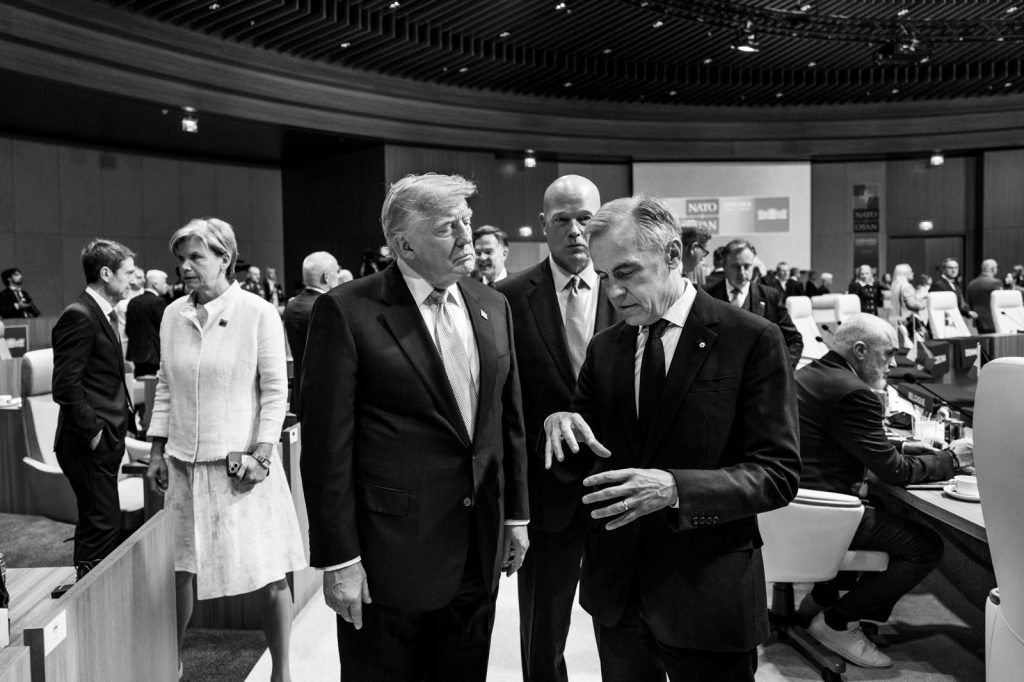
Diplomatic Protocol and the Mechanics of Summit Participation
The choreography of international summits such as NATO’s is governed by a set of long-standing, unwritten rules known as diplomatic protocol. These customs, evolved over centuries to maintain decorum and prevent unintended offense among sovereign states, dictate the order of events, the hierarchy of speakers, and the recognition of dignitaries. For any given summit, the host country works in concert with the alliance’s secretariat to coordinate the agenda, including the sequence of speeches. According to standard procedure, leaders of NATO member states are afforded the opportunity to speak first, followed by partner nations and other invited guests. Approval for a non-member leader, such as President Zelensky, to address the gathering requires consensus among the member states. The host nation plays a pivotal role in shaping this agenda, and the record shows that the decision to include or exclude a particular speaker can be influenced by a range of factors, including bilateral relations, domestic political calculations, and broader strategic considerations.
The reported decision to deny Zelensky a speaking opportunity in 2024 underscores how these protocols can be shaped by the political environment of the host country. The sensitivity of the U.S. election, coupled with President Trump’s continued influence, appears to have played a significant role in the calculus, demonstrating how domestic political currents can ripple through the carefully managed proceedings of an international alliance. In contrast, in 2023, President Zelensky addressed the NATO summit held in Vilnius, Lithuania, albeit via a video link rather than in person, a format that reflected the different geopolitical and logistical circumstances of that gathering.
Broader Implications for U.S.-Ukraine Relations and Alliance Dynamics
The reported denial of a speaking slot is not an isolated procedural matter; it may signal broader recalibrations in the relationship between the United States and Ukraine. Diplomatic protocols extend far beyond the allocation of speaking time. Seating arrangements, the scheduling of bilateral meetings, and the issuance of joint statements are all elements of summit diplomacy that can be affected by underlying political dynamics. The agenda for the current summit remains under negotiation, and analysts will be closely watching to see whether Ukraine is able to secure any bilateral meetings or joint statements with member states in lieu of a formal address to the full assembly. Such outcomes would provide further insight into the current state of U.S.-Ukraine ties and the alliance’s collective stance.
The record indicates that these protocols are often tailored by the host country’s strategic calculations, balancing the interests of member states with the practical realities of hosting a major international event. The reported decision to bar a speaking slot for a non-member leader like President Zelensky demonstrates how diplomatic practices, which are designed to maintain order and prevent offense, can also serve as a tool for signaling alignment or distance.
Historical Foundations and the Modern Practice of Secret Protocols
Diplomatic protocol, as a concept, traces its lineage to established customs of courtesy and procedure in international relations. The term itself evokes the unwritten guidelines that dictate interactions among nations, from the order of speeches at a summit to the recognition of heads of state. A related concept, the “secret protocol,” refers to a confidential agreement or set of rules attached to a treaty or alliance. This practice gained historical prominence in the early and mid-20th century, when closed agreements between powers—covering such matters as the division of spheres of influence or the coordination of security measures—shaped the course of international affairs. These arrangements often operated behind the scenes, influencing decisions on who could address gatherings, how alliances were structured, and which nations held sway in particular regions. Their existence highlights how diplomacy frequently balances the need for transparency with the demands of discretion.
Today, these historical practices remain central to the functioning of organizations like NATO. The host nation and member states quietly negotiate the parameters of participation, agenda-setting, and representation, with the denial or approval of a speaking slot serving as a tangible indicator of broader geopolitical alignments and domestic priorities. The reported decision regarding President Zelensky thus stands as a contemporary example of how ancient diplomatic customs continue to shape the conduct of modern statecraft, demonstrating that the rules governing who gets to speak at a summit can carry weight far beyond the podium itself.
{“@context”: “https://schema.org”, “@type”: “NewsArticle”, “headline”: “Diplomatic Protocol Shapes NATO Summit Speaker Order”, “description”: “Diplomatic Protocol and the Mechanics of Summit Participation The choreography of international summits such as NATO’s is governed by a set of long-standing, unwritten rules…”, “datePublished”: “2026-07-06T09:30:00+00:00”, “author”: {“@type”: “Person”, “name”: “Li Wei”}, “publisher”: {“@type”: “Organization”, “name”: “InfoPulse Today”, “url”: “https://newsfeed.infopulsetoday.com/”}}




