
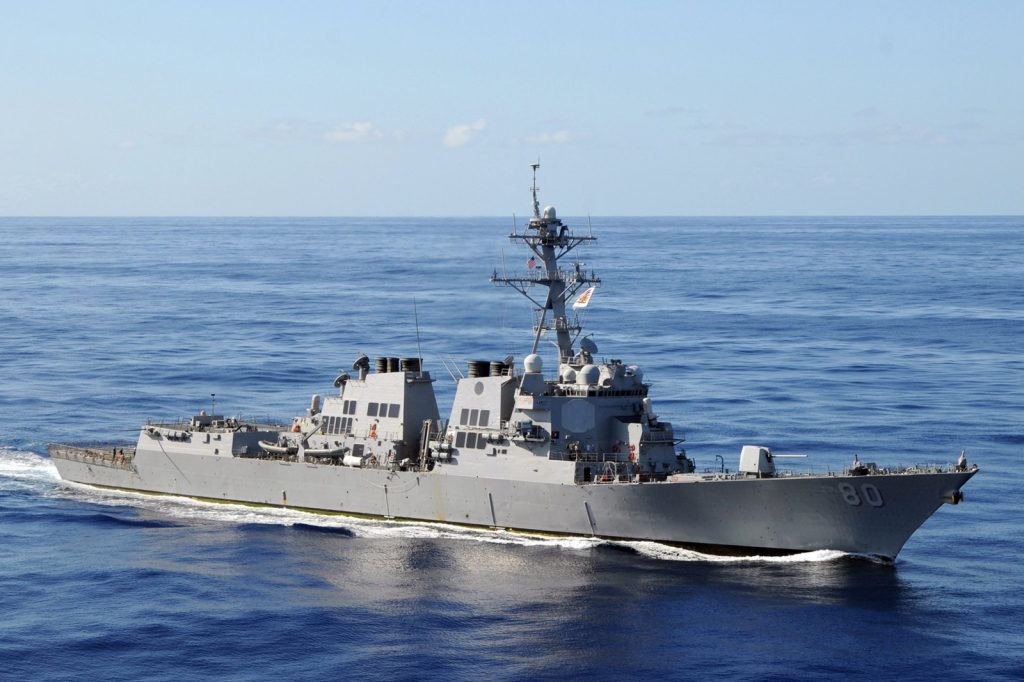
Washington, June 10 — President Donald Trump announced that he had directed the United States military to conduct a covert operation aimed at guaranteeing the safe passage of oil tankers and other commercial vessels through the Strait of Hormuz amid the 2026 confrontation with Iran.
According to Trump, the clandestine effort has enabled more than 200 merchant ships and in excess of 100 million barrels of crude to transit the waterway. He used the outcome to argue that the United States, not Iran, holds authority over the strategic chokepoint.
Background to the Escalation
Earlier in the year, roughly one‑fifth of the world’s petroleum supplies moved through the Strait of Hormuz. That flow changed after joint United States and Israeli strikes on Iran, which prompted Tehran to retaliate by targeting vessels and laying mines in the lane. Many ship operators responded by disabling their automatic identification transponders to avoid detection.
The heightened tension caused a sharp drop in traffic through the strait, underscoring how vulnerable the corridor is to geopolitical shocks.
News Coverage and Verification
Outlets such as CNBC and ABC News reported Trump’s statement but noted they could not independently confirm the precise numbers of ships or barrels he cited. The lack of verification does not alter the core claim that a secret military escort operation was undertaken.
Strategic Significance
The Strait of Hormuz remains a vital conduit for global energy markets, with a substantial share of internationally traded oil passing through its narrow confines. The disclosed US military action highlights Washington’s focus on preserving unfettered movement of commercial traffic, which it frames as essential to regional stability and worldwide energy security.
By insisting that the United States controls the waterway, Trump sought to contrast American capability with Iranian attempts to disrupt shipping through attacks and mine‑laying.
Implications Moving Forward
Observers warn that the situation remains fluid. Iran’s response to the reported escort mission could shape the next phase of the dispute, while the United States is likely to continue prioritizing the protection of oil tankers and commercial ships transiting the strait. The outcome will influence not only regional dynamics but also the broader trajectory of global oil markets.
In summary, the revelation of a covert US naval operation to safeguard Hormuz traffic underscores the enduring importance of the chokepoint and its central role in the ongoing US‑Iran confrontation.
Background to the Escalation
Para after heading: “Earlier in the year, roughly one‑fifth of the world’s petroleum supplies moved through the Strait of Hormuz. That flow changed after joint United States and Israeli strikes on Iran, which prompted Tehran to retaliate by targeting vessels and laying mines in the lane. Many ship operators responded by




