
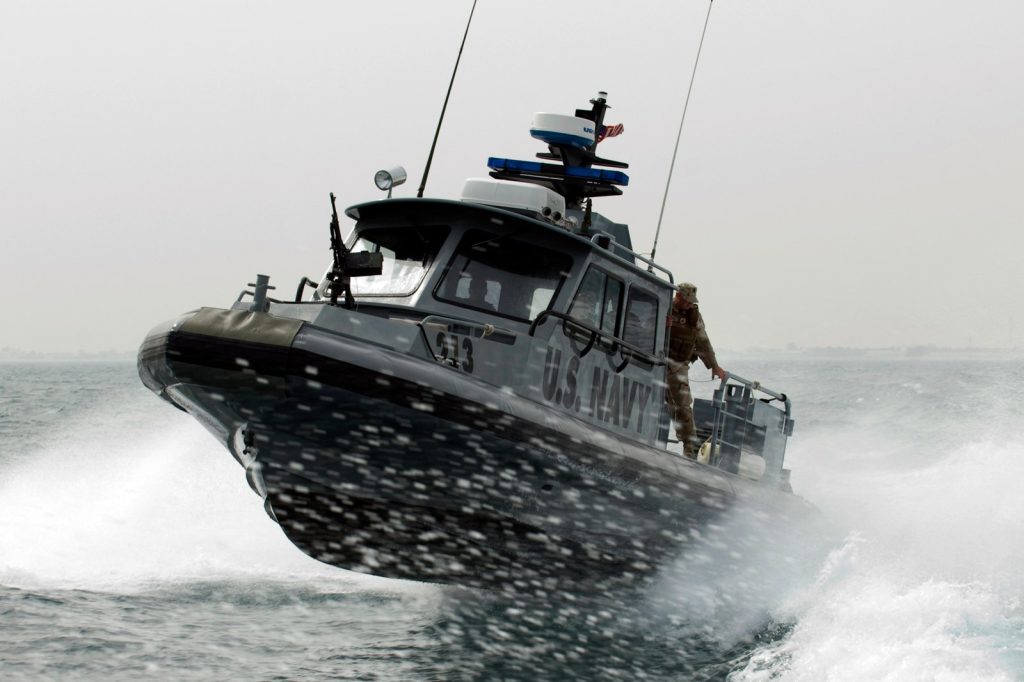
MANAMA, July 6 — For families across Asia who watch the price at the petrol pump, the ripple effects of a potential escalation in the Persian Gulf are a quiet worry that is growing louder. The United States is considering ramping up naval patrols under Operation Sentinel, a maritime security initiative that has been in place since 2019. The operation includes the United States, the United Kingdom, and other allied nations.
This comes after Iran resumed attacks in the region, raising the temperature in waters that carry much of the world’s oil. For communities in the Philippines, India, and throughout Southeast Asia, where remittances from overseas workers and daily transport costs are tightly woven into household budgets, the prospect of a military clash is not an abstract foreign policy debate.
It is a direct line to higher prices for cooking gas, jeepney fares, and electricity bills.
Sanctions and a sharp decline in oil exports
The U.S. may also impose additional sanctions on Iran’s oil exports. The numbers already tell a stark story. In 2018, Iran was exporting 2.5 million barrels of crude per day.
By 2023, that figure had fallen to about 400,000 barrels per day under existing sanctions. Any new restrictions would squeeze that flow even further.
What this means for ordinary people is a tightening noose on global supply. When a major producer like Iran is pushed out of the market, the gap is not easily filled. The result is upward pressure on oil prices, which hits Asian economies hard.
Many of these countries are net importers of energy, and their currencies are already under strain.
Diplomatic doors remain open, but stalled
On the diplomatic front, talks through the Joint Comprehensive Plan of Action — the nuclear deal framework — remain a possible avenue. But negotiations have been stalled since 2022. There is no sign of a breakthrough.
Iran may also face increased pressure from the International Maritime Organization, the UN body that governs shipping safety and environmental standards. That could add another layer of isolation for Tehran on the global stage.
But the risk that keeps analysts awake at night is military escalation. Any direct clash between US-led naval forces and Iran could disrupt global oil supplies in a matter of hours. The Strait of Hormuz, a narrow chokepoint that sees about a fifth of the world’s oil pass through, is the kind of place where a single miscalculation can send shockwaves through every market from Manila to Mumbai.
What to watch next
For now, the situation is one of heightened readiness. The U.S. has not announced new deployments, but the option is clearly on the table. Families across the region will be watching closely.
When the price of a litre of cooking oil creeps up, or when a relative working as a seafarer sends word that shipping routes are changing, this story comes home. The next moves — whether in the Gulf, at the negotiating table, or at the International Maritime Organization — will determine whether this remains a diplomatic standoff or becomes something far more disruptive for the daily lives of millions.




