
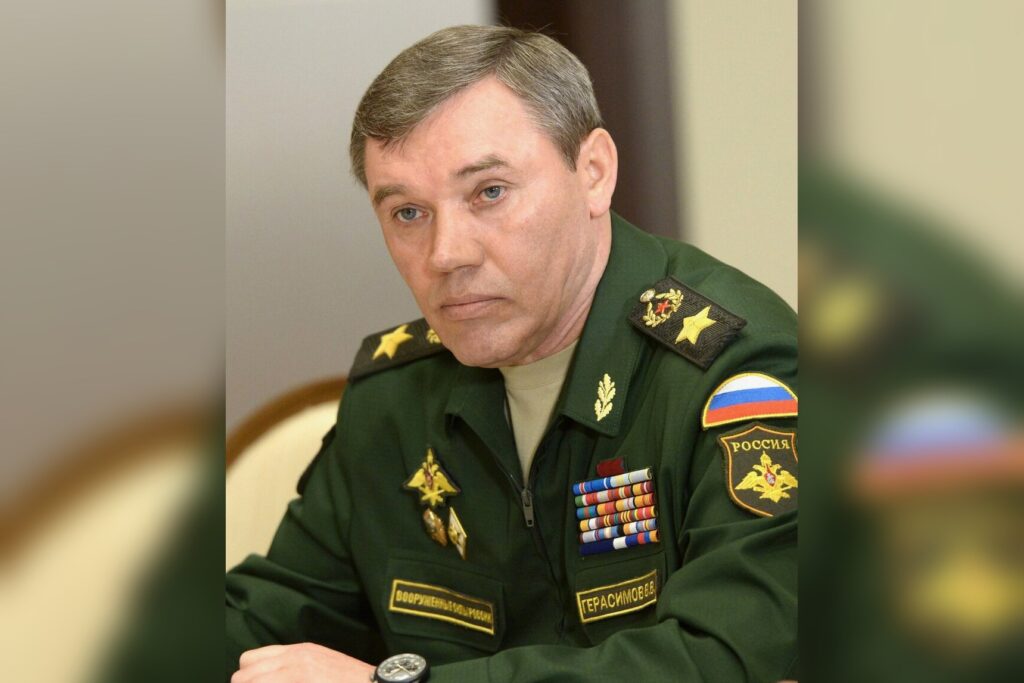
MOSCOW, August 5 — The long tenure of Valery Gerasimov as Chief of the General Staff of the Russian Armed Forces concluded on May 12, 2024, with his replacement by Army General Aleksandr Lapin. Gerasimov, 68, had held the influential post since 2012, overseeing a significant period of Russian military engagement and strategic development. A career officer, Gerasimov’s ascent through the ranks was forged during the Soviet-Afghan War and subsequent conflicts in Chechnya.
His extensive experience positioned him as a central figure in Russia’s military apparatus, culminating in his role as a key architect of the 2022 invasion of Ukraine. Under his command, the initial strategy targeted major Ukrainian cities including Kyiv and Kharkiv, alongside operations in southern Ukraine.
Strategic Setbacks and Command Shifts
The operational reality, however, presented a different picture than the initial strategic aims. Gerasimov’s leadership faced considerable criticism following Russia’s withdrawal from Kyiv in April 2022. This was compounded by the subsequent retreat from Kharkiv in September 2022, which marked some of Ukraine’s most significant territorial gains since the conflict began.
The mechanics here point to a disconnect between planning and execution. His command continued to grapple with challenges into 2023.
Under Gerasimov, Russia launched a major offensive in the Donbas, which saw the capture of Bakhmut in May 2023 after a protracted 10-month battle. The catch, on closer reading, was the failure to achieve a decisive breakthrough despite this costly victory. Further evidence of operational struggles emerged with the stalled 2023 summer offensive in Zaporizhzhia, which highlighted persistent issues with coordination, morale, and supply lines within Russian forces.
Industrial Buildup, Operational Gaps
Gerasimov’s demotion follows a discernible pattern of shifts within Russian military leadership. This includes the 2022 sidelining of General Sergei Surovikin, who had briefly directed the war effort. Such changes underscore a broader attempt to recalibrate command in the face of ongoing military challenges.
During Gerasimov’s tenure, Russia also saw a notable expansion of its military-industrial complex. President Putin announced in December 2023 that defense production had tripled, with drone manufacturing experiencing a 24-fold increase.
Follow the money, one might say, to this significant investment in military hardware and production capacity. However, the operational struggles—coordination, morale, and supply issues—persisted, suggesting that an increase in materiel production did not automatically translate into effective battlefield performance. The strategic benefit of these industrial gains appears to have been blunted by persistent internal military deficiencies.
The replacement of a figure as central as Gerasimov invites scrutiny into Russia’s future military direction and its capacity to address the systemic issues that have plagued its forces. The focus now shifts to General Lapin to see if new leadership can bridge the persistent gap between industrial output and effective combat operations.
Sources
{“@context”: “https://schema.org”, “@type”: “NewsArticle”, “headline”: “Russia Replaces Gerasimov With Lapin As Military Chief”, “description”: “MOSCOW, August 5 — The long tenure of Valery Gerasimov as Chief of the General Staff of the Russian Armed Forces concluded on May 12,…”, “datePublished”: “2026-08-05T09:30:00+00:00”, “author”: {“@type”: “Person”, “name”: “Beatrice Ferrari”}, “publisher”: {“@type”: “Organization”, “name”: “InfoPulse Today”, “url”: “https://newsfeed.2bme.xyz/”}, “citation”: [{“@type”: “CreativeWork”, “url”: “https://en.wikipedia.org/wiki/Valery_Gerasimov”}]}




