
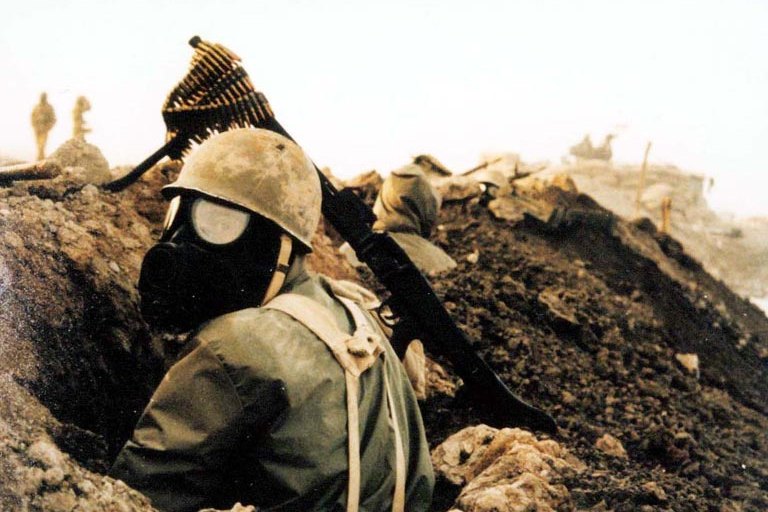
DUBAI, July 31 — The Iran-Iraq War, a protracted and devastating conflict spanning much of the 1980s, left an indelible mark on the Persian Gulf region and global markets. This historical conflict, which began in September 1980, saw both Iran and Iraq engage in a series of attacks on each other’s shipping, particularly oil tankers, turning vital maritime routes into battlegrounds. The hostilities in the Persian Gulf intensified significantly with the onset of the Iran-Iraq War.
From its beginning, the conflict was characterized by what became known as the “tanker war,” with both nations targeting the other’s critical oil transport infrastructure. This aggressive targeting of maritime assets underscored the strategic importance of oil exports to both combatants and the broader global economy.
The conflict escalated further in 1984. At this point, the scope of attacks broadened beyond just the belligerents’ vessels. Both Iran and Iraq began launching attacks on neutral shipping, including tankers that were carrying oil from other countries in the region.
This expansion of targets introduced a new layer of risk for international trade and shipping operations traversing the Persian Gulf.
Escalation and International Response
A significant shift in international involvement occurred in 1987. The United States, which had initially maintained a policy of neutrality regarding the conflict, began to provide military support to Iraq. This support included the deployment of US warships to the region, a move that underscored the growing international concern over the stability of the Persian Gulf and the security of global oil supplies.
The war eventually concluded in August 1988, when a ceasefire was successfully brokered by the United Nations. This agreement brought an end to nearly eight years of intense fighting that had profoundly affected the region and its people.
Economic Ripples for Communities
The economic repercussions of the Iran-Iraq War were far-reaching, impacting not just the immediate combatants but also communities across the region and beyond. Global oil prices experienced a sharp rise during the conflict, increasing by over 50%. Such a significant increase in oil costs would have implications for daily life, affecting everything from transportation to manufacturing expenses for communities.
Closer to home, for families across the region, the security concerns in the Persian Gulf led to a dramatic surge in insurance costs for ships operating there. Some reports indicated that premiums rose by as much as 200% during the conflict.
These elevated costs for maritime transport would inevitably translate into higher prices for imported goods and commodities, impacting the economic well-being and stability of trading nations and their populations. As we reflect on such historical events, the lessons learned about the interconnectedness of conflict, global markets, and the daily lives of people remain pertinent for regional stability and international cooperation.




