
KYIV, July 29 — In response to President Volodymyr Zelensky’s recent warning about increased strike threats, authorities in Kharkiv and Odesa have been ordered to activate additional shelter points and stockpile water and generators. The directive reflects a broader effort to reinforce Ukraine’s civilian defense network, which has been built up since the full-scale invasion began in 2022. Since 2022, Ukrainian cities have developed a distributed system of civilian shelters and air raid warning protocols.
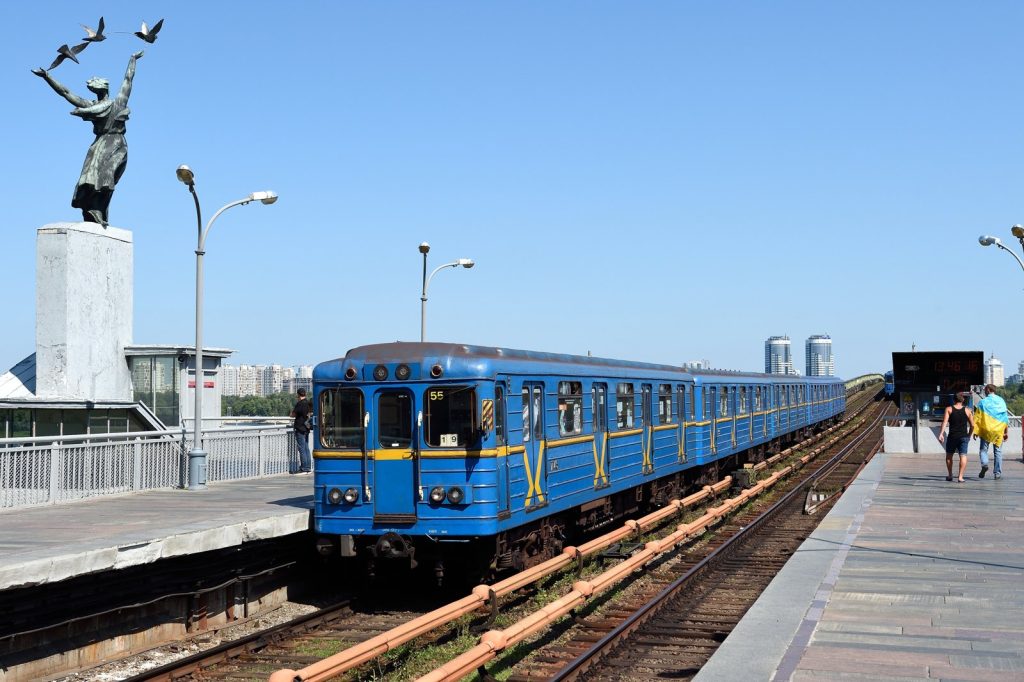
The national public alert system — activated via mobile phone signals and sirens — operates through the Ukrainian State Emergency Service. In Kyiv alone, over 4,500 designated shelters exist, including reinforced basements, underground parking lots, and subway stations.
According to official data, 53 metro stations serve as bomb shelters. That same data shows approximately 65% of urban residents have access to a shelter within 300 meters. Officials confirmed, however, that coverage varies significantly.
Older buildings in Soviet-era neighborhoods often lack reinforced basements, leaving residents in those districts more exposed. Schools frequently have bomb shelters, providing a measure of protection for children and staff during the school day.
The government has distributed over 1 million first-aid kits across the country and launched the app ‘Diia’ for air raid alerts. The app sends real-time warnings directly to users’ phones, complementing the siren network. Civil defense training is mandatory for some public employees, and volunteer groups teach basic first aid and fire safety to civilians who seek additional preparation.
Displacement and Regional Strain
The threat of strikes has driven large-scale internal migration. The United Nations High Commissioner for Refugees estimates that 6.3 million Ukrainians remain internally displaced, often moving to safer western regions. That shift adds pressure on shelter infrastructure in host cities, where capacity is already stretched.
The record shows that the government has prioritized shelter expansion in areas receiving displaced populations, though resource constraints remain. Zelensky’s recent warning prompted authorities in Kharkiv and Odesa to take immediate steps — activating additional shelter points and stockpiling water and generators.
Those regions, both near the front lines or vulnerable to missile strikes, have faced repeated energy disruptions. The threat of strikes also disrupts power supply to hospitals, leading to the installation of backup generators in major medical facilities. According to officials, that work has received support from the WHO and the European Union.
Strategic Context
The civil defense system is a direct response to the pattern of strikes observed since 2022. Ukrainian officials have long argued that the system’s effectiveness depends on both infrastructure and public preparedness. The distributed approach — with thousands of small shelters rather than a few central bunkers — reflects an assessment that no single city can be fully protected.
The reliance on subway stations, reinforced basements, and underground parking lots is a pragmatic adaptation to an urban environment built during the Soviet era. Despite the expansion, the 65% access figure for urban residents within 300 meters highlights persistent gaps.
In Kyiv, older residential districts remain the hardest to serve. The government has not disclosed exact plans for retrofitting those buildings, though it has made incremental improvements through local budgets and international aid. The coming months will test whether the system can withstand intensified strikes.
With winter approaching, the stockpiling of water and generators in regions like Kharkiv and Odesa signals that authorities expect further energy infrastructure attacks. The international support for backup generators in hospitals — channeled through the WHO and the EU — suggests that medical resilience is a priority for both Kyiv and its partners.




