
JERUSALEM, July 28 — On a quiet November afternoon in 2024, drones launched from Yemen and Iraq streaked toward targets across four nations—Israel, Saudi Arabia, Jordan, and Iraq—in what regional security officials later described as one of the widest coordinated salvos of its kind. The attacks, for which Iran-aligned groups claimed responsibility, pierced a period of relative calm that had followed the tit-for-tat strikes between the United States and Iran in April of that year. No casualties were immediately confirmed, but the sheer scale of the operation underscored a growing capability: the ability to hit multiple states simultaneously with drones, exploiting gaps in even advanced air defense systems.
A coordinated wave across borders
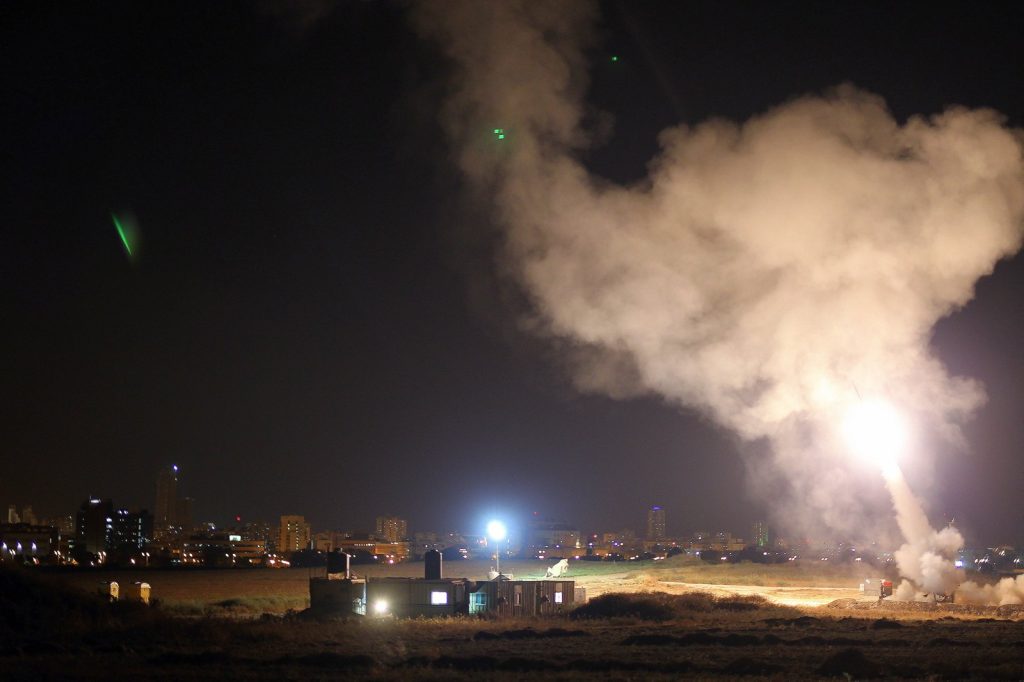
The salvos unfolded on November 2, 2024. Over the Red Sea port of Eilat, Israel’s Iron Dome system intercepted several drones, their fragments falling harmlessly or being tracked by radar. In Saudi Arabia, air defenses activated above Riyadh, the capital, as drones approached. Jordan reported unmanned aircraft over its northern border, forcing security forces to scramble. And near Baghdad International Airport, Iraq saw attacks on its own soil—a reminder that the network of militias stretching from Tehran to the Mediterranean does not always respect national boundaries. The U.S. military stated it was monitoring the situation and coordinating with allies, a posture of watchful readiness that continues to this day.
Human cost and strategic reckoning
For civilians in Eilat, Riyadh, Amman, and Baghdad, the threat was immediate—even if no one was hurt. The use of drones has become a hallmark of asymmetric warfare by Iran-aligned groups, offering a low-cost, high-impact way to probe defenses and test the resolve of regional powers. The attacks came as negotiations for a ceasefire in Gaza remained stalled, and as low-level skirmishes between Israel and Hezbollah along the border carried on. The wider context mattered: the United States had de-escalated its confrontation with Iran after a January 2024 drone attack on Tower 22 in Jordan killed three U.S. soldiers, prompting American airstrikes on Iranian-linked targets in Syria and Iraq. That de-escalation, however, did not halt the proxy campaign.
What comes next
Since that November day, the pattern has not fundamentally changed. The same actors, the same weaponry, the same regional tensions. The event remains a marker: the ability to strike four countries in a single coordinated wave raises the stakes for any future miscalculation. For now, the U.S. administration under President Trump continues to press allies for tighter air defense integration, even as Iran’s proxy network adapts and expands. The question before policymakers—and the families who live in the shadow of these drones—is whether the next salvo will prove less fortunate.




