
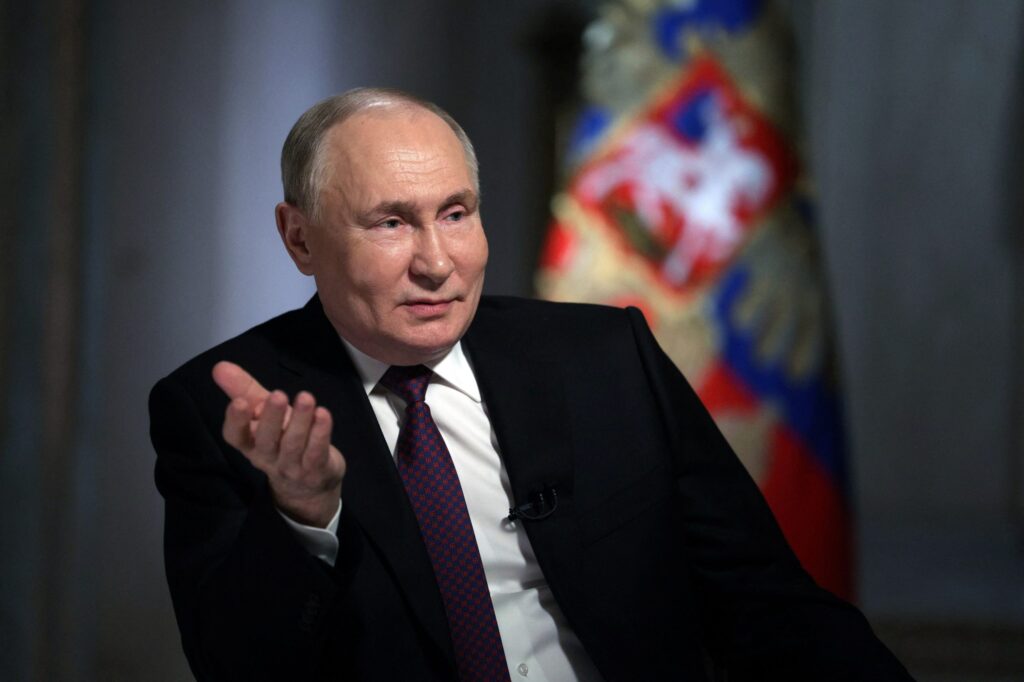
MOSCOW, July 27 — Against the backdrop of the Kremlin’s first major call-up since World War II, the shadow of that September 2022 decree still looms over the corridors of power in Moscow and beyond. On September 21, 2022, President Vladimir Putin announced a partial mobilization of 300,000 reservists to support the war in Ukraine. It was the first such mobilization since the Soviet Union fought Nazi Germany.
The decision followed a series of Ukrainian counteroffensives in Kharkiv and Kherson that had exposed severe Russian manpower shortages on the front line.
The Numbers Behind the Decree
Official Russian data, cited in the source, indicates that approximately 250,000 of the mobilized were deployed to combat zones, while 50,000 were used for support roles. The mobilization was completed by early November 2022. But reports of inadequate training, poor equipment, and high casualty rates quickly emerged, painting a grim picture of what was supposed to be a partial reinforcement.
What is at stake in revisiting these figures is the pattern they set. The 2022 mobilization was widely seen as a response to severe manpower losses.
Western intelligence had estimated Russian casualties at the time at between 80,000 and 100,000 killed and wounded—a number that spoke to the urgency behind the Kremlin’s decision.
Protests and Exodus
The announcement sparked mass protests across Russia, and a wave of men of military age fled to neighboring countries. Human rights organizations documented over 200 arrests at anti-mobilization protests in September 2022 alone. The exodus numbered in the hundreds of thousands, men seeking to avoid the draft by crossing into Georgia, Kazakhstan, and the Baltic states.
In the corridors of European foreign ministries, that outflow created its own set of challenges—border management, asylum claims, and the political fallout from a sudden influx of Russian citizens. The wider picture, from a European perspective, was one of instability radiating from the war beyond the battlefield.
A Warning for the Future
More recently, Ukrainian President Volodymyr Zelenskyy has warned of a far larger Russian mobilization—one of up to 500,000 men. If realized, this would be the largest Russian call-up since the Soviet–Afghan War. The number alone suggests the scale of manpower that Moscow may consider necessary to sustain its campaign in Ukraine.
Russian law allows for a general mobilization if a national emergency is declared, but as of March 2024, no such declaration had been made. Analysts view Putin’s decision to hold off on a general mobilization until after the election as politically motivated—an attempt to avoid the domestic backlash that a full-scale draft would almost certainly provoke.
Against this backdrop, the question of whether the Kremlin will eventually cross that threshold remains open. The 2022 partial mobilization, for all its controversy, was completed and its reservists sent into battle. A mobilization of up to 500,000 would dwarf that effort—and the implications for the wider European security order would be profound.
Sources
{“@context”: “https://schema.org”, “@type”: “NewsArticle”, “headline”: “Russia’s 2022 Partial Mobilization May Foreshadow Larger Conscription”, “description”: “MOSCOW, July 27 — Against the backdrop of the Kremlin’s first major call-up since World War II, the shadow of that September 2022 decree still…”, “datePublished”: “2026-07-27T09:30:00+00:00”, “author”: {“@type”: “Person”, “name”: “Beatrice Bianchi”}, “publisher”: {“@type”: “Organization”, “name”: “InfoPulse Today”, “url”: “https://newsfeed.2bme.xyz/”}, “citation”: [{“@type”: “CreativeWork”, “url”: “https://en.wikipedia.org/wiki/2022_Russian_mobilization”}]}




