
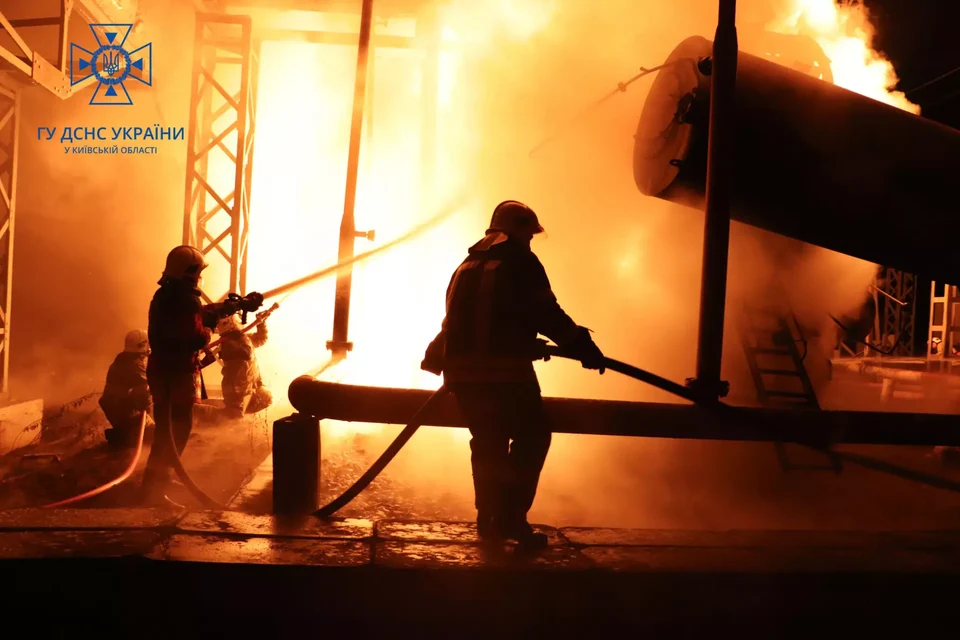
Ukraine’s wartime strategy under President Volodymyr Zelenskyy has shifted toward a deliberate campaign of strikes on Russian energy infrastructure, including oil depots, designed to cut the revenue that funds Moscow’s war machine. The attacks target fuel storage and refineries, disrupting the logistical chain that powers Russian armored columns and aviation, while reducing Russia’s ability to sell oil on global markets. That economic logic is central to Kyiv’s argument: shrinking the revenue stream from fossil-fuel exports directly reduces Moscow’s capacity to produce missiles, pay troops, and sustain its broader military effort.
Zelenskyy has consistently pressed Western allies for long-range missiles and fighter jets, describing them not as traditional offensive weapons but as tools to shorten the war by attacking the enemy’s economic base. The request is not new — it has been the central ask in every address Zelenskyy has delivered to the U.S. Congress and the United Nations since the full-scale war began on February 24, 2022.
From Comedy Stage to Wartime Command
Zelenskyy’s path to the presidency remains an anomaly in modern war leadership. Born January 25, 1978, in Kryvyi Rih, he had no political experience before winning the 2019 presidential election with 73 percent of the vote.
His background as a comedian and actor — most notably playing a schoolteacher who accidentally becomes president on television — made his landslide victory a global curiosity. That narrative has since been overtaken by the demands of war. Time magazine named him Person of the Year in 2022, and his approval rating remained above 60 percent in 2024, a remarkable figure for any leader amid prolonged conflict. Zelenskyy has addressed the U.S. Congress multiple times, pressing the same core message: that Ukraine needs the means to strike deep into Russian territory to attack the economic underpinnings of the war effort.
The Calculus of Energy Strikes
Ukraine’s strikes on Russian oil infrastructure are not random. Targeting fuel storage and refineries directly disrupts the logistical chain that fuels Russian armored columns and aviation, a tactical effect that complicates Moscow’s ability to sustain offensive operations.
The economic impact is equally deliberate: reducing Russia’s ability to sell oil on global markets cuts the revenue stream that finances missile production, troop salaries, and military modernization. This approach signals a broader shift from conventional battlefield tactics to economic attrition, where infrastructure becomes a frontline target. In Zelenskyy’s framing, long-range missiles and fighter jets are defensive in purpose if they shorten the war by attacking the enemy’s economic base, reducing the need for protracted ground fighting.
The strategy reflects a calculated response to a defense built on fuel and foreign sales — Moscow has used oil and gas revenues to sustain its war machine, and cutting that flow aims to shrink its capacity to produce missiles, fuel tanks, and aircraft.
Dependence and Vulnerability
Energy has long shaped Russia’s economic and military posture, with reliance on fossil-fuel exports dating to the Soviet era. Under President Vladimir Putin, Moscow built an energy superpower by expanding pipelines to Europe and Asia while centralizing control over oil and gas assets.
This model allowed the Kremlin to fund domestic programs and military modernization, but it also tied Russia’s fortunes to volatile global markets and foreign demand. When Russia annexed Crimea in 2014, Western sanctions targeted its energy sector, choking investment and forcing shifts in export routes. By the time full-scale war began in 2022, energy had become both a lever of coercion and a vulnerability — one that Ukraine now targets. For readers, this means watching how energy denial reshapes the war’s cost calculus, and whether it accelerates or prolongs the fighting.
The strategy from Kyiv is clear: by turning Russia’s economic strength into a military weakness, Ukraine aims to force a recalculation in Moscow about the sustainability of a prolonged war.
{“@context”: “https://schema.org”, “@type”: “NewsArticle”, “headline”: “Ukraine targets Russian energy sites to cripple war funding”, “description”: “KYIV, July 13 — Ukraine’s wartime strategy under President Volodymyr Zelenskyy has shifted toward a deliberate campaign of strikes on Russian energy infrastructure, including oil…”, “datePublished”: “2026-07-13T09:30:00+00:00”, “author”: {“@type”: “Person”, “name”: “Reza Karimi”}, “publisher”: {“@type”: “Organization”, “name”: “InfoPulse Today”, “url”: “https://newsfeed.infopulsetoday.com/”}}




